The transition signals a shift in strategic direction and personnel within the West Wing as a key architect departs.
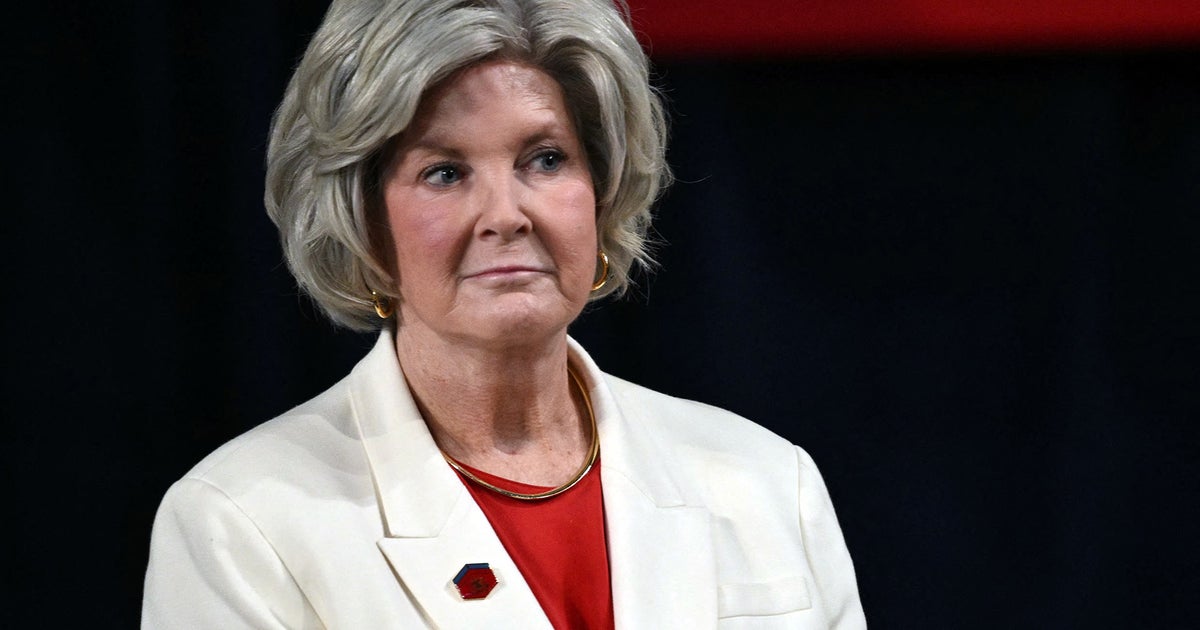
- The Lead: Susie Wiles is out as White House chief of staff, with Stephen Miller set to take over the critical role.
- The Context: This transition marks a change in personnel at a high-stakes level within the executive branch, potentially signaling a shift in operational focus.
- The Impact: The move could reshape internal White House dynamics, influence policy implementation, and affect the administration's public messaging strategy.
- What's Next: Analysts will be closely watching Miller's immediate priorities and how the new leadership structure impacts day-to-day operations and long-term strategy.
In a move that has sent ripples through Washington D.C.'s political corridors, Susie Wiles is reportedly stepping down from her influential position as White House chief of staff. Sources confirm that Stephen Miller is slated to assume the critical role, marking a significant personnel change at the heart of the administration's operations.
This transition, as detailed by Republican strategist and CBS News contributor Terry Sullivan, is more than a simple reshuffling of personnel. It represents a potential inflection point for the administration, raising questions about future strategic direction, policy priorities, and the internal dynamics of the West Wing. The Azeem USA Briefing breaks down what this means.
What We Know So Far: The Wiles Departure and Miller's Ascent
The departure of Susie Wiles from the role of chief of staff signals the end of a significant period of her influence within the executive branch. While specifics surrounding the transition are still emerging, the appointment of Stephen Miller to this pivotal position is being closely scrutinized. Miller, a long-time advisor known for his deep involvement in shaping key policy initiatives, particularly on immigration, steps into a role that requires managing the flow of information, personnel, and strategic decisions to and from the principal.
This change is not occurring in a vacuum. It comes at a time when the administration is navigating complex domestic and international challenges, making the leadership within the West Wing particularly crucial. The chief of staff's ability to effectively coordinate different departments, manage competing priorities, and ensure the president's agenda is executed smoothly is paramount. Miller's established policy focus suggests a potential emphasis on specific ideological objectives.
Miller's Policy Footprint
Stephen Miller has carved out a significant niche as a policy architect, particularly in areas of national security and immigration. His influence has been felt across multiple administrations, and his move to chief of staff suggests a deliberate effort to consolidate and advance specific policy visions from the top operational level.
“The transition from Wiles to Miller represents a potential pivot in the White House's approach to policy and personnel management.”
The Bigger Picture: Navigating the Shifting Sands of the West Wing
The history of White House chiefs of staff is a narrative of power, influence, and often, immense pressure. The role demands a unique blend of political acumen, operational mastery, and the ability to serve as a trusted confidante to the president. Wiles' tenure, like those before her, was characterized by efforts to streamline operations and execute a defined agenda. Her departure and Miller's subsequent appointment are part of this ongoing evolution of White House management.
Understanding this transition requires looking at the broader context of presidential administrations. Chiefs of staff often become central figures in shaping the administration's legacy, acting as the linchpin between the president's vision and the machinery of government. Miller's background suggests a different approach to this role, potentially prioritizing ideological consistency and policy implementation over broader managerial consensus-building.
A Legacy of Influence
Susie Wiles has been a force in Republican politics for years, known for her strategic expertise and deep ties within the party. Her role as chief of staff was seen by many as a stabilizing influence, tasked with translating political objectives into actionable governance. Her exit, and Miller's entry, therefore, carries significant weight in terms of strategic continuity and potential shifts in operational philosophy.
Reactions & Fallout: Voices from the Political Landscape
News of the personnel change has immediately drawn commentary from across the political spectrum. Republican strategists and commentators are dissecting the implications, with some viewing it as a strategic reinforcement of core policy tenets, while others express concerns about potential shifts in approach. The appointment of Stephen Miller is particularly noteworthy given his prominent and often polarizing public profile.
CBS News contributor Terry Sullivan’s insights on "The Daily Report" underscore the significance of this move, highlighting how such changes at the chief of staff level can dramatically alter the internal functioning of the White House. Market watchers and policy experts will be observing how this leadership transition affects the administration’s ability to navigate legislative challenges and manage ongoing crises, potentially impacting investor confidence and public perception.
Political Maneuvering
The timing and nature of staff changes at this level often reflect underlying strategic decisions or responses to evolving political landscapes. The focus now shifts to how Miller will implement his vision and manage the complex web of relationships and responsibilities inherent in the chief of staff position.

Critical Fault Lines: Ideology, Pragmatism, and Power
The transition from Susie Wiles to Stephen Miller highlights a persistent tension within administrations: the balance between ideological purity and pragmatic governance. Wiles, known for her extensive experience in campaign strategy and political operations, may have represented a more pragmatic, execution-focused approach. Miller, conversely, is deeply associated with a specific set of policy ideals, particularly concerning immigration and national sovereignty.
This shift could lead to a West Wing that is more rigidly aligned with a particular ideological framework, potentially creating friction with more moderate factions within the party or the broader political establishment. The chief of staff’s role is to bridge these divides and ensure the president’s agenda is advanced effectively, a task that becomes more challenging when core philosophies diverge significantly. Analysts are debating whether Miller’s deep policy convictions will enhance or hinder the administration’s overall effectiveness.
The Gatekeeper's Role
The chief of staff is the ultimate gatekeeper, controlling access and information flow. Miller's known intensity and focus on specific policy outcomes suggest a potentially more centralized and directive management style, which could streamline decision-making but also risk alienating diverse viewpoints within the administration.
On the Radar: What to Watch in the Coming Weeks
The immediate aftermath of this chief of staff transition will be critical. Observers will be looking for signs of continuity and change in the White House's operational rhythm. Key appointments and directives issued in the initial days of Miller's tenure will provide vital clues about his priorities and management style. The effectiveness of his transition from a policy advisor to the chief operational manager of the West Wing will be under intense scrutiny.
Beyond internal dynamics, the administration’s ability to maintain outward momentum on its agenda will be a key indicator. How Miller navigates relationships with Congress, federal agencies, and international allies, while simultaneously managing the domestic political landscape, will shape perceptions of the administration's stability and direction. This period is often a test of leadership, setting the tone for future policy initiatives and political strategies.
Strategic Signals
The coming weeks will offer a clear view of whether this change represents a subtle adjustment or a significant strategic pivot. The administration’s communication, policy focus, and internal personnel decisions will all serve as signals to allies, adversaries, and the American public.
🎯 The Bottom Line
The Bottom Line: Susie Wiles' departure and Stephen Miller's ascendance to chief of staff is a pivotal moment, signaling a potential shift in the White House's operational and strategic priorities, with implications that will unfold in the coming months.
This briefing has provided a comprehensive look at the immediate implications and broader context of this significant personnel change. We will continue to monitor developments closely and bring you the analysis you need to understand the evolving landscape. Stay informed with The Azeem USA Briefing.
Subscribe to The Azeem USA Briefing for in-depth analysis of the forces shaping America and the world.
📬 Reader Q&A: Key Questions Answered
Q: What is the role of the White House Chief of Staff?
The Chief of Staff is one of the most powerful and influential positions in the White House, responsible for managing the White House staff, overseeing the Executive Office of the President, and advising the President on a wide range of issues. They often act as the gatekeeper to the President and play a crucial role in setting the administration's agenda and operational tempo.
Q: Who is Susie Wiles?
Susie Wiles is a veteran Republican strategist with extensive experience in political campaigns and operations. She has held influential positions within various Republican administrations and campaigns, known for her strategic acumen.
Q: Who is Stephen Miller?
Stephen Miller is a senior advisor who has been a key architect of policy, particularly in the areas of immigration and national security, within recent Republican administrations. He is known for his strong policy convictions and strategic vision.
Q: What does this staff change signify?
A change in Chief of Staff can signify a shift in the President's priorities, management style, or strategic direction. It often reflects a desire to re-energize the administration, implement new policies, or address evolving political challenges.
Q: How might this impact policy?
The Chief of Staff plays a critical role in shaping and executing policy. A change in leadership can lead to a renewed focus on specific policy areas, a different approach to legislative negotiation, or a recalibration of the administration's overall agenda.
Comments
Post a Comment