A surprising bid for Senate Majority Leader signals potential shifts in Democratic Party power dynamics.
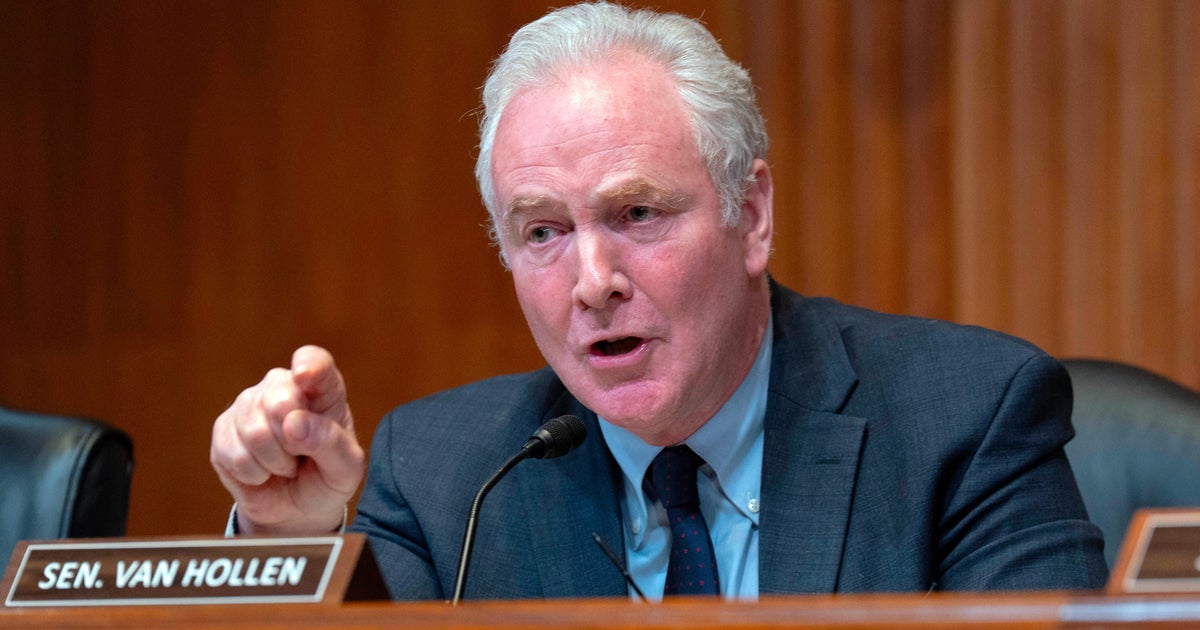
- The Lead: Maryland Senator Chris Van Hollen has officially announced his intention to challenge Chuck Schumer for the position of Senate Majority Leader.
- The Context: This marks an unexpected internal challenge to Schumer's long-standing leadership within the Senate Democratic caucus.
- The Impact: The challenge raises questions about party unity, policy direction, and the internal power structure of the Senate Democrats.
- What's Next: Expect further pronouncements from both senators and increased discussion among Democratic colleagues regarding the leadership race.
In a move that has sent reverberations through Capitol Hill, Senator Chris Van Hollen of Maryland announced Thursday that he will challenge Senator Chuck Schumer for the position of Senate Majority Leader. The announcement, made on a day typically focused on legislative maneuvering and committee work, signals a significant internal contest that could alter the trajectory of Democratic leadership in the Senate.
This unexpected bid introduces a dynamic element into the often-staid process of party leadership selection. It raises immediate questions about the internal cohesion of the Senate Democratic caucus, the policy priorities that may be at stake, and the underlying currents driving this challenge to one of Washington's most prominent political figures. This briefing will break down what we know so far, the context surrounding this development, and what it could mean for the future.
The Surprise Announcement: Van Hollen's Bid Unveiled
Senator Chris Van Hollen, a respected figure known for his work on economic policy and his role in various Senate committees, formally declared his intention to seek the leadership position held by Chuck Schumer. The announcement came via a statement released Thursday, catching many by surprise and immediately sparking discussion among political observers and within the Democratic Party itself. Van Hollen's campaign for leadership is expected to focus on themes of renewal and strategic recalibration within the caucus.
While details of Van Hollen's platform are still emerging, the act of challenging an incumbent leader, particularly one as established as Schumer, is a significant political maneuver. It suggests Van Hollen believes there is an appetite for a different approach to leading the Senate Democrats, potentially emphasizing new strategies for legislative wins or a different vision for engaging with the opposition and the public.
Initial Reactions and Scrutiny
The immediate aftermath of the announcement saw a flurry of activity, with aides to both senators and other Democratic lawmakers beginning to assess the implications. Analysts are closely watching for any early endorsements or statements of support for either candidate, which could provide an early indication of the challenge's viability.
“The challenge to an incumbent leader, especially one as established as Schumer, is a rare and potent indicator of internal party dynamics and potential shifts in strategic focus.”
Schumer's Reign: A Look at the Current Leader's Tenure
Senator Chuck Schumer, a veteran lawmaker from New York, has been the top Democrat in the Senate since 2017. His leadership has been marked by significant legislative battles, including navigating the Trump presidency, the passage of key Biden administration priorities like the Inflation Reduction Act, and managing narrow Democratic majorities. He is widely regarded as a skilled negotiator and a formidable strategist within the chamber.
Schumer has overseen the Senate Democrats through several critical periods, often characterized by intense partisan division. His ability to maintain caucus unity, despite diverse ideological viewpoints within the party, has been a hallmark of his leadership. His tenure has also seen the Democrats achieve notable legislative victories, though they have also faced significant setbacks.
The Incumbent's Position
As the sitting Majority Leader, Schumer holds a powerful position with established relationships and a deep understanding of Senate procedural intricacies. His supporters point to his track record of legislative achievements and his effectiveness in mobilizing the caucus as reasons for his continued leadership.
Why Now? Unpacking the Motivations Behind the Challenge
The timing of Senator Van Hollen's challenge is particularly noteworthy. Leadership contests within a party caucus are often triggered by significant electoral defeats or a perceived lack of progress. However, Van Hollen's move comes at a moment when Democrats are grappling with upcoming elections and the ongoing legislative agenda, suggesting a belief that a change in leadership is necessary to better achieve party goals or to prepare for future challenges.
Possible motivations for the challenge could include a desire for a different strategic approach to legislative negotiations, a belief that the current leadership is not adequately addressing specific constituent concerns, or a forward-looking assessment of the party's electoral prospects under current leadership. Some observers suggest it could also stem from differing views on how to best counter Republican opposition or how to frame the Democratic message to the electorate.
Internal Party Dynamics
This challenge may also reflect broader discussions occurring within the Democratic Party about its identity, its policy platform, and its electoral strategy. Such internal debates are natural in any large political coalition, and a leadership challenge can serve as a focal point for these discussions, forcing a re-evaluation of priorities and approaches.

The Stakes: What This Means for Senate Democrats and Policy
The outcome of this leadership contest carries significant weight for the future direction of the Senate Democrats. A successful challenge by Van Hollen could lead to a shift in legislative priorities, negotiation tactics, and the overall messaging strategy of the party. It could also impact key policy debates, from economic legislation to social issues, depending on the specific platforms each candidate champions.
Furthermore, a contested leadership race can either galvanize or divide a caucus. If Van Hollen's challenge gains traction, it could force a broader conversation about the party's direction, potentially leading to a more unified front or, conversely, exposing deeper fissures within the party. The dynamics of this race will be closely watched by Republicans, the White House, and the broader political landscape.
Impact on Legislative Agenda
The immediate impact on the current legislative agenda is uncertain, but a drawn-out or contentious leadership race could distract from pressing policy matters. Conversely, it might invigorate lawmakers to more clearly articulate their positions and rally support around specific visions for the party.
Looking Ahead: The Path Forward for the Leadership Race
The coming days and weeks will be crucial for Senator Van Hollen's challenge. He will need to build support within the Senate Democratic caucus, articulating a compelling vision that persuades his colleagues to shift their allegiance from the incumbent leader. Senator Schumer, in turn, will likely mobilize his allies and highlight his record and experience.
The internal election process for Senate leadership can be complex, involving private meetings, discussions, and ultimately a vote by the caucus members. The pace and transparency of this process will be key indicators of the party's internal health. Observers will be paying close attention to any public statements or endorsements from influential Democratic senators, which could signal the momentum of the race.
Key Milestones to Watch
Key milestones will include the scheduling of any formal leadership votes, the emergence of detailed policy platforms from both candidates, and the degree of public support or opposition expressed by various factions within the Democratic Party. The ability of either candidate to unify the caucus will be paramount to their success.
🎯 The Bottom Line
The Bottom Line: Senator Van Hollen's challenge to Senator Schumer for Senate Majority Leader represents a significant internal Democratic power play. While Schumer is the established incumbent, this contest forces a critical conversation about the party's future direction, strategy, and leadership. The outcome will have tangible effects on how Senate Democrats operate and legislate moving forward.
As this internal race unfolds, The Azeem USA Briefing will continue to provide in-depth analysis and factual reporting. Stay tuned for further updates on this developing story and its implications for Washington and beyond.
Subscribe to The Azeem USA Briefing for daily insights into the stories shaping America.
📬 Reader Q&A: Key Questions Answered
Q: Who is Chris Van Hollen?
Chris Van Hollen is a Democratic Senator from Maryland, currently serving his second term. He is known for his work on economic policy and fiscal matters.
Q: Who is Chuck Schumer?
Chuck Schumer is the current Senate Majority Leader and a Democratic Senator from New York. He has held the top leadership position within the Senate Democratic caucus since 2017.
Q: When are Senate leadership elections typically held?
Internal leadership elections for Senate caucuses usually occur after major elections, such as congressional midterms, to reflect the party's composition and elect new leaders if necessary.
Q: What are the potential implications of this challenge?
This challenge could lead to shifts in policy priorities, negotiation strategies, and the overall messaging of the Senate Democratic Party. It also signifies a moment of internal debate about the party's direction.
Q: Is this type of challenge common?
While not unheard of, challenging a sitting Senate Majority Leader is a significant event, indicating potential internal disagreements or a desire for a change in strategic direction within the caucus.
Comments
Post a Comment