International inspectors are 'increasingly concerned' about access to a critical Iranian nuclear facility, raising fresh alarms over Tehran's atomic program.
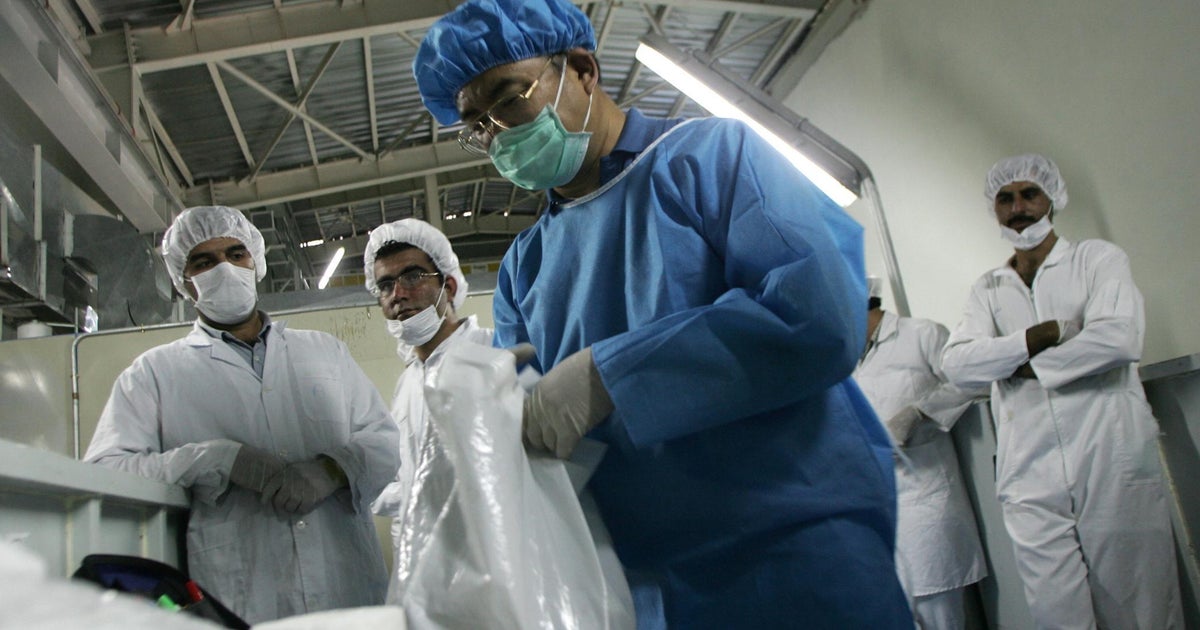
- The Lead: The UN's International Atomic Energy Agency (IAEA) is reportedly seeking enhanced access to a key Iranian uranium facility.
- The Context: This push comes amidst broader international concerns about the transparency and nature of Iran's nuclear program.
- The Impact: Restricted access could further complicate diplomatic efforts and increase global unease over potential nuclear proliferation.
- What's Next: Watch for official statements from the IAEA and Iran, and potential diplomatic maneuvers in response to the access request.
In a move amplifying global anxieties over Iran's nuclear program, the United Nations' top nuclear watchdog is reportedly intensifying its efforts to gain access to a critical uranium enrichment facility within the Islamic Republic. A leaked report indicates that the International Atomic Energy Agency (IAEA) has expressed "increasing concern" over its ability to conduct thorough inspections, raising the stakes in a long-simmering international standoff.
This development arrives at a particularly sensitive geopolitical moment, with regional tensions high and diplomatic channels appearing increasingly strained. The IAEA's mandate is to ensure that nuclear materials are not diverted for military purposes, and its access to key sites is fundamental to that mission. This briefing delves into the latest demands, the historical context, and the potential fallout from Iran's continued opacity.
What We Know: IAEA's Urgent Demand for Access
Sources indicate that the IAEA has formally requested enhanced access to a specific uranium enrichment site in Iran, a facility deemed crucial for monitoring the nation's nuclear activities. The agency's apprehension, detailed in a confidential report, stems from what inspectors perceive as insufficient transparency and potential limitations placed on their verification processes. This is not the first instance of friction between Iran and the IAEA, but the reported "increasing concern" suggests a potentially heightened level of urgency and frustration from the international body.
The exact nature of the facility and the specific limitations cited remain subjects of ongoing reporting, but the core issue revolves around the IAEA's ability to conduct unhindered inspections and collect necessary data. Without unimpeded access, the agency's capacity to provide credible assurances about the peaceful nature of Iran's nuclear program is significantly diminished. This situation places considerable pressure on Tehran to comply with international protocols.
The Agency's Mandate and Reporting Channels
The IAEA operates under a global mandate to promote the peaceful uses of nuclear energy and to prevent the spread of nuclear weapons. Its inspectors are tasked with verifying that states are not diverting nuclear material from peaceful uses to weapons programs. Reports like the one detailing concerns over access are typically shared with member states, providing a factual basis for diplomatic discussions and potential actions.
“The IAEA's 'increasing concern' over access to a key facility signals a critical juncture in monitoring Iran's nuclear trajectory.”
The Historical Backdrop: Decades of Nuclear Scrutiny
Iran's nuclear program has been a subject of international scrutiny for over two decades. The country has consistently maintained that its program is for peaceful energy purposes, while Western powers and regional rivals have harbored suspicions about potential military dimensions, particularly regarding uranium enrichment capabilities. The Joint Comprehensive Plan of Action (JCPOA), or Iran nuclear deal, negotiated in 2015, aimed to curb these concerns by imposing strict limits on Iran's nuclear activities in exchange for sanctions relief.
However, the U.S. withdrawal from the JCPOA in 2018 and the subsequent re-imposition of sanctions significantly altered the landscape. Iran subsequently began to exceed many of the deal's limitations, further fueling international distrust. The current impasse over IAEA access is a continuation of this long-standing tension, representing a critical chapter in the ongoing debate over Iran's atomic future and its adherence to international oversight.
Precedent for Inspection Disputes
Disputes over access to nuclear facilities are not unprecedented in the history of nuclear non-proliferation. Throughout the years, various nations have faced scrutiny and engaged in complex negotiations with the IAEA regarding inspection protocols and site access. These historical precedents highlight the delicate balance between a nation's sovereign rights and the international community's need for verifiable assurance that nuclear programs remain peaceful.
Global Reactions: Diplomatic Maneuvers and Market Jitters
The IAEA's concerns are likely to reverberate across diplomatic capitals, potentially triggering renewed calls for international pressure on Iran. Western allies, including the United States and European signatories to the original JCPOA, will be closely monitoring the situation. Their responses could range from heightened diplomatic engagement to potential escalations in rhetoric or action, depending on Iran's ultimate compliance. Regional powers, particularly Israel and Saudi Arabia, will also view this development with significant concern, as Iran's nuclear capabilities are a major factor in regional security dynamics.
On the economic front, increased uncertainty surrounding Iran's nuclear program can lead to volatility in global energy markets. Any perception of escalating tensions or a breakdown in oversight could impact oil prices and investor confidence. The possibility of renewed or intensified sanctions, or conversely, the potential for a diplomatic breakthrough, are factors that market participants will be closely watching.
Statements from Key Stakeholders
Official statements from the IAEA, Iran's government, and major world powers will be crucial in understanding the immediate diplomatic trajectory. Analysts will be dissecting the language used, looking for signs of flexibility, defiance, or compromise. The United States, in particular, given its past involvement in the JCPOA negotiations and its current stance on Iran, will be a key player in shaping the international response.

Navigating the Risks: Transparency vs. National Sovereignty
At the heart of this issue lies a fundamental tension between the international community's demand for transparency and a nation's assertion of sovereign rights. Iran has often cited its national sovereignty and security concerns when restricting access or information to international inspectors. However, the IAEA's protocols are designed to provide the necessary assurances to prevent the global spread of nuclear weapons, a goal that requires a degree of openness from all member states.
The risks of continued opacity are substantial. If Iran is perceived to be hiding its nuclear activities, it could lead to a breakdown of trust, increase regional instability, and potentially trigger a nuclear arms race in the Middle East. Conversely, excessive external pressure or perceived infringement on national sovereignty could harden Iran's stance and push it further away from international cooperation. Finding a balance that upholds non-proliferation goals while respecting national interests remains a significant diplomatic challenge.
The Challenge of Verification
The technical challenges of verifying a nation's nuclear program are immense. The IAEA relies on a combination of declared facilities, unannounced inspections, and sophisticated monitoring equipment. When access to key sites or materials is restricted, the agency's ability to conduct comprehensive verification is compromised, leaving room for doubt and suspicion about the true nature of the program.
Looking Ahead: Crucial Milestones to Monitor
The immediate future will likely be shaped by Iran's response to the IAEA's demands and the subsequent reactions from the international community. Key milestones to watch include official statements from Iran regarding the access request, further reports from the IAEA detailing any progress or lack thereof, and any coordinated diplomatic actions by the P5+1 (or its successor framework) or other concerned nations. The effectiveness of these diplomatic efforts will be a critical indicator of whether the situation de-escalates or intensifies.
Furthermore, any shifts in Iran's enrichment levels or the quantity of enriched uranium it possesses will be closely scrutinized by international observers. The ongoing developments surrounding this key site access issue will undoubtedly play a significant role in shaping the broader geopolitical landscape and the future of nuclear non-proliferation efforts in the Middle East. The world watches to see if transparency can prevail over suspicion.
Potential Diplomatic Pathways
Several diplomatic pathways could emerge, ranging from direct bilateral negotiations between Iran and the IAEA, to multilateral discussions involving key international powers, or even a formal referral to the UN Security Council if non-compliance is deemed significant. The chosen path will depend heavily on the willingness of all parties to engage constructively and the perceived urgency of the situation.
🎯 The Bottom Line
The bottom line is that the IAEA's demand for access to a key Iranian nuclear site represents a critical test of international oversight and Iran's commitment to transparency. The agency's "increasing concern" is a stark signal that the window for verifiable assurances may be narrowing, with significant implications for global security and non-proliferation efforts. How Iran and the international community navigate this challenge will define the next chapter in the complex saga of Iran's nuclear program.
We will continue to monitor these developments closely and provide you with the most critical updates. Stay informed with The Azeem USA Briefing.
Subscribe to The Azeem USA Briefing for daily insights into the stories shaping our world.
📬 Reader Q&A: Key Questions Answered
Q: What is the primary role of the IAEA?
The International Atomic Energy Agency (IAEA) is the UN's center for cooperation in the field of nuclear science and technology, with the mandate to promote the peaceful use of nuclear energy and to inhibit its use for any military purpose, including nuclear weapons.
Q: What is uranium enrichment?
Uranium enrichment is a process used to increase the concentration of fissile isotopes of uranium, primarily U-235, which is essential for nuclear reactors and, if done to a higher degree, for nuclear weapons.
Q: What was the JCPOA?
The Joint Comprehensive Plan of Action (JCPOA) was a multilateral agreement signed in 2015 between Iran and world powers (P5+1) that aimed to limit Iran's nuclear program in exchange for sanctions relief. The U.S. withdrew from the deal in 2018.
Q: Why is access to nuclear sites important?
Access for international inspectors is crucial for verifying that a country's nuclear program is exclusively for peaceful purposes and that no nuclear material is being diverted for weapons development. It provides essential transparency and builds international confidence.
Q: What are the potential consequences of Iran denying access?
Denial of access can lead to increased international suspicion, potential referral to the UN Security Council, further sanctions, heightened regional tensions, and a breakdown of diplomatic efforts aimed at curbing Iran's nuclear capabilities.
Comments
Post a Comment