A high-stakes meeting in Beijing underscores evolving geopolitical dynamics as leaders convene for a critical summit.
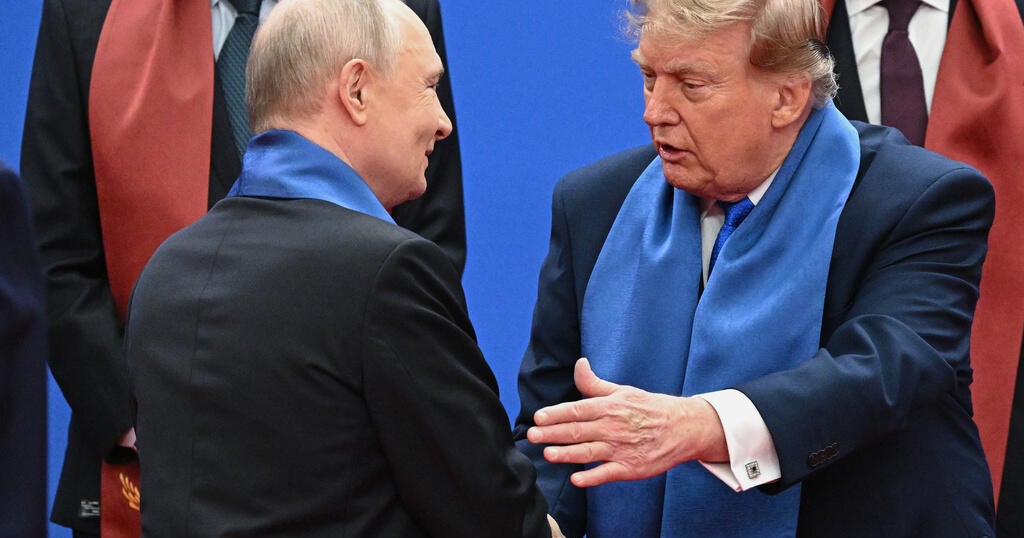
- The Lead: President Trump, Chinese President Xi Jinping, and Russian President Vladimir Putin are scheduled for a trilateral meeting in China.
- The Context: The summit occurs amidst complex international relations, including trade disputes and ongoing global security challenges.
- The Impact: The discussions could influence global trade, security pacts, and the balance of power between major world economies.
- What's Next: Analysts will closely scrutinize post-summit statements and diplomatic actions for signs of new alignments or agreements.
In the heart of Beijing, a high-stakes diplomatic drama is set to unfold as President Donald Trump of the United States, Chinese President Xi Jinping, and Russian President Vladimir Putin prepare for a rare face-to-face meeting. The summit, taking place against the backdrop of a major international economic forum, brings together leaders of three global powers whose relationships are characterized by both cooperation and intense rivalry.
This convergence marks a pivotal moment in international relations, offering a unique window into the evolving global order. The discussions are expected to touch upon a wide array of critical issues, from trade imbalances and economic policy to regional security and the future of international alliances. Our briefing today dissects what this meeting means, how we arrived at this juncture, and what the immediate and long-term consequences might be.
What We Know So Far: The Beijing Summit Unfolds
The highly anticipated trilateral meeting between Presidents Trump, Xi, and Putin is slated to occur in China, though specific details regarding the agenda and format remain closely guarded. Sources indicate that the discussions will likely center on shared economic interests, global security challenges, and the complex web of bilateral relationships each leader maintains. The gathering is particularly significant given the current geopolitical climate, marked by trade tensions between the U.S. and China, and Russia's assertive foreign policy.
This marks one of the few instances where these three prominent figures will engage in direct, multilateral dialogue. The proximity of the meeting to ongoing international economic discussions suggests an effort to address broad global economic governance and stability. Observers are keenly awaiting any public statements or joint communiqués that might emerge, seeking clues about potential shifts in strategic alignment or areas of cooperation.
Immediate Focus on Economic and Security Agendas
The immediate focus is anticipated to be on economic cooperation and shared security concerns, though the depth of engagement on these sensitive topics is yet to be determined. The White House has indicated a desire to discuss trade, while Beijing and Moscow may seek to address broader geopolitical strategies.
“The confluence of these three leaders in Beijing is a potent symbol of the complex, multi-polar world order currently taking shape.”
Geopolitical Chessboard: The Path to This Meeting
The road to this trilateral summit has been paved by a series of complex international developments. For years, the United States has navigated a delicate balance with both China and Russia, characterized by competition, occasional cooperation, and periods of significant strain. President Trump's "America First" approach has reshaped U.S. foreign policy, leading to trade disputes with China and heightened tensions with Russia over various geopolitical issues.
Meanwhile, China and Russia have deepened their strategic partnership, often presenting a united front on issues that challenge Western influence. This meeting, therefore, is not an isolated event but a snapshot of a broader realignment occurring on the global stage. It reflects the increasing multipolarity of international power dynamics, where traditional alliances are being tested and new configurations are emerging.
A History of Shifting Alliances
The current dynamic is a product of evolving global power structures, including economic shifts and technological advancements, which have created new areas of both friction and potential collaboration between these major powers.
Global Reactions: Initial Responses and Market Signals
The announcement of the summit has already generated a flurry of reactions from global capitals and financial markets. Allies and adversaries alike are closely monitoring the proceedings, seeking to understand the implications for regional stability and international trade agreements. Analysts suggest that any indication of coordinated policy between the U.S., China, and Russia, even on specific issues, could send ripples through global markets, influencing currency valuations, commodity prices, and investment flows.
Political observers are parsing statements from various governments and international organizations for early assessments. The European Union, for instance, will be particularly interested in any discussions that could affect transatlantic relations or the future of global trade frameworks. Meanwhile, emerging economies will be watching for signals that might impact their own development and integration into the global economic system.
Market Volatility and Diplomatic Signaling
Financial markets are expected to remain sensitive to any news emerging from the summit, with investors seeking clarity on trade policies and geopolitical stability.

The Stakes Involved: Competing Interests and Risks
The potential outcomes of this summit are vast, carrying significant risks and opportunities for all parties involved. For President Trump, the meeting presents a chance to demonstrate diplomatic prowess and potentially broker deals on trade or security, aligning with his "deal-making" persona. However, it also carries the risk of being perceived as undermining existing alliances or emboldening geopolitical rivals if agreements are not strategically sound.
For President Xi, the summit offers an opportunity to solidify China's growing global influence and project an image of leadership in global governance, particularly as the U.S. navigates complex trade relations with Beijing. President Putin, likewise, seeks to leverage the meeting to reinforce Russia's position on the world stage and counter Western pressure. The core tension lies in balancing national interests with the need for global cooperation, a delicate act that could either de-escalate tensions or inadvertently heighten them.
Navigating a Complex Multipolar World
The fundamental challenge is managing the competing agendas of these major powers within a framework that promotes global stability rather than exacerbating existing conflicts.
Looking Ahead: Key Milestones and Future Scenarios
The true impact of the Beijing summit will become clearer in the days and weeks following the leaders' departure. Key milestones to watch include any joint statements, bilateral meetings that may occur on the sidelines, and subsequent policy shifts announced by each nation. Analysts will be dissecting the language used, the agreements reached (or not reached), and the overall tone of the interactions for insights into future diplomatic and economic strategies.
Several scenarios could emerge: a deepening of strategic cooperation on specific issues, a reinforcement of existing rivalries with clearer lines drawn, or simply a continuation of the status quo with minimal tangible outcomes. The long-term implications will hinge on whether this meeting fosters genuine dialogue and compromise or serves primarily as a platform for asserting national interests. The global community will be observing closely for signs of a more stable, cooperative international order or a further fragmentation of global governance.
Post-Summit Analysis and Policy Shifts
The period immediately following the summit will be crucial for understanding whether new diplomatic pathways have been forged or if existing geopolitical fault lines have been further entrenched.
🎯 The Bottom Line
The Bottom Line: The meeting between Presidents Trump, Xi, and Putin in Beijing is a significant diplomatic event that underscores the complex, evolving nature of global power dynamics. While the immediate outcomes remain uncertain, the summit presents a critical opportunity for dialogue on pressing global issues, with the potential to shape international relations for years to come.
As always, The Azeem USA Briefing will continue to monitor these developments closely, providing you with the in-depth analysis you need to understand the forces shaping our world. Thank you for joining us.
Stay informed with The Azeem USA Briefing: Subscribe today for daily insights.
📬 Reader Q&A: Key Questions Answered
Q: What is the primary significance of this Trump-Xi-Putin meeting?
This meeting is significant because it brings together leaders of three major global powers for a rare trilateral discussion, offering a unique opportunity to address complex international issues and potentially signal shifts in geopolitical alignments.
Q: What are the main issues likely to be discussed?
Discussions are expected to cover global economic stability, trade relations, international security, and regional geopolitical challenges, though specific agendas are closely held.
Q: How might this meeting impact global markets?
Markets are sensitive to geopolitical developments. Any indications of new trade agreements, strategic alignments, or escalating tensions could lead to volatility in currency, commodity, and equity markets.
Q: What is the historical context for such a meeting?
While bilateral meetings between these leaders are common, trilateral summits of this nature are exceptionally rare, reflecting a complex and evolving global power structure.
Q: Where can I find more information on this story?
For continuous updates and detailed reporting, please refer to established news organizations and official government sources.
Comments
Post a Comment