A first-of-its-kind meeting between the leaders of the world's three most powerful nations could reshape global security and arms control.
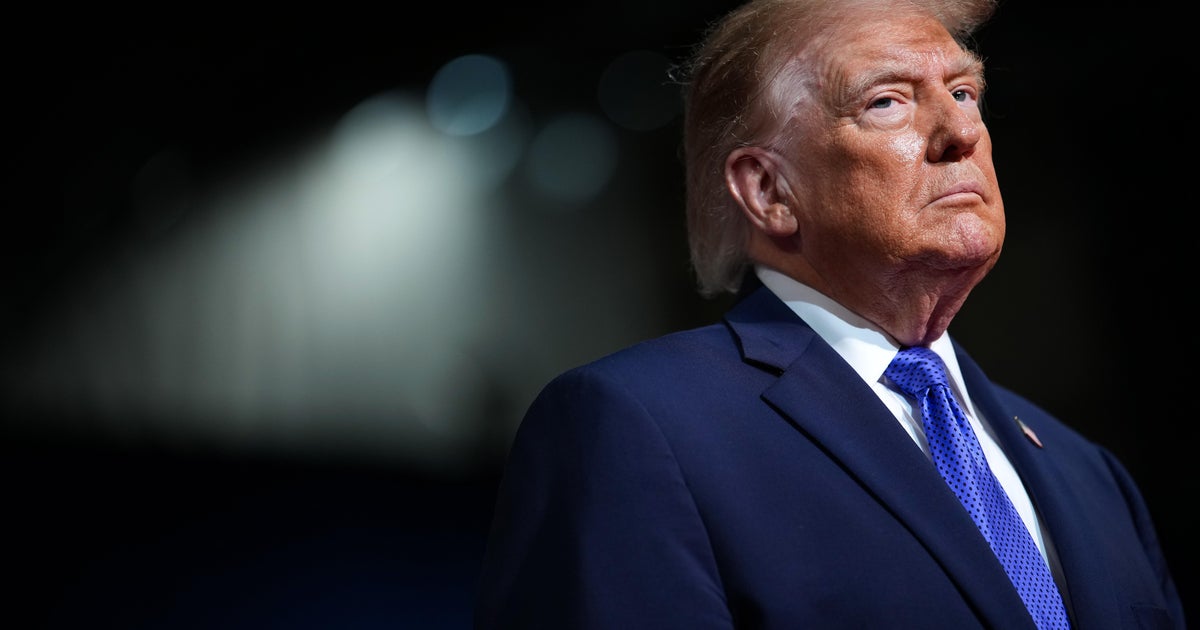
- The Lead: President Trump is reportedly seeking a historic trilateral meeting with Russian President Vladimir Putin and Chinese President Xi Jinping.
- The Context: The proposed summit, if realized, would be the first formal gathering of these three leaders, aiming to discuss nuclear arsenal reduction.
- The Impact: Such a meeting could dramatically alter the global geopolitical landscape, particularly concerning arms control and international security dialogues.
- What's Next: Watch for official confirmations, potential venue announcements, and the specific agenda items to be ironed out by the respective administrations.
In a move that could redefine the global security architecture, President Donald Trump is reportedly pursuing a landmark, first-ever trilateral summit with Russian President Vladimir Putin and Chinese President Xi Jinping. The centerpiece of these discussions, according to initial reports, would be the pressing issue of nuclear arsenal reduction.
This potential meeting, a diplomatic undertaking of immense scale and consequence, brings together the leaders of three nations that wield significant influence over international affairs and possess the vast majority of the world's nuclear weapons. The Azeem USA Briefing is dissecting the implications of this unprecedented diplomatic gambit, exploring what it means for global stability, arms control, and the future of international relations.
The Historic Proposition: What We Know So Far
The core of the emerging story centers on President Trump's initiative to convene a formal meeting with his Russian and Chinese counterparts. While details remain fluid and official confirmation is pending from all involved parties, the reported intent is to engage in direct dialogue on one of the most critical issues of our time: the proliferation and reduction of nuclear weapons. This proposed summit would break significant diplomatic ground, moving beyond bilateral engagements to a multilateral format involving the leaders of three permanent members of the UN Security Council and major global powers.
The reported focus on nuclear arsenals suggests a desire to re-examine existing arms control treaties and potentially chart a new course for strategic stability. For President Trump, this could represent a signature foreign policy achievement, aiming to leverage his transactional approach to diplomacy on a global scale. However, the complexities of coordinating such a meeting, given the current geopolitical tensions and strategic competition between the U.S., Russia, and China, are considerable.
A Delicate Balancing Act
The White House's diplomatic corps is reportedly working to iron out the specifics, including the agenda and logistical arrangements. The success of such a summit hinges on finding common ground among nations with often divergent strategic interests and security perceptions.
“A direct dialogue between the leaders of the United States, Russia, and China on nuclear arsenals could mark a pivotal moment in global security, either fostering unprecedented cooperation or highlighting deep-seated strategic divides.”
Forging a New Triad: How We Got Here
The path to this potential trilateral summit is paved with decades of evolving U.S.-Russia and U.S.-China relations, as well as the intricate interplay between Moscow and Beijing. Historically, arms control has been a primary avenue for managing the strategic competition between the United States and Russia, dating back to the Cold War era. Treaties like START and INF have sought to limit nuclear arsenals, though their efficacy and continuation have faced significant challenges in recent years.
China's role in nuclear arms control has also evolved. While historically possessing a smaller arsenal, Beijing has been engaged in a significant military modernization program, including its nuclear capabilities. Previous arms control frameworks have largely excluded China, making any discussion involving all three nations a departure from established norms. President Trump's administration has previously expressed a desire to broaden arms control talks to include China, a stance that has been met with cautious interest and skepticism from Beijing.
Shifting Global Dynamics
The current global landscape, marked by renewed great power competition, underscores the urgency and potential significance of such a meeting. The rise of China as a global power, coupled with Russia's assertive foreign policy, has created a complex geopolitical environment where direct leader-to-leader communication could be crucial for de-escalation and stability.
Global Reactions and Diplomatic Fallout
News of the potential trilateral summit has already begun to ripple through international diplomatic circles. Allies and adversaries alike will be closely watching for official confirmation and the substance of the agenda. For U.S. allies, particularly in Europe and Asia, the implications for regional security and existing alliances could be profound. The prospect of a U.S.-Russia-China agreement on nuclear issues, especially if it bypasses or significantly alters existing frameworks, could create uncertainty and necessitate strategic adjustments.
Market reactions, while not yet fully materialized given the preliminary nature of the reports, could also be significant. Any indication of progress on nuclear disarmament or de-escalation of geopolitical tensions would likely be viewed positively by global financial markets. Conversely, signs of deeper divisions or a breakdown in talks could introduce new levels of volatility. Key institutions such as the United Nations and various non-proliferation bodies will also be assessing the potential impact on their mandates and ongoing efforts.
Official Statements and Scrutiny
While official statements from Washington, Moscow, and Beijing are expected to be carefully calibrated, the intense scrutiny from global media and policy analysts will be immediate and pervasive. The administration's diplomatic strategy and the potential for genuine breakthroughs will be the subject of intense debate.

Fault Lines: Navigating Competing Interests and Risks
The primary challenge in organizing and conducting such a summit lies in the deeply entrenched and often conflicting interests of the three nations. The United States views Russia and China as strategic competitors, with significant disagreements on issues ranging from cyber security and election interference to territorial disputes and human rights. Russia and China, while often finding common cause in challenging U.S. global leadership, also have their own distinct strategic objectives and a complex bilateral relationship.
On the nuclear front, the divergences are particularly stark. The U.S. seeks broad reductions and greater transparency, while Russia and China have expressed concerns about U.S. missile defense systems and the modernization of U.S. nuclear forces. China, in particular, has resisted previous calls to join arms control talks, arguing its arsenal is defensive and significantly smaller than those of the U.S. and Russia. Any agreement would require navigating these deeply rooted strategic anxieties and perceptions of threat.
The Risk of Amplified Tensions
Beyond the direct negotiations, there is a significant risk that a high-profile summit could inadvertently amplify existing tensions if talks stall or if public statements are perceived as confrontational. The delicate balance of deterrence and strategic stability could be disrupted if perceptions of trust or intent are mismanaged, underscoring the need for meticulous diplomatic preparation and execution.
On the Radar: The Road Ahead
The immediate future will be dominated by the process of formalizing this summit. Observers will be looking for official announcements from the White House, the Kremlin, and Zhongnanhai, which will likely include details on the timing, location, and specific agenda items. The degree of preparatory work undertaken by diplomatic and national security teams will be a key indicator of the potential for substantive outcomes.
Beyond the summit itself, the real work will involve the follow-through. Any agreements or understandings reached would need to be translated into concrete policy changes and, where applicable, new treaty frameworks. The reactions of other nuclear-armed states and the broader international community will also shape the long-term impact of these discussions. This proposed meeting is not merely an event, but a potential catalyst for a new era of strategic dialogue or a stark illustration of the challenges in managing global security in the 21st century.
Key Milestones to Watch
Pay close attention to any joint statements, the details of any proposed verification mechanisms for nuclear reductions, and the broader geopolitical alignment that emerges in the weeks and months following any potential meeting.
🎯 The Bottom Line
The Bottom Line: A trilateral summit between Trump, Putin, and Xi Jinping on nuclear arsenals is an ambitious diplomatic undertaking with the potential for significant global impact. While the prospect of progress on arms control is a compelling draw, the deep-seated strategic competition and divergent interests among these three powers present formidable obstacles. Success would hinge on finding unexpected common ground and a shared commitment to de-escalation.
This is a developing story with profound implications for international security. The Azeem USA Briefing will continue to provide in-depth analysis as this historic diplomatic initiative unfolds.
Subscribe to The Azeem USA Briefing for daily insights into the stories shaping our world.
📬 Reader Q&A: Key Questions Answered
Q: Has a trilateral summit of this nature happened before?
No, this would be the first formal meeting between the leaders of the United States, Russia, and China at the presidential level to discuss such strategic issues.
Q: What specific nuclear arsenals would be discussed?
Reports indicate the focus would be on reducing nuclear arsenals broadly, likely encompassing strategic nuclear weapons held by each nation. Specific details would need to be negotiated.
Q: What is the current state of U.S.-Russia and U.S.-China nuclear arms control?
The U.S. has existing bilateral arms control agreements with Russia, though some have faced challenges. China has historically not been part of major multilateral nuclear arms control treaties, though dialogue has been increasing.
Q: What are the main obstacles to such a summit's success?
Key obstacles include deep-seated strategic competition, differing national security interests, mutual distrust, and the complex geopolitical landscape, particularly regarding China's growing nuclear capabilities.
Q: How might this summit impact global alliances?
Allies of the U.S. would likely be observing closely, potentially reassessing their own security postures depending on the outcomes and any shifts in strategic alignment that might emerge from the talks.
Comments
Post a Comment