A high-ranking U.S. Treasury official's relocation highlights escalating security concerns and the potential for foreign threats to impact American government operations.
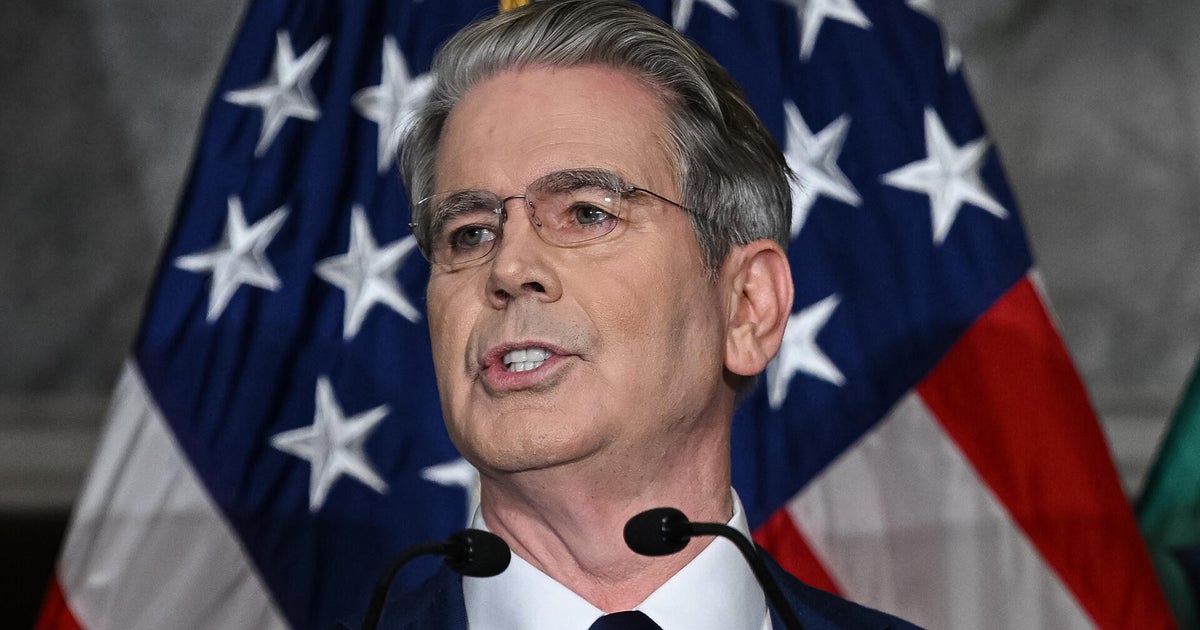
- The Lead: Treasury Secretary Scott Bessent has moved from his Washington-area home to a U.S. military base due to credible threats against his life originating from Iran.
- The Context: The relocation comes amid heightened tensions between the U.S. and Iran, particularly concerning U.S. policy and actions in the Middle East.
- The Impact: This move underscores the direct personal security risks faced by senior U.S. officials and signals a potential escalation in covert or overt actions by foreign adversaries.
- What's Next: Authorities will continue to assess the threat level and enhance security measures for officials deemed at risk, while diplomatic channels remain strained.
In a development that underscores the escalating personal stakes in international relations, U.S. Treasury Secretary Scott Bessent has relocated from his home in the Washington, D.C., area to a secure U.S. military base.
The move comes in response to credible threats against his life, reportedly originating from Iran, a situation that signals a concerning new dimension to the complex and often volatile relationship between the United States and the Islamic Republic.
What We Know: The Move and The Threat
Sources familiar with the situation have confirmed that Secretary Bessent is no longer residing at his personal residence and is instead operating from a U.S. military installation. This decision was not taken lightly and is a direct consequence of intelligence indicating credible threats to his safety. While specific details of the threats remain classified, the directive for such a significant security measure implies a level of seriousness and immediacy that compelled federal authorities to act decisively.
The relocation is a stark illustration of how geopolitical tensions can translate into direct, personal risks for senior government officials. The Treasury Department has not commented on the specifics of the move, citing security protocols, but the fact of the relocation itself speaks volumes about the perceived danger.
Intelligence Assessment
The intelligence suggesting these threats has been deemed credible enough by security agencies to warrant this extraordinary step, indicating a potential willingness by Iran or its proxies to target U.S. officials outside of traditional combat zones.
“The decision to move a high-ranking Treasury official to a military base underscores the tangible and immediate threat posed by foreign adversaries, highlighting a new phase of personal risk for U.S. policymakers.”
The Geopolitical Backdrop: U.S.-Iran Tensions
This development occurs against a backdrop of deeply strained relations between Washington and Tehran. The United States maintains a firm stance against Iran's nuclear program, its ballistic missile development, and its support for regional proxy groups, which Washington views as destabilizing forces in the Middle East.
Recent months have seen a series of escalations, including Iranian-backed militia attacks on U.S. forces in Iraq and Syria, and U.S. responses targeting those groups. The ongoing conflict in Gaza has further inflamed regional dynamics, with Iran playing a complex role in supporting Hamas and other militant factions. U.S. Treasury actions, such as sanctions, are a key tool in pressuring the Iranian regime, making officials like Secretary Bessent potential targets for retaliation.
Historical Precedent
While direct threats against U.S. officials are not unprecedented, the specific context of Iran's alleged involvement in plotting such actions within the United States or its immediate vicinity represents a significant escalation in hostile intent.
Reactions and Security Implications
Official reactions have been muted, with government spokespersons emphasizing that the safety and security of personnel are paramount. However, the move is likely to send ripples through the national security apparatus, prompting a review of security protocols for other high-ranking officials who might be similarly targeted. The Treasury Department's operations, particularly concerning sanctions enforcement and financial diplomacy with Iran, will continue, but the personal risk factor is now a tangible element.
The U.S. military's provision of a secure base underscores the seriousness with which these threats are being treated by the Pentagon and other intelligence agencies. It highlights a coordinated, multi-agency response to protect key government figures from potential foreign-sponsored aggression.
Political Fallout
This incident is expected to further harden political resolve in Washington regarding Iran policy, potentially leading to increased calls for more aggressive countermeasures and a stronger diplomatic front against Tehran's perceived threats.

Assessing the Risks and Countermeasures
The relocation of Secretary Bessent serves as a critical reminder that national security threats are not confined to distant battlefields. They can manifest as direct, personal dangers to those in positions of power. U.S. intelligence agencies are constantly monitoring for such threats, and the decision to move Bessent indicates a high degree of confidence in the intelligence gathered.
Countermeasures will likely involve enhanced surveillance, diplomatic pressure on Iran, and potential offensive cyber or intelligence operations aimed at disrupting any plots. The U.S. government is committed to protecting its officials, and this incident will undoubtedly spur further investment and strategic planning in the realm of personal security for those at the forefront of foreign policy and national security.
Economic Impact
While the direct economic impact is minimal, the increased tension could lead to volatility in financial markets, particularly those sensitive to geopolitical risks in the Middle East and energy prices.
Looking Ahead: What This Means for Policy
The relocation of Secretary Bessent is more than just a security footnote; it is a potent symbol of the challenges facing U.S. foreign policy. It underscores the determination of adversaries to exploit every avenue, including personal threats, to influence or disrupt U.S. government functions. This will likely reinforce the U.S. commitment to sanctions and other forms of pressure against Iran, as yielding to such threats is seen as counterproductive.
Moving forward, expect a heightened focus on intelligence sharing, counter-threat operations, and potentially more robust diplomatic efforts to de-escalate regional tensions, though the immediate response may be a hardening of U.S. policy. The personal safety of officials will be a constant consideration in the complex calculus of international diplomacy and national security.
Diplomatic Signals
This event could prompt renewed calls for direct communication channels between the U.S. and Iran, or conversely, a complete severing of any remaining informal ties, depending on the strategic assessment of how to best manage the threat.
🎯 The Bottom Line
The bottom line is that the security of senior U.S. officials is now demonstrably at risk from foreign adversaries, prompting significant protective measures. This incident underscores the interconnectedness of global politics and personal safety, demanding continued vigilance and strategic adaptation from Washington.
Thank you for joining us for this urgent briefing. Stay with The Azeem USA Briefing for ongoing analysis and updates as this story develops.
Subscribe to The Azeem USA Briefing for daily insights into the stories shaping America and the world.
📬 Reader Q&A: Key Questions Answered
Q: Who is Scott Bessent?
Scott Bessent is a high-ranking official within the U.S. Treasury Department, involved in formulating and executing U.S. financial policy, including sanctions.
Q: Why has he relocated?
He has relocated to a U.S. military base due to credible threats against his life that have been attributed to Iran.
Q: What is the U.S. Treasury's role concerning Iran?
The U.S. Treasury plays a critical role in implementing and enforcing economic sanctions against Iran, aiming to pressure the regime over its nuclear program and regional activities.
Q: Are other U.S. officials facing similar threats?
While not publicly disclosed, this incident suggests that such threats are being taken seriously, and security assessments are likely ongoing for other officials in sensitive positions.
Q: What is the broader implication for U.S.-Iran relations?
This event signifies a concerning escalation, potentially hardening U.S. policy towards Iran and increasing the focus on countering threats beyond traditional military or diplomatic arenas.
Comments
Post a Comment