The House Speaker's path to a fifth term in Louisiana faces minimal challenge, signaling stability amid national political turbulence.
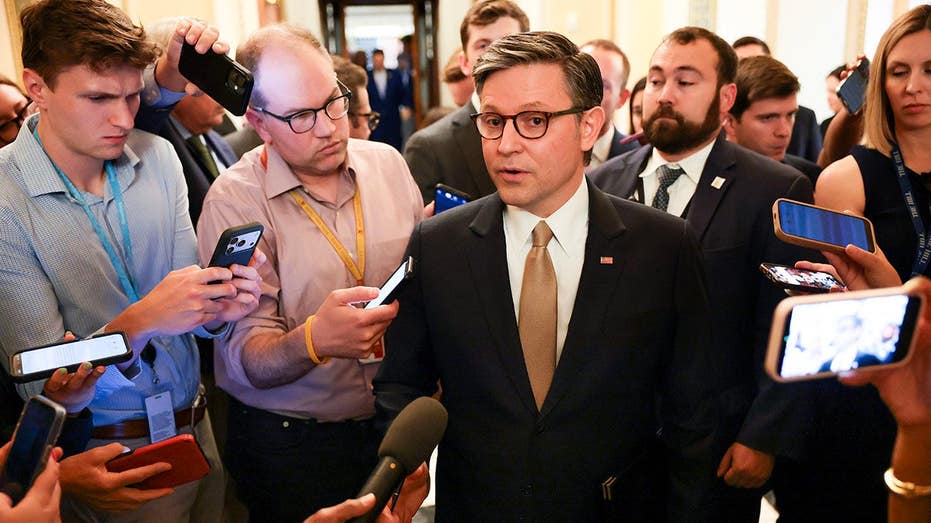
- The Lead: House Speaker Mike Johnson is projected to win re-election to his fifth term representing Louisiana's 4th Congressional District.
- The Context: Johnson, a prominent Republican leader, faces a primary and general election in a district considered reliably conservative.
- The Impact: His expected win secures his seat and potentially strengthens his position as Speaker, providing leadership continuity.
- What's Next: Attention will shift to his legislative agenda and the broader battle for control of the House in upcoming elections.
In the heart of Louisiana's 4th Congressional District, House Speaker Mike Johnson is on a clear path toward securing his fifth term, a development widely projected to conclude without significant electoral drama. As voters head to the polls, the focus remains not just on his local victory, but on what this personal mandate signifies for his leadership in Washington amidst a deeply divided Congress.
This briefing breaks down the dynamics of Johnson's re-election bid, explores the context of his rise to the speakership, and examines the potential impacts of his expected win on the national political stage. We delve into the immediate reactions, the underlying policy challenges, and the crucial signals to monitor as Congress grapples with pressing national and international issues.
Johnson's Home Turf: What the Race Looks Like
Speaker Mike Johnson is seeking to extend his representation of Louisiana's 4th Congressional District, a seat he has held since 2017. The district, encompassing northwestern Louisiana, is a Republican stronghold, making Johnson a formidable incumbent. His campaign has emphasized his role as Speaker and his conservative policy positions, aiming to consolidate support among his constituents who largely align with his political ideology.
Early projections and the district's voting history suggest a comfortable victory for Johnson. Unlike many of his colleagues facing nail-biting races, his re-election battle is expected to be a testament to his established presence and the district's predictable political leanings. The lack of a serious challenger underscores the deep Republican roots within the 4th District.
Local Support and National Profile
While the election is local, Johnson's national profile as Speaker inevitably shapes the narrative. His supporters view his re-election as a vote of confidence in his leadership of the House, while any opposition, however small, may highlight national controversies surrounding his tenure.
“Johnson's projected victory offers a measure of stability for his leadership and the House GOP, even as national political battles intensify.”
The Road to the Speaker's Gavel: Background and Ascent
Johnson's journey to the speakership was marked by a rapid ascent within the Republican conference. Initially considered a more junior member, his strategic positioning and conservative credentials allowed him to emerge as a consensus candidate after a period of intense internal party struggle following the ouster of Kevin McCarthy.
His background as a constitutional lawyer and his consistent voting record on conservative issues provided him with a base of support. However, his elevation also placed him at the center of intra-party debates, particularly concerning fiscal policy, foreign aid, and the broader direction of the Republican party. His ability to unite disparate factions of the GOP, even temporarily, was key to his election as Speaker.
A Conservative Mandate
Johnson's policy stances, including opposition to abortion and support for traditional values, resonate strongly within his home district and among a significant portion of the Republican electorate. His legislative priorities often reflect these core conservative principles.
National Echoes: Reactions and Political Fallout
The news of Speaker Johnson's projected re-election is likely to be met with measured relief by Republican leadership and cautious optimism by his allies. For Democrats, his expected victory solidifies a key opponent and sets the stage for continued legislative clashes. The outcome is being closely watched as an indicator of voter sentiment in conservative districts, though the specific local dynamics of Louisiana's 4th District may not perfectly mirror national trends.
Market reactions, while not directly tied to this specific House race, are influenced by the perceived stability of congressional leadership. Johnson's continued tenure as Speaker suggests a degree of predictability in House operations, which can be favorable for investor confidence. However, the broader political uncertainty surrounding the upcoming general election remains a dominant factor.
Party Dynamics
Within the Republican party, Johnson's re-election is seen by many as a win that strengthens his hand. It provides a narrative of Republican unity and success, which the party can leverage in its broader campaign efforts. Conversely, any dissenting voices or challenges, however minor, could be amplified to highlight internal party divisions.

Navigating the Divide: Key Policy Challenges
As Speaker, Johnson faces a complex array of policy challenges that extend far beyond his district's borders. Key among these are ongoing debates over federal spending, national security funding (including aid to Ukraine and Israel), and border policy. His ability to navigate these issues often involves balancing the demands of his conservative base with the necessity of bipartisan compromise to pass legislation.
The legislative agenda is further complicated by the narrow majority held by Republicans in the House. This precarious balance means that Johnson must carefully manage his caucus, appease moderate voices, and contend with Democratic opposition, all while maintaining the perception of strong leadership. The decisions made under his speakership have significant implications for domestic policy and America's role on the global stage.
The Budgetary Tightrope
One of the most immediate and persistent challenges is the annual budget process. Negotiating spending levels and avoiding government shutdowns requires Johnson to broker difficult deals, often facing pressure from both the progressive wing of the Democratic party and the more fiscally conservative members of his own caucus.
Looking Ahead: What to Watch for in Congress
With his re-election largely secured, the focus will pivot back to Speaker Johnson's legislative strategy and his role in shaping the House agenda leading up to the November elections. Observers will be watching closely for any shifts in his approach to key policy debates, particularly those that could influence voter perceptions of the Republican party.
The upcoming months will be critical for Johnson as he attempts to advance the Republican agenda while simultaneously campaigning for his party's broader electoral success. His leadership will be tested by continued partisan friction, potential legislative stalemates, and the overarching goal of maintaining or expanding the Republican majority in the House.
Key Milestones
Keep an eye on upcoming votes on appropriations bills, any potential bipartisan agreements on border security, and the Speaker's public statements regarding the upcoming presidential and congressional campaigns.
🎯 The Bottom Line
The Bottom Line: Speaker Mike Johnson's projected re-election in Louisiana's 4th Congressional District offers him a personal victory that reinforces his position. While his seat is secure, the broader political battles he faces in Washington remain intense, underscoring the delicate balance of power in the House and the significant challenges ahead for the Republican party.
As always, thank you for joining us for The Azeem USA Briefing. We will continue to monitor these developments closely and bring you the essential analysis you need to understand the forces shaping our nation and the world. Stay informed, and stay engaged.
Subscribe to The Azeem USA Briefing for daily insights and analysis delivered directly to your inbox.
📬 Reader Q&A: Key Questions Answered
Q: What is the primary significance of Speaker Johnson's re-election?
His re-election solidifies his seat in the House of Representatives and is expected to bolster his standing as Speaker, providing a degree of stability for his leadership role amidst national political turbulence.
Q: How competitive is Louisiana's 4th Congressional District?
The district is considered a strong Republican stronghold, with a significant partisan lean that typically ensures Republican victories, making Johnson's re-election a strong probability.
Q: What are the major policy challenges facing Speaker Johnson?
Key challenges include navigating federal budget negotiations, addressing national security funding (such as aid packages), and managing border policy, all while contending with a narrow Republican majority in the House.
Q: How does this election impact the national political landscape?
While a local race, Johnson's victory can be framed as a win for Republican leadership, potentially strengthening his ability to unite his caucus and pursue the party's agenda heading into the broader general election campaigns.
Q: What should readers watch for next regarding Speaker Johnson?
Readers should monitor his legislative strategy, his approach to contentious votes, and his public commentary as he leads the House through the remainder of the congressional session and into the crucial election cycle.
Comments
Post a Comment