Tensions flare as pro-Israel and pro-Palestinian demonstrators confront each other, leading to arrests and highlighting ongoing geopolitical divisions.
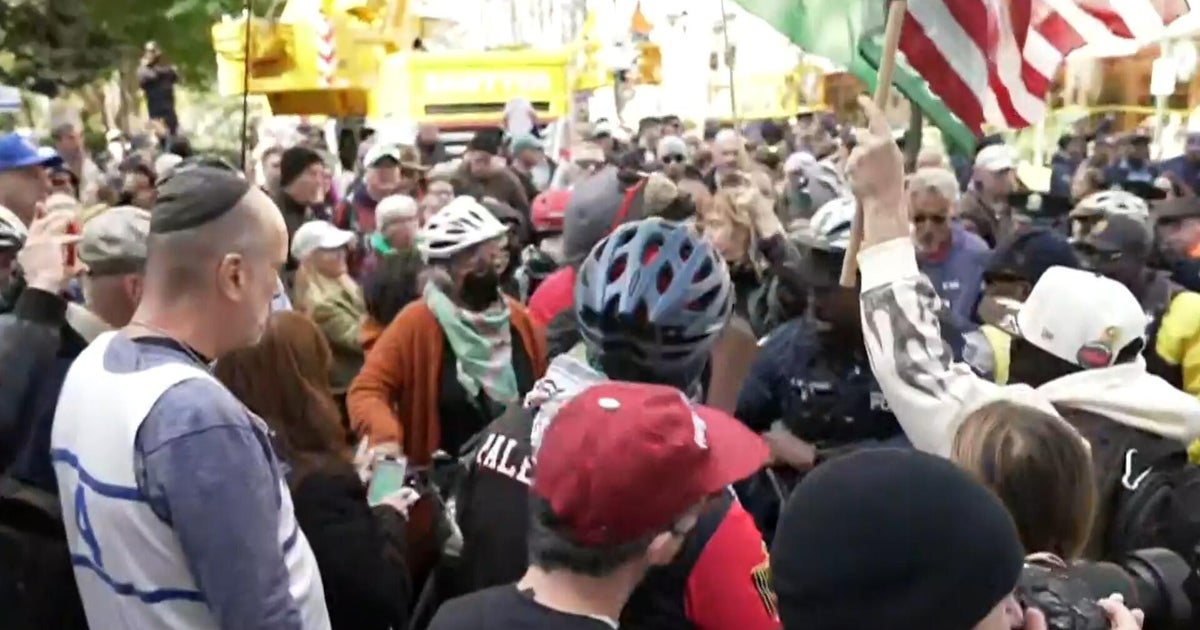
- The Lead: Pro-Israel and pro-Palestinian protesters engaged in physical clashes during a demonstration against a boycott of six Jewish-owned businesses in Philadelphia.
- The Context: The protest was organized in response to a boycott targeting businesses due to their ownership and perceived ties to Israel.
- The Impact: The confrontation led to three arrests and highlighted the volatile nature of geopolitical tensions manifesting in local American communities.
- What's Next: Authorities will monitor for any further escalation or organized counter-protests, and legal proceedings for those arrested are expected.
Philadelphia's streets became a stage for escalating tensions as pro-Israel and pro-Palestinian protesters clashed violently on Saturday, a confrontation centered around a boycott targeting six Jewish-owned businesses. The demonstration, intended to express solidarity with Palestinian grievances, devolved into physical altercations, prompting police intervention and leading to multiple arrests.
This incident is more than just a local disturbance; it reflects a broader pattern of how international political divides are increasingly manifesting in American cities, creating flashpoints that challenge community cohesion and public safety. This briefing breaks down what led to the confrontation, the immediate aftermath, and what it signifies for the ongoing discourse surrounding the Israeli-Palestinian conflict in the United States.
The Confrontation Unfolds: What Happened on the Ground
Eyewitness accounts and initial reports indicate that a planned demonstration against a boycott of several Jewish-owned businesses in Philadelphia quickly escalated. Protesters representing both pro-Israel and pro-Palestinian viewpoints converged, with the initial protest against the boycott shifting into direct confrontation. Video footage captured moments of pushing, shoving, and verbal altercations that spilled into physical disputes, drawing a significant police presence to the scene.
Authorities were compelled to intervene to separate the opposing groups and restore order. The swift police response was crucial in preventing further escalation, though the situation remained tense. During the ensuing chaos, three individuals were taken into custody, facing charges that are expected to be detailed as the legal process moves forward. The incident, which occurred on a public street, disrupted local activity and drew the attention of onlookers and media.
Immediate Aftermath and Arrests
The arrests mark a critical development, signaling the seriousness with which law enforcement is treating the disruption and potential for violence. The specific charges against the individuals will likely be scrutinized, potentially becoming points of contention for advocacy groups on either side of the conflict.
“The confrontation in Philadelphia serves as a stark reminder of how distant geopolitical rifts can ignite passionate, and sometimes volatile, street-level disputes.”
Roots of the Dispute: The Boycott and its Backers
The protest stemmed from a boycott campaign targeting six specific Jewish-owned businesses in Philadelphia. Organizers of the boycott have stated their actions are in solidarity with Palestinian rights and are aimed at pressuring businesses perceived to have ties to Israel or to individuals or organizations supporting Israeli policies. These boycotts, often framed as a form of economic protest, have become a recurring tactic in activism related to the Israeli-Palestinian conflict.
The businesses themselves have become focal points, drawing both support from those who oppose the boycott and condemnation from those who see it as discriminatory or as a form of collective punishment against the Jewish community. The rationale provided by boycott proponents often centers on holding entities accountable for actions related to the conflict, while opponents argue such tactics unfairly target individuals based on their identity and heritage, echoing historical antisemitic practices.
The Boycott's Stated Aims
Proponents of the boycott claim it is a non-violent method to exert pressure and raise awareness about the broader political situation, asserting that the targeted businesses are complicit in or benefit from policies they oppose.
Community Reactions and Law Enforcement Response
The clashes have ignited a range of reactions within the Philadelphia community and beyond. Local leaders and community groups have voiced concerns over the rise in such confrontations, emphasizing the need for peaceful dialogue and de-escalation. Some Jewish community organizations have condemned the boycott and the subsequent protests as antisemitic and divisive, while some Palestinian advocacy groups have defended the right to protest and criticize Israeli policies, though not necessarily endorsing the violent clashes.
Law enforcement agencies in Philadelphia are now tasked with managing the fallout and preventing future incidents. This includes increased vigilance, potential investigations into the organization of the protests, and efforts to communicate with community leaders to foster understanding. The role of police in such polarized environments is often scrutinized, balancing the rights of protesters with the need to maintain public order and safety for all residents.
Police Preparedness and Dialogue
Authorities are likely reviewing their response protocols and considering how to address similar situations that may arise, emphasizing a commitment to protecting free speech while ensuring public safety.

Navigating Divisive Waters: The Competing Narratives
The incident highlights the deeply entrenched and often opposing narratives surrounding the Israeli-Palestinian conflict. For proponents of the boycott and the ensuing protest, the actions are framed as a legitimate response to perceived injustices and a call for accountability from entities linked to the conflict. They often draw parallels to historical movements for civil rights and social justice, employing tactics like boycotts to effect change.
Conversely, those who support the targeted businesses and counter-protests view the boycott as discriminatory and potentially antisemitic, arguing that it unfairly targets individuals and businesses based on their identity. They emphasize the right to conduct business free from harassment and boycotts motivated by geopolitical issues, often framing the situation as an attack on the Jewish community. This polarization means that finding common ground or even agreeing on the basic facts of the situation remains a significant challenge.
The Challenge of Bridging Divides
Analysts suggest that the intensity of these narratives makes it difficult for objective reporting to penetrate, as individuals often consume information that confirms their existing viewpoints, further entrenching divisions.
Looking Ahead: Potential for Further Tensions
The clashes in Philadelphia serve as a microcosm of broader trends, suggesting that similar confrontations could emerge in other cities across the nation. As geopolitical tensions remain high, the potential for these conflicts to spill into American streets is a persistent concern for law enforcement and community leaders. The legal outcomes for those arrested will likely be closely watched and could influence future organizing efforts.
Furthermore, the incident may prompt renewed calls for dialogue and mediation, or conversely, lead to further entrenchment and counter-mobilization. The ability of cities to manage these increasingly complex demonstrations will be a key test of their capacity for maintaining public order while respecting diverse forms of expression, especially when those expressions are rooted in deeply divisive global issues.
Monitoring Future Developments
Observers will be tracking whether this event sparks further organized actions, legal challenges, or community-led initiatives aimed at bridging the divides exposed by the protest.
🎯 The Bottom Line
The Bottom Line: The Philadelphia protest and clash over a boycott of Jewish businesses underscore the volatile intersection of international conflict and domestic unrest, leading to arrests and highlighting deep community divisions that require careful management and de-escalation.
As these geopolitical fault lines continue to ripple through American society, The Azeem USA Briefing will remain committed to providing clear, contextualized reporting on the events shaping our world, both at home and abroad. Stay informed.
Subscribe to The Azeem USA Briefing for daily insights into the stories that matter.
📬 Reader Q&A: Key Questions Answered
Q: What was the primary reason for the protest?
The protest was organized against a boycott targeting six Jewish-owned businesses in Philadelphia, with counter-protests by pro-Israel groups also present.
Q: How many people were arrested?
Three individuals were arrested during the clashes between the two groups.
Q: What are the main arguments of the boycott organizers?
Organizers state the boycott is in solidarity with Palestinian rights and aims to pressure businesses perceived to have ties to Israel or Israeli policies.
Q: What is the perspective of those opposing the boycott?
Opponents argue the boycott is discriminatory, potentially antisemitic, and unfairly targets individuals based on their identity.
Q: What is the broader significance of this event?
The incident reflects a trend of international conflicts manifesting as domestic tensions and protests in American cities.
Comments
Post a Comment