The departure of a tech titan sends ripples through the chip industry, prompting urgent reassessment of market leadership.
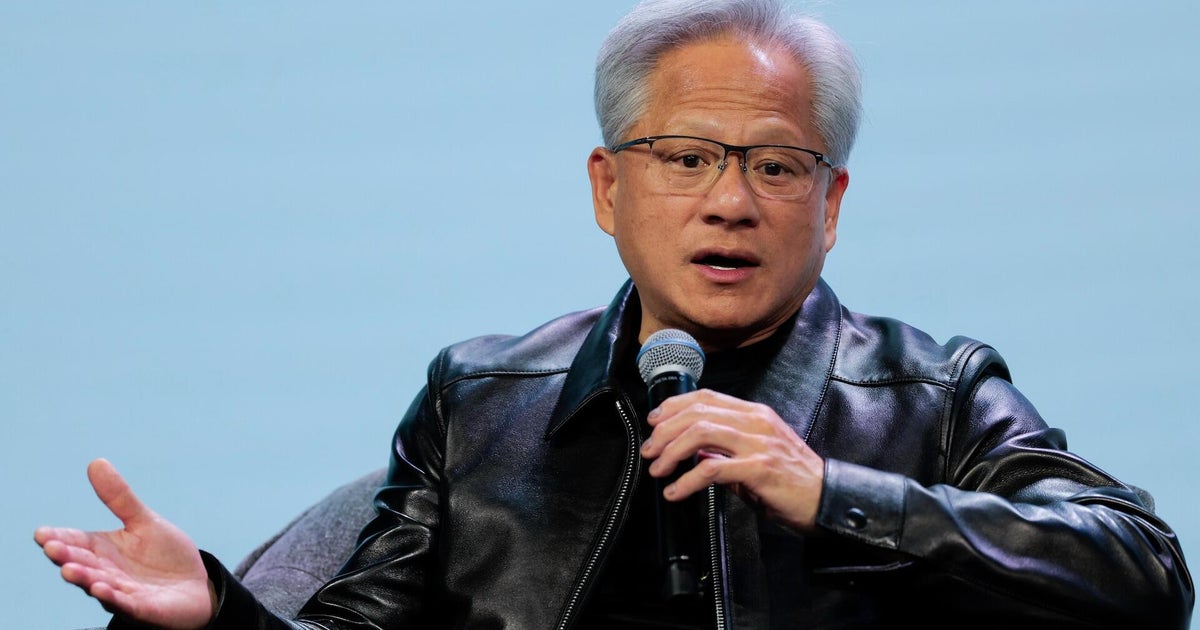
- The Lead: Nvidia CEO Jensen Huang has resigned, ending a transformative tenure at the helm of the world's leading chip designer.
- The Context: Huang, a co-founder, has been the driving force behind Nvidia's dominance in graphics processing units (GPUs) and its pivotal role in the AI revolution.
- The Impact: The departure creates immediate uncertainty for Nvidia and significant openings for its key rivals in the fiercely competitive tech landscape.
- What's Next: Investors and analysts are closely watching for Nvidia's succession plan and how competitors will capitalize on this leadership transition.
In a move that sent immediate tremors through the global technology sector, Nvidia CEO Jensen Huang has resigned, signaling the end of a nearly three-decade reign for one of Silicon Valley's most influential figures. The announcement, delivered with little prior warning, leaves a leadership vacuum at the company that has become synonymous with the artificial intelligence boom.
Huang's departure is more than just a change in personnel; it represents a potential inflection point for the semiconductor industry, which has been overwhelmingly shaped by Nvidia's innovation and market strategy. This briefing will delve into the immediate impact of his exit, the historical context of Nvidia's ascent, and the opportunities this seismic shift presents for its rivals.
The End of an Era: Huang's Departure
Jensen Huang, a co-founder of Nvidia in 1993, has been the unwavering captain of the company's ship, guiding it through numerous technological cycles. His resignation as CEO, effective immediately, marks the conclusion of a tenure characterized by bold vision and relentless execution. The official statement from Nvidia was brief, citing personal reasons for his departure, but the implications are anything but minor.
Wall Street analysts were quick to react, with many expressing concern over the immediate void left by Huang's unique leadership. His deep understanding of the technology landscape, coupled with strong relationships across the tech ecosystem, has been instrumental in Nvidia's strategic partnerships and product development. The company's stock, a bellwether for the AI industry, experienced initial volatility following the news.
Immediate Market Reaction
The market's initial response highlights the central role Huang played in investor confidence. His departure raises questions about continuity in strategy and the ability to maintain Nvidia's cutting-edge research and development pipeline without his direct influence.
“Losing a visionary leader like Jensen Huang will inevitably hurt Nvidia, especially given his deep relationships within the complex world of technology.”
From Graphics Cards to AI Dominance: Nvidia's Rise
Nvidia's journey under Jensen Huang is a quintessential Silicon Valley success story. What began as a company focused on graphics processing units (GPUs) for the gaming industry evolved into a dominant force powering the artificial intelligence revolution. Huang's foresight in recognizing the potential of GPUs beyond graphics—specifically for parallel processing tasks essential for machine learning—was a pivotal turning point.
This strategic pivot allowed Nvidia to capture the burgeoning AI market, becoming the indispensable supplier of the chips that train and run complex AI models. The company's market capitalization soared, making it one of the most valuable companies in the world, a testament to Huang's leadership and Nvidia's technological prowess. The company's Hopper and Ampere architectures, for instance, have set industry standards.
The AI Foundation
Nvidia's hardware became the de facto standard for AI development, creating a powerful ecosystem of software and developer tools that further cemented its dominance, a position built on Huang's long-term vision.
Rivals See Opportunity: AMD, Intel, and the AI Race
The departure of a dominant player's leader inevitably creates openings, and Nvidia's rivals are poised to capitalize. Companies like Advanced Micro Devices (AMD) and Intel, who have long competed with Nvidia in various segments of the chip market, will see this as a crucial moment to gain ground.
AMD, in particular, has been investing heavily in its own AI-capable GPUs and CPUs, aiming to challenge Nvidia's supremacy. Intel, while facing its own set of challenges, is also pushing forward with its foundry services and new chip architectures. The leadership transition at Nvidia could provide a window for these competitors to aggressively market their alternatives and secure new design wins, especially as customers may seek to diversify their supply chains.
Accelerated Competition
Analysts predict an intensified competitive landscape, with rivals likely to increase their R&D spending and marketing efforts to lure customers away from a potentially less stable Nvidia.

The Stakes: Market Share, Innovation, and Geopolitics
The implications of Huang's exit extend far beyond Nvidia's balance sheet. The semiconductor industry is a critical battleground for global technological and economic leadership. Nvidia's dominance has been a key factor in the pace of AI development, and any disruption could have ripple effects across various industries reliant on advanced computing.
Furthermore, the geopolitical landscape surrounding chip manufacturing and design is increasingly complex, with nations vying for technological sovereignty. A leadership change at such a pivotal company could influence national strategies and international collaborations in the high-stakes race for AI supremacy. The potential for market share shifts also impacts the broader supply chain, from component suppliers to end-users in cloud computing, automotive, and beyond.
Global Tech Balance
The future trajectory of AI innovation and the global distribution of technological power hang in the balance as the industry navigates this significant leadership change.
What Comes Next for Nvidia and the Chip Industry
The immediate priority for Nvidia's board will be to announce a clear and credible succession plan. The identity of Huang's successor will be closely scrutinized, as will their vision for the company's future. Investors will be looking for signs that Nvidia can maintain its innovative edge and market leadership without its long-time CEO.
Meanwhile, competitors will be working overtime to present themselves as viable alternatives. Expect aggressive product roadmaps, strategic partnerships, and increased lobbying efforts as the race for the future of AI hardware intensifies. The coming months will be crucial in determining whether Huang's departure marks a temporary blip or a fundamental shift in the power dynamics of the global semiconductor industry.
Navigating the Transition
The industry will be watching closely to see if Nvidia can successfully transition leadership while fending off a more aggressive competitive front, setting the stage for a new chapter in chip technology.
🎯 The Bottom Line
The Bottom Line: Jensen Huang's exit is a monumental event that reshapes the competitive landscape of the semiconductor industry. While Nvidia's foundational strength and market position remain formidable, the departure of its visionary leader creates a critical window of opportunity for rivals to challenge its dominance in the lucrative AI chip market.
As the technology world watches for Nvidia's next move, the coming period promises to be one of intense competition and strategic maneuvering. Stay tuned to The Azeem USA Briefing for continued analysis on this developing story and its far-reaching implications.
Subscribe to The Azeem USA Briefing for daily insights into the stories shaping our world.
📬 Reader Q&A: Key Questions Answered
Q: Who is Jensen Huang?
Jensen Huang is the co-founder and former CEO of Nvidia, widely credited with transforming the company into a leader in graphics processing units (GPUs) and artificial intelligence hardware.
Q: Why is Nvidia so important?
Nvidia designs the graphics processing units (GPUs) that are essential for powering artificial intelligence, machine learning, high-performance computing, and advanced gaming.
Q: Which companies are Nvidia's main rivals?
Nvidia's primary competitors in the GPU and AI chip market include Advanced Micro Devices (AMD) and Intel.
Q: What is the impact of Huang's departure on Nvidia's stock?
Nvidia's stock experienced initial volatility following the announcement, reflecting investor uncertainty about leadership continuity and future strategy.
Q: What does this mean for the future of AI hardware?
Huang's exit could lead to increased competition and innovation as rivals attempt to capture market share, potentially accelerating advancements in AI hardware development.
Comments
Post a Comment