Rep.-elect Nancy Lacore's ascension to Congress, and her prior dismissal from the Naval Reserve, highlights shifting power dynamics and unanswered questions within the U.S. military leadership.
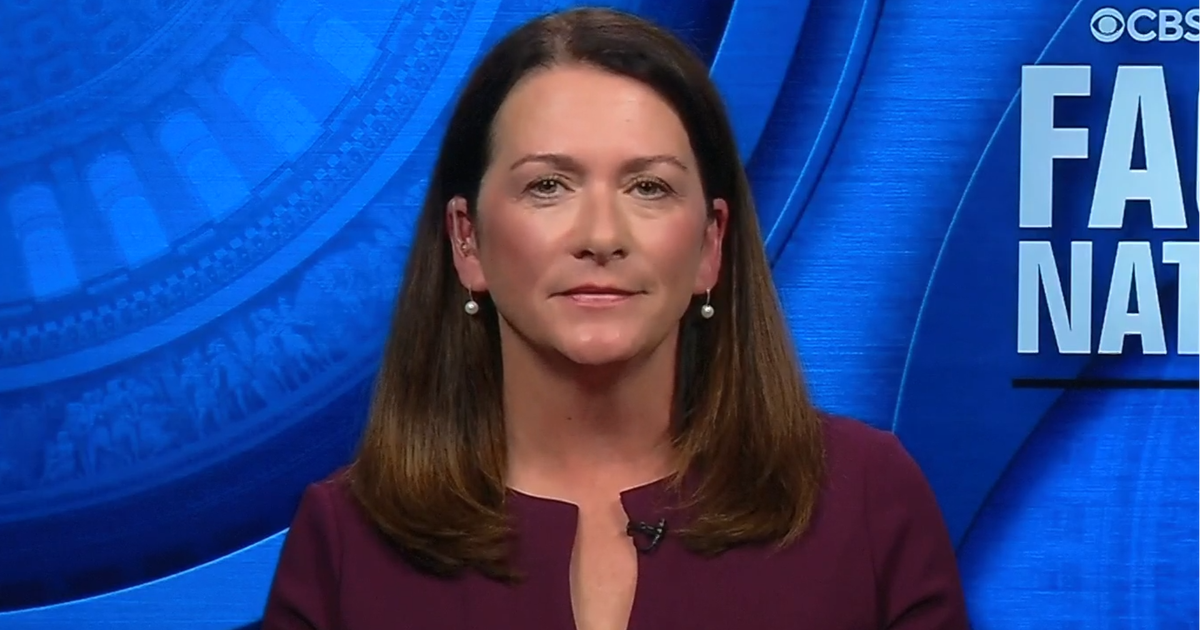
- The Lead: Rep.-elect Nancy Lacore, a former Navy Vice Admiral, is poised to become the highest-ranking female military officer ever to serve in Congress.
- The Context: Lacore was dismissed from her role as chief of the Naval Reserve in August 2025 by Defense Secretary Pete Hegseth without stated cause.
- The Impact: Her election signifies a significant moment for women in military leadership and raises questions about transparency in high-level military personnel decisions.
- What's Next: Attention is now focused on Lacore's legislative agenda and any potential clarity or action regarding her prior dismissal.
In a political landscape often defined by its predictable currents, the rise of Rep.-elect Nancy Lacore presents a compelling, and at times enigmatic, trajectory. Fresh off a significant electoral victory that saw her flip a congressional seat, Lacore is set to make history as the highest-ranking female U.S. military officer to ever serve in the halls of Congress. Her arrival in Washington is a moment of triumph, marking a significant milestone for women in national security leadership.
However, this historic ascent is shadowed by an unexplained dismissal from her military post just over a year prior. The circumstances surrounding her departure from the Naval Reserve, under Defense Secretary Pete Hegseth, remain a subject of intense interest and speculation. This briefing delves into the multifaceted story of Rep.-elect Lacore, exploring the facts of her election, the lingering questions about her military service, and what her unique position signifies for the future of both the military and Congress.
The Unfolding Narrative: Lacore's Congressional Debut
Rep.-elect Nancy Lacore's path to Congress is a testament to her distinguished career and her ability to connect with voters. As a former Vice Admiral and chief of the Naval Reserve, she brings a wealth of experience in national security and strategic leadership. Her election win, part of a broader electoral shift that saw more than three dozen seats change hands, positions her as a significant new voice on defense and veteran affairs. Her supporters point to her deep understanding of military operations and her commitment to public service as key qualifications for her new role.
The significance of her impending tenure cannot be overstated. Breaking barriers in military leadership is one aspect, but carrying that experience into the legislative arena offers a unique perspective on policy-making. She is not just a representative; she is a symbol of advancement, demonstrating that high-level military careers can directly translate into impactful political careers, provided the path is clear and the transitions are smooth.
A Historic First
The designation of 'highest-ranking female U.S. military officer to serve in Congress' is a powerful descriptor that underscores the magnitude of her achievement in a historically male-dominated field.
“The circumstances of her removal from service, occurring shortly before her successful congressional campaign, invite deeper examination into the intersection of military leadership, political appointments, and public scrutiny.”
Behind the Dismissal: Unanswered Questions
While her election victory is a clear mandate from her constituents, the sudden and unexplained dismissal of Lacore from her role as chief of the Naval Reserve in August 2025 casts a complex shadow over her transition. Defense Secretary Pete Hegseth made the decision without providing a public explanation, a move that is unusual for high-ranking officials and has fueled considerable speculation within military and political circles. The lack of transparency surrounding her removal raises questions about the internal workings of the Pentagon and the criteria for leadership transitions.
This abrupt exit from a significant military command, occurring without stated cause, stands in stark contrast to the public's perception of her dedicated service. Observers note that such dismissals, especially when lacking clear justification, can create uncertainty about performance standards and potential political influences within military appointments. The episode invites scrutiny into the decision-making processes at the Department of Defense and the protocols for handling senior military personnel changes.
The Silence from the Pentagon
The absence of a stated reason for Lacore's dismissal by Secretary Hegseth remains a central point of inquiry, leaving stakeholders to ponder the underlying factors.
The Political Landscape: A 'Blue Wave' Victory
Rep.-elect Lacore's electoral success was part of a broader national trend, often described as a 'blue wave,' which saw significant shifts in congressional power dynamics. Over three dozen candidates across the country managed to flip seats, indicating a strong voter sentiment that reshaped the legislative landscape. Lacore's victory in her district is a clear reflection of local support, but it also taps into this larger national mood, suggesting voters were looking for new leadership and potentially a different approach to governance.
Her campaign likely leveraged her military background as a sign of strength, discipline, and commitment—qualities that resonate with many voters. The ability to win in a competitive environment, especially amidst a significant electoral swing, demonstrates effective campaigning and a strong message. This victory positions her not just as a representative of her district, but as a participant in the national political discourse, carrying the momentum of her election win into her congressional duties.
Riding the Electoral Tide
Lacore's win was embedded within a larger electoral phenomenon that dramatically altered the balance of power in Congress.

Navigating the Crossroads: Military Service and Legislative Power
The confluence of Lacore's military career and her impending role in Congress presents a unique dynamic. As the highest-ranking female military officer to enter the legislative branch, she brings an unparalleled understanding of defense operations, personnel, and strategic challenges. This perspective is invaluable in shaping legislation related to national security, veteran affairs, and military readiness. Her experience offers a grounded, practical viewpoint that can inform policy debates and legislative outcomes in a way few others can.
However, the unexplained departure from her military command introduces a layer of complexity. It raises questions about how military leadership is evaluated and managed, and whether such personnel decisions are transparent and equitable. As she takes her seat in Congress, this aspect of her background will inevitably draw scrutiny, potentially influencing how her colleagues and the public perceive her approach to oversight and accountability, both within the military and in broader governmental functions.
Bridging Two Worlds
Lacore's unique position as a former high-ranking military officer entering Congress highlights the potential for informed legislative action while also raising questions about past personnel decisions.
Looking Ahead: Lacore's Agenda and Lingering Shadows
As Rep.-elect Lacore prepares to be sworn in, the focus will shift to her legislative priorities and her ability to enact change. Her background suggests a likely emphasis on defense policy, military modernization, and support for service members and veterans. Her presence in Congress could bring a fresh perspective to these critical areas, potentially influencing policy debates and legislative outcomes in significant ways. Voters and stakeholders will be watching closely to see how she translates her extensive military experience into effective congressional action.
Simultaneously, the unanswered questions surrounding her dismissal from the Naval Reserve will likely persist. While her electoral victory gives her a mandate, the lack of explanation for her removal by Secretary Hegseth remains an open issue. It is possible that Lacore herself may address these circumstances more directly in her new role, or that continued interest from the press and the public will eventually shed more light on the events of August 2025. The intersection of her historic achievement and the unresolved questions about her past service will define much of the initial narrative surrounding her congressional tenure.
The Road Ahead
Lacore's legislative agenda will be closely watched, as will any developments concerning the circumstances of her prior military dismissal.
🎯 The Bottom Line
The Bottom Line: Rep.-elect Nancy Lacore's entry into Congress is a landmark event, celebrating a significant achievement for women in military leadership. Yet, the unresolved circumstances of her dismissal from the Naval Reserve cast a long shadow, prompting important questions about transparency and accountability within the Department of Defense. Her tenure promises to be closely watched, as she navigates the legislative landscape while carrying the weight of both her historic success and the lingering enigmas of her past service.
We will continue to monitor the developments surrounding Rep.-elect Lacore's career and any further clarification on her military departure. Thank you for joining us for this edition of The Azeem USA Briefing.
Subscribe to The Azeem USA Briefing for daily insights into the stories shaping America and the world.
📬 Reader Q&A: Key Questions Answered
Q: Who is Rep.-elect Nancy Lacore?
Rep.-elect Nancy Lacore is a former U.S. Navy Vice Admiral who served as chief of the Naval Reserve. She has won a congressional seat and will be the highest-ranking female military officer to serve in Congress.
Q: Why was she dismissed from the Naval Reserve?
She was dismissed in August 2025 by Defense Secretary Pete Hegseth without an explanation provided publicly. The reasons for her dismissal remain unclear.
Q: What is the significance of her election?
Her election is significant as she will be the highest-ranking female military officer to ever serve in the U.S. Congress, breaking a notable barrier in leadership.
Q: When did she serve as chief of the Naval Reserve?
She served as chief of the Naval Reserve until her dismissal in August 2025.
Q: What electoral trend was her victory part of?
Her victory was part of a broader electoral shift described as a 'blue wave,' where over three dozen seats were flipped in the recent election.
Comments
Post a Comment