The semiconductor giant's pursuit of Lumentum signals a massive bet on the escalating demand for AI infrastructure.
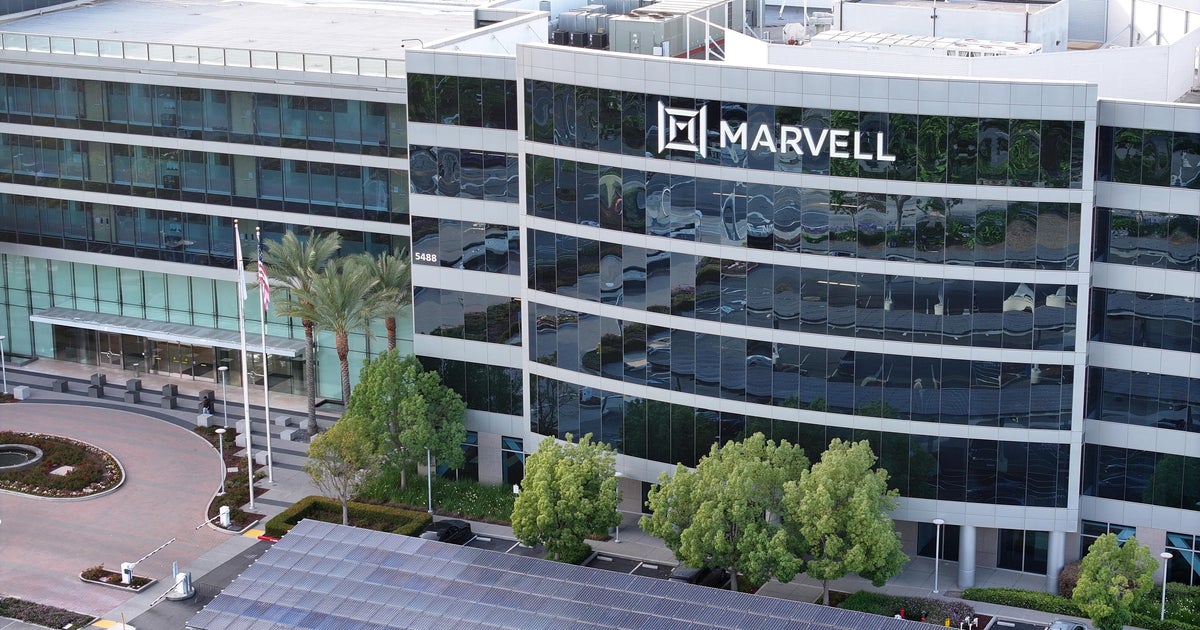
- The Lead: Marvell Technology is acquiring Lumentum for approximately $115 billion in a cash-and-stock deal, aiming to bolster its presence in AI data centers.
- The Context: The merger combines Marvell's semiconductor expertise with Lumentum's optical networking and photonics technology, crucial for high-speed data transfer.
- The Impact: This deal creates a formidable player in the AI infrastructure supply chain, potentially leading to increased competition and innovation in data center solutions.
- What's Next: The acquisition requires regulatory approval and shareholder consent, with a projected closing in the latter half of next year.
In a seismic development for the technology sector, Marvell Technology has announced its intention to acquire Lumentum in a colossal $115 billion deal. The semiconductor giant revealed the megamerger Tuesday, framing it as a strategic imperative to capture the burgeoning market for artificial intelligence data centers, a sector experiencing unprecedented demand and innovation.
This ambitious acquisition seeks to combine Marvell's prowess in advanced semiconductor design with Lumentum's leading-edge optical networking and photonics capabilities. The move is designed to create a more integrated and powerful entity capable of supplying the critical components needed to build and scale the massive data centers that power modern AI applications, from generative models to complex simulations.
Marvell's AI Ambitions: The Deal Unpacked
Marvell Technology, a key player in the semiconductor industry, has long been a provider of chips for various data infrastructure needs. However, the company is making a significant strategic pivot with this acquisition, aiming to move beyond component supply to offering more comprehensive solutions for the AI ecosystem. Lumentum, a specialist in optical components and modules, is seen as the crucial missing piece in Marvell's strategy to address the high-bandwidth, low-latency requirements of AI workloads.
The deal, structured as a combination of cash and stock, values Lumentum at a significant premium, reflecting its critical role in optical interconnects. Marvell's leadership has emphasized that the combined entity will be uniquely positioned to serve the rapidly expanding market for AI data centers, which require increasingly sophisticated networking and processing capabilities to handle immense data flows. This move is not just about growth; it's about securing a dominant position in what is widely considered the next frontier of computing.
A Bold Move in a Hot Market
The acquisition represents a bold, multi-billion dollar bet on the sustained, exponential growth of AI. Analysts note that while Marvell has been building its AI-focused portfolio, acquiring Lumentum provides immediate scale and technological depth in an area where optical connectivity is becoming as critical as processing power itself.
“The race to build the foundational infrastructure for AI is driving unprecedented consolidation and strategic investment within the semiconductor and networking sectors.”
The Strategic Convergence: Why Marvell Needs Lumentum
The synergy between Marvell's semiconductor technology and Lumentum's optical solutions is the core rationale behind the acquisition. As AI models grow in complexity and the volume of data they process explodes, the demands on data center infrastructure intensify. High-speed, efficient data transfer between processors, memory, and storage is paramount, and Lumentum's advanced optical interconnects are designed precisely for these high-performance environments.
Marvell's existing semiconductor offerings, including its custom AI accelerators and high-speed networking chips, will now be complemented by Lumentum's ability to transmit that data reliably and at breakneck speeds. This integration promises to simplify the supply chain for data center operators and AI developers, offering a more unified platform from chip to interconnect. The combined company aims to be a one-stop shop for the essential building blocks of next-generation AI infrastructure.
Bridging the Physical and Digital Divide
In essence, Marvell is looking to bridge the gap between the computational power of its chips and the physical infrastructure required to move the vast amounts of data AI generates. Lumentum's expertise in photonics, the science of light, is crucial for achieving the speeds and efficiencies needed to keep pace with AI's relentless appetite for data.
Market Reactions and Competitive Landscape
The announcement has sent ripples through the technology and financial markets. Investors are closely watching how this consolidation will impact the competitive landscape. Marvell's move immediately elevates its standing as a critical supplier to the AI industry, potentially challenging established players and creating new dynamics in the market for data center components and solutions.
Competitors in the semiconductor and networking space will likely reassess their own strategies in light of this massive deal. The acquisition could spur further consolidation as other companies seek to bolster their offerings and secure their positions in the high-growth AI market. The increased scale and integrated product portfolio of the combined Marvell-Lumentum entity could lead to greater pricing power and a more streamlined procurement process for major cloud providers and AI developers.
A New Contender Emerges
This merger creates a formidable new entity in the semiconductor and optical networking sectors, positioning Marvell as a significantly larger and more diversified player with a clear focus on the lucrative AI infrastructure market.

Navigating Regulatory Hurdles and Integration Risks
As with any deal of this magnitude, regulatory scrutiny will be a key factor. Antitrust authorities in major markets, including the United States and Europe, will examine the acquisition for potential impacts on competition. Given the strategic importance of AI infrastructure, regulators will likely pay close attention to ensure the deal does not stifle innovation or lead to monopolistic practices.
Beyond regulatory approvals, the successful integration of Marvell and Lumentum's operations, cultures, and technologies will be critical. Merging two large, complex organizations presents significant challenges, from harmonizing product roadmaps and sales forces to retaining key talent. Marvell's leadership will need to execute a meticulous integration plan to realize the full strategic and financial benefits of the acquisition.
The Integration Challenge
The success of this $115 billion bet hinges not only on market demand but also on Marvell's ability to seamlessly merge Lumentum's operations and technology into its own, navigating a complex regulatory environment along the way.
The Future of AI Infrastructure: What This Means
The Marvell-Lumentum deal is a clear indicator of where the technology industry is heading. The insatiable demand for artificial intelligence is driving massive investment and strategic realignment across the entire technology supply chain. Companies are recognizing that providing the foundational hardware is becoming increasingly lucrative and strategically vital.
For data center operators and AI developers, this merger could mean more integrated, high-performance solutions, potentially simplifying procurement and accelerating deployment of AI capabilities. However, it also concentrates significant power within a single entity, a dynamic that market participants and regulators will continue to monitor closely. The pursuit of AI dominance is fueling a wave of consolidation, and this deal is a powerful testament to that trend.
A Glimpse into Tomorrow's Data Centers
This acquisition is more than just a business transaction; it's a strategic maneuver that reflects the profound impact AI is having on the fundamental architecture of computing and the global digital economy.
🎯 The Bottom Line
The Bottom Line: Marvell's $115 billion acquisition of Lumentum is a decisive move to become a central pillar in the AI revolution, aiming to provide the integrated semiconductor and optical solutions essential for the next generation of data centers. The success of this bold strategy will depend on navigating regulatory approvals, seamless integration, and outmaneuvering a rapidly evolving competitive landscape.
As the race to build more powerful and efficient AI systems intensifies, expect further strategic plays and significant investments in the underlying infrastructure. Thank you for joining us for The Azeem USA Briefing. Stay informed, stay ahead.
Subscribe to The Azeem USA Briefing for daily insights into the stories shaping our world.
📬 Reader Q&A: Key Questions Answered
Q: What is the primary motivation behind Marvell's acquisition of Lumentum?
Marvell aims to significantly enhance its position in the rapidly growing market for AI data centers by combining its semiconductor expertise with Lumentum's leading optical networking and photonics technology.
Q: How does Lumentum's technology benefit AI data centers?
Lumentum provides high-speed optical interconnects and components crucial for transferring the massive amounts of data required by advanced AI models, addressing the critical need for high-bandwidth, low-latency communication within data centers.
Q: What is the estimated value of the Marvell-Lumentum deal?
The acquisition is valued at approximately $115 billion, comprising a mix of cash and Marvell's stock.
Q: What are the main challenges Marvell faces with this acquisition?
Key challenges include securing regulatory approval from antitrust authorities in various jurisdictions and successfully integrating Lumentum's operations, technology, and workforce into Marvell's existing structure.
Q: How might this acquisition affect the broader semiconductor and networking industry?
The deal is expected to intensify competition, potentially prompting further consolidation and strategic realignments among other players in the semiconductor, networking, and AI infrastructure sectors.
Comments
Post a Comment