A key Republican's defeat in Ohio signals a potential shift, with allegations of domestic abuse casting a long shadow over the campaign.
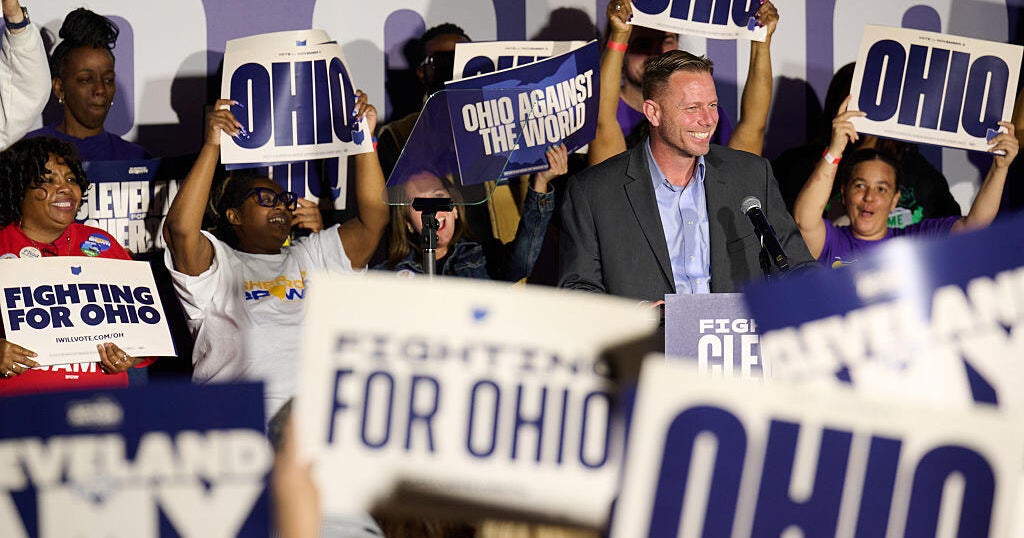
- The Lead: Republican Rep. Max Miller was defeated in his bid for reelection in Ohio's 7th Congressional District by Democrat Brian Poindexter.
- The Context: Miller's campaign was significantly impacted by accusations of domestic abuse against his ex-wife and young daughter.
- The Impact: The loss represents a high-profile defeat for the GOP in a traditionally Republican-leaning district, potentially signaling voter concerns beyond party affiliation.
- What's Next: Attention will now turn to the implications for future races in the district and potential fallout within the Republican party regarding candidate vetting.
In a development that has sent ripples through the Republican party, incumbent Congressman Max Miller has lost his bid for reelection in Ohio's 7th Congressional District. The defeat, announced following the tallying of votes, saw challenger Brian Poindexter, a Democrat, emerge victorious in a race that was significantly defined by serious allegations of domestic abuse leveled against Miller by his ex-wife concerning their young daughter.
This outcome in a district that has reliably sent Republicans to Washington raises immediate questions about voter sentiment, the efficacy of campaign messaging in the face of personal scandal, and the broader implications for candidate vetting within the GOP. The Azeem USA Briefing breaks down the key factors behind this unexpected result and what it signifies for the political landscape.
The Upset in Ohio: What We Know So Far
The final vote counts confirmed a significant victory for Democrat Brian Poindexter, unseating the sitting Republican representative, Max Miller. While specific vote margins are still being finalized by election officials, the trend indicated a clear mandate for change in Ohio's 7th District. Miller, who had sought to secure another term, faced a challenging electoral environment that was heavily influenced by public accusations of domestic abuse.
These allegations, which Miller has broadly denied or sought to contextualize, became a central theme of the campaign. Political analysts suggest that the persistence and nature of these claims resonated with a segment of the electorate, ultimately contributing to the incumbent's downfall. The immediate catalyst appears to be the direct impact of these accusations on voter perception, overshadowing traditional party platforms and policy debates.
The Challenger's Path
Brian Poindexter's campaign strategy likely capitalized on the controversy surrounding Miller, framing the election as a choice between established party politics and a rejection of conduct deemed unacceptable by voters. His ability to mobilize voters, particularly those potentially disillusioned by the incumbent's personal issues, proved decisive.
“The outcome in Ohio's 7th suggests that serious accusations of domestic abuse can transcend partisan loyalties, forcing voters to confront difficult ethical considerations.”
The Shadow of Allegations: How We Got Here
The roots of this electoral outcome are deeply entwined with allegations of domestic abuse that surfaced against Representative Max Miller. Reports detailed accusations from his ex-wife concerning his behavior towards her and their young daughter, claims that Miller has contested. These allegations were not new to the political discourse surrounding Miller, having been present in previous contexts, but they gained heightened prominence during the reelection campaign.
The historical context for such accusations in political races is varied. While some candidates have weathered similar storms, others have seen their careers derailed. In this instance, the severity and personal nature of the claims appear to have created an insurmountable hurdle for Miller, impacting his ability to connect with voters on other issues and potentially alienating a critical mass of the electorate who prioritize personal conduct.
Party Endorsements and Scrutiny
The Republican party's endorsement of Miller, despite these ongoing controversies, now faces renewed scrutiny. Questions are being raised about the extent of due diligence and the criteria used for supporting candidates when such serious allegations are part of their public record. The district's Republican leanings suggest that Miller's defeat was not simply a party-line swing but a specific rejection influenced by personal factors.
Reactions and Political Fallout
Following the news of Representative Max Miller's defeat, initial reactions from political circles have been swift. While some Democrats are celebrating what they view as a victory for accountability, Republicans are left to analyze the implications for future elections. The outcome in Ohio's 7th District is likely to spark internal discussions within the GOP about candidate selection and the potential electoral costs of controversies surrounding personal behavior.
Market reactions, while not directly tied to this specific congressional race, are part of a broader sentiment regarding political stability and the direction of key parties. For the Republican party, this loss in a traditionally safe seat could signal a need to re-evaluate how candidates with significant personal baggage are supported or vetted. The impact on Miller's legislative agenda, which was already in flux due to the campaign, is now definitively concluded.
Community and Constituent Response
Within Ohio's 7th District, the election results reflect a complex sentiment among constituents. While some voters may have prioritized party loyalty, a significant portion evidently felt that the allegations against Miller were a disqualifying factor. The victory for Poindexter suggests a desire for a representative whose personal conduct is perceived as beyond reproach.

Accountability and Electability: The Competing Arguments
The central tension in this election revolved around the balance between a candidate's political platform and their personal conduct. Supporters of Representative Miller likely argued that his policy positions and party affiliation should have taken precedence, emphasizing his voting record and legislative goals. They may have viewed the allegations as unsubstantiated or as a distraction from substantive political issues.
Conversely, the arguments that led to Miller's defeat hinged on the principle of accountability. Opponents and a significant segment of voters appear to have concluded that the seriousness of the domestic abuse allegations rendered him unfit for public office, regardless of his political achievements or party affiliation. This perspective prioritizes a candidate's character and ethical standing as fundamental requirements for representation.
The Risk of Allegations
The election outcome serves as a stark reminder of the risks associated with candidates facing serious personal allegations. For any party, supporting such candidates involves a calculated gamble: the potential for alienating a crucial segment of the electorate who are unwilling to overlook character concerns. The defeat of Miller suggests that, in this instance, the risk materialized into a tangible electoral loss.
Looking Ahead: What Happens Next
With Max Miller's defeat, the political landscape of Ohio's 7th District is set for a change. Brian Poindexter will now prepare to take office, facing the challenge of representing a district that has historically leaned Republican. His ability to govern effectively and build consensus across partisan lines will be closely watched, especially given the context of his victory.
For the Republican party, this election serves as a critical case study. Future candidate recruitment and vetting processes may be re-examined to determine how to navigate similar situations. The broader implications extend to national races, where similar controversies could arise, forcing parties to make difficult decisions about candidate support and public perception.
Future Electoral Signals
The results from Ohio's 7th District will undoubtedly be analyzed by strategists across the country. It could influence how campaigns approach allegations of personal misconduct and how voters weigh character against party loyalty in future electoral contests. The coming months will reveal the extent to which this outcome sets a precedent for other races.
🎯 The Bottom Line
The Bottom Line: The defeat of Representative Max Miller in Ohio's 7th District underscores the profound impact that serious personal allegations, particularly those involving domestic abuse, can have on electoral outcomes, even in traditionally favorable territory for a party. It signals a potential shift in voter priorities, where character and accountability may increasingly weigh against partisan affiliation.
As we move forward, the lessons learned from this race will likely inform campaign strategies and candidate selection processes within both major parties. The Azeem USA Briefing will continue to monitor the evolving political dynamics and their impact on American governance.
Subscribe to The Azeem USA Briefing for in-depth analysis of the stories shaping America.
📬 Reader Q&A: Key Questions Answered
Q: Who is Brian Poindexter?
Brian Poindexter is the Democratic challenger who defeated incumbent Republican Rep. Max Miller in Ohio's 7th Congressional District.
Q: What were the main reasons for Max Miller's defeat?
Rep. Max Miller's defeat was significantly influenced by serious allegations of domestic abuse made against him.
Q: Is Ohio's 7th District considered a safe Republican seat?
Historically, Ohio's 7th Congressional District has been considered a Republican-leaning district, making Miller's loss a notable upset.
Q: Did Max Miller respond to the allegations?
Yes, Representative Miller has broadly contested or sought to contextualize the allegations made against him.
Q: What does this election mean for the Republican party?
The outcome may prompt the Republican party to re-evaluate its candidate vetting processes and the electoral risks associated with candidates facing significant personal controversies.
Comments
Post a Comment