A Silicon Valley startup achieves a pivotal moment, offering a tangible experience of a long-held futuristic dream.
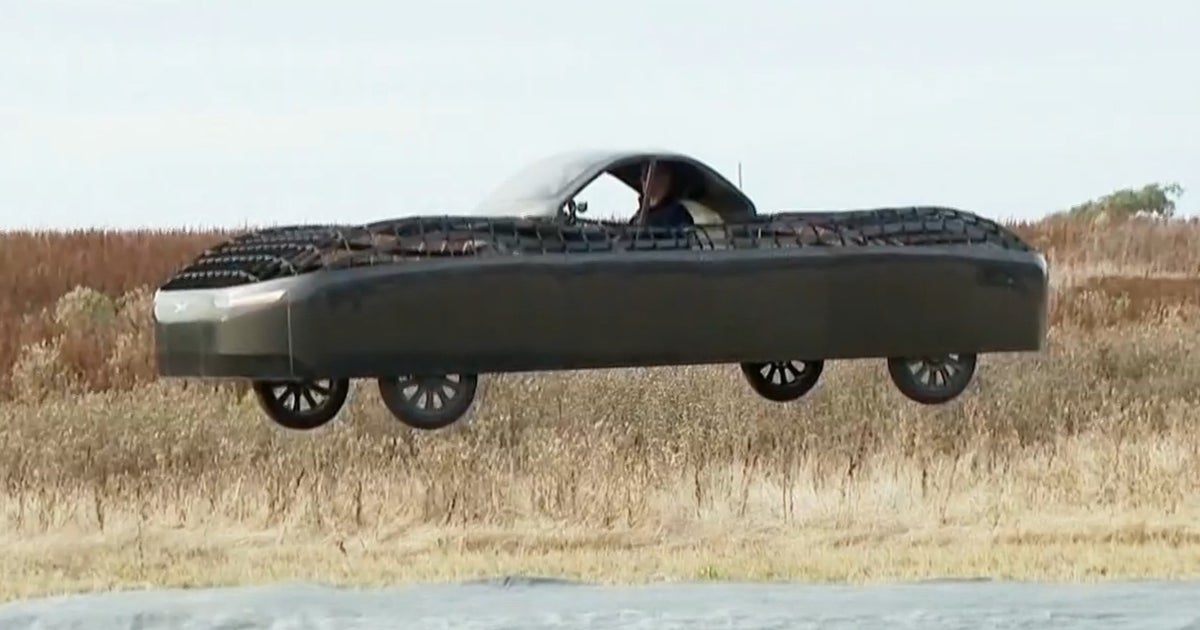
- The Lead: Bay Area startup Alef has successfully conducted a ride in its electric vertical takeoff and landing (eVTOL) vehicle, offering a real-world demonstration of its 'flying car' concept.
- The Context: The company has spent over a decade developing its unique design, aiming to integrate personal aviation into urban environments.
- The Impact: This milestone could accelerate regulatory approvals and public acceptance of personal aerial vehicles, potentially reshaping urban mobility.
- What's Next: Watch for further regulatory milestones from the FAA and potential commercial development timelines from Alef.
The hum of electric rotors and a clear view of the landscape below marked a pivotal moment this week as Alef, a Bay Area startup, offered a ride in its groundbreaking 'flying car.' For over a century, the concept of personal aerial vehicles has captured the public imagination, appearing in countless futuristic visions. Now, after more than a decade of dedicated development, Alef has managed to move this idea from the realm of imagination into a tangible, albeit nascent, reality.
This demonstration flight signifies more than just a technological achievement; it represents a potential inflection point for urban transportation. As cities grapple with increasing congestion and the demand for more efficient, sustainable travel solutions, the prospect of vertical takeoff and landing vehicles could fundamentally alter how we commute. This briefing delves into what happened, the journey to this point, the immediate reactions and challenges, and what this means for the future of personal flight.
A Flight into Reality: The First Ride
The experience, captured by CBS News, offered a rare firsthand look at Alef's electric vertical takeoff and landing (eVTOL) vehicle in action. Piloted by the company’s founder and CEO, Jim Dukhovny, the demonstration showcased the vehicle’s ability to lift off vertically, hover, and navigate the air, providing a bird's-eye perspective of the surrounding environment. This isn't just a conceptual rendering or a static prototype; it’s a machine that has achieved flight, fulfilling a key promise of its design.
The Alef Model A, as it is known, is designed with a unique aesthetic, appearing somewhat like a sleek, enclosed pod with integrated propulsion systems. Its all-electric nature aligns with the growing global push towards sustainable transportation. The successful demonstration is a critical step in validating the company's engineering and design, moving it closer to potential commercialization and, crucially, regulatory approval.
The Bird's-Eye View
The narrative of this flight is deeply intertwined with the visual of looking down upon the world from above in a personal vehicle. This perspective is not just about the novelty but about the potential for bypassing ground-level traffic and infrastructure constraints, offering a more direct and potentially faster mode of travel within urban and suburban landscapes.
“The era of the flying car, once a distant fantasy, is now taking its first tentative, but significant, real-world steps.”
Decades in the Making: The Genesis of Alef
Alef's journey began 11 years ago, fueled by a vision to reimagine personal transportation. Unlike many concepts that focus solely on aircraft capabilities, Alef has aimed to create a vehicle that could also function on the road, blurring the lines between car and aircraft. This dual-mode aspiration presents significant design and engineering challenges, but also offers a compelling proposition for practical, everyday use.
The company's persistence has led to significant milestones, including the acquisition of a Special Airworthiness Certificate from the Federal Aviation Administration (FAA). This certificate is crucial, allowing Alef to operate its aircraft for specific purposes, including testing and demonstrations, within designated airspace. It signifies a level of progress recognized by aviation authorities, a necessary precursor to broader public access.
A Unique Design Philosophy
The Alef Model A's design is a departure from typical eVTOL concepts. Instead of multiple exposed rotors, it features a more integrated, enclosed propulsion system. This approach is intended to enhance safety, reduce noise, and potentially improve aerodynamics, while also giving it a more car-like appearance when stationary, a key element for its dual-purpose goal.
Navigating the Skies: Reactions and Regulatory Hurdles
The successful flight has generated considerable excitement among aviation enthusiasts and futurists, reigniting discussions about the feasibility and timeline for flying cars. However, the path forward is fraught with regulatory complexities. The FAA's Special Airworthiness Certificate is a significant achievement, but it is specifically for testing purposes and does not grant permission for widespread commercial operation or passenger transport.
Key players in the aviation industry and regulatory bodies are closely watching developments like Alef's. The FAA, in particular, is working to establish comprehensive frameworks for eVTOL operations, addressing safety standards, air traffic management, and pilot training. The integration of these new vehicles into existing airspace requires careful planning to avoid conflicts with traditional air traffic and to ensure public safety.
Market and Investor Interest
The demonstration is likely to attract further investment and bolster confidence among early adopters who have already placed pre-orders. The narrative of a functional flying car, even in its early stages, is a powerful draw for venture capital and strategic partnerships, essential for scaling production and navigating the lengthy certification processes.

The Future of Urban Mobility: Promises and Pitfalls
The promise of flying cars is immense: reduced travel times, the ability to bypass ground congestion, and a more direct connection between disparate urban locations. For cities, this could mean a decongestion of roadways and new opportunities for development and connectivity. Imagine commuting from a suburban home to a downtown office without ever touching a highway, or emergency services reaching critical locations faster.
However, the pitfalls are equally significant. The infrastructure required for widespread adoption – charging stations, vertiports, and advanced air traffic control systems – will be substantial and costly. Noise pollution, safety concerns for those on the ground, and the potential for exacerbating urban sprawl if not managed carefully are critical considerations. Furthermore, the cost of such vehicles, at least initially, is expected to be high, raising questions about accessibility and equity.
The Environmental Equation
While Alef's vehicle is all-electric, the broader environmental impact of a future filled with flying vehicles will depend on the source of electricity generation and the overall energy consumption. The increased demand on power grids and the manufacturing footprint of these advanced machines will need careful assessment to ensure they represent a net positive for sustainability.
What's on the Horizon for Personal Flight?
Alef's successful flight is a powerful indicator, but it is one piece of a much larger puzzle. The company, like many others in the burgeoning eVTOL sector, faces a long road ahead. Key upcoming milestones will include further flight testing, refining the vehicle's performance and safety systems, and progressing through the FAA's certification process for commercial operations.
Beyond Alef, the entire industry is watching closely. The success of early pioneers will pave the way for others, potentially leading to a competitive landscape that drives innovation and lowers costs. The regulatory environment will continue to evolve, shaped by these real-world demonstrations and the ongoing dialogue between industry and authorities. The ultimate goal is not just a single flight, but the safe, efficient, and accessible integration of personal aerial vehicles into the fabric of daily life.
Key Milestones to Track
Observers will be looking for updates on Alef's production timelines, any new FAA certifications beyond the current special permit, and partnerships that could facilitate the development of necessary infrastructure. The journey from a demonstration flight to a common sight in the sky is complex, but this week's event marks a significant step toward that future.
🎯 The Bottom Line
The Bottom Line: Alef's successful flight demonstrates that the 'flying car' is no longer purely a figment of imagination, but a tangible technological pursuit with significant potential to reshape transportation. While regulatory hurdles and infrastructure challenges remain substantial, this milestone ignites renewed optimism and scrutiny for the future of personal aerial mobility.
This is just the beginning of a long and complex journey, but for those who have dreamed of soaring above traffic, the view from Alef's vehicle this week offered a compelling glimpse of what might be possible tomorrow. We will continue to monitor this evolving story and its implications for how we move.
Subscribe to The Azeem USA Briefing for daily insights into the stories shaping our world.
📬 Reader Q&A: Key Questions Answered
Q: What exactly is Alef's 'flying car'?
Alef's vehicle, the Model A, is an all-electric vertical takeoff and landing (eVTOL) aircraft designed with the capability to also drive on roads, aiming for dual-mode transportation.
Q: Has the FAA approved flying cars for public use?
The FAA has granted Alef a Special Airworthiness Certificate for testing and demonstration purposes. This is a crucial step, but it does not yet permit general public use or commercial passenger transport.
Q: How long did it take Alef to develop this vehicle?
Alef has spent 11 years developing its flying car concept, working from initial designs to functional prototypes.
Q: What are the main challenges for flying cars?
Major challenges include obtaining full regulatory approval from aviation authorities like the FAA, developing safe and efficient air traffic management systems, establishing necessary ground infrastructure (like vertiports), and addressing public perception and safety concerns.
Q: When can I expect to ride in a flying car?
Widespread public access to flying cars is still some years away. It depends on overcoming significant regulatory, technological, and infrastructure challenges. Alef aims for commercial availability in the coming years, but timelines are subject to change.
Comments
Post a Comment