Senator Susan Collins alleges a national Democratic strategy of misinformation targets her re-election bid as polls show a dead heat.
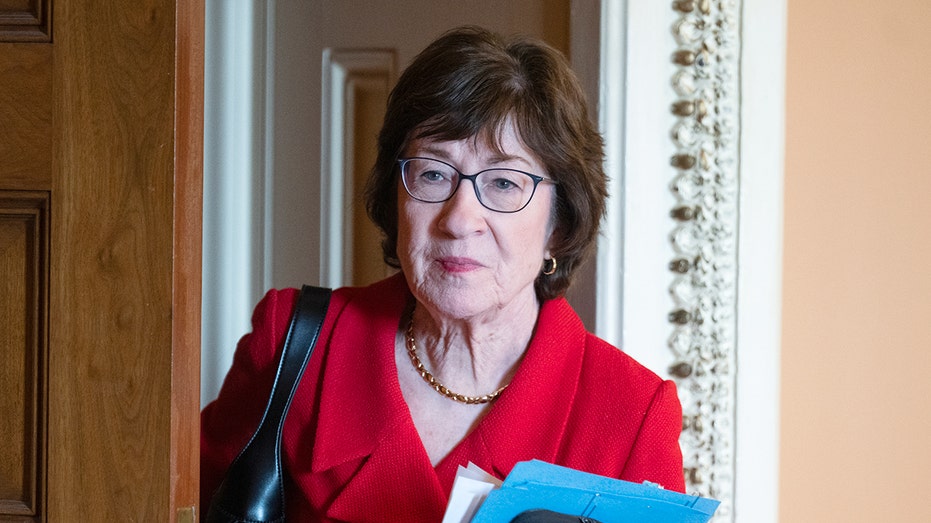
- The Lead: Senator Susan Collins has accused Senate Majority Leader Chuck Schumer's allies of running attack ads in Maine containing 'outright lies'.
- The Context: The accusations surface as Collins faces a tight re-election battle, with a recent Fox News poll indicating a 49-49 tie.
- The Impact: The dispute highlights the increasingly aggressive nature of campaign messaging and the nationalization of local political races.
- What's Next: Continued scrutiny of campaign advertising and voter response to the accusations will be critical in the coming weeks.
In the heart of a fiercely contested Maine Senate race, Senator Susan Collins has ignited a firestorm, directly accusing Senate Majority Leader Chuck Schumer and his allies of deploying campaign advertisements filled with 'outright lies'. The Republican incumbent, fighting for re-election in a state that has trended more Democratic in recent cycles, frames the barrage of negative messaging as a deliberate national strategy to obscure local concerns and manipulate voter perception.
This sharp exchange occurs as polling data indicates an exceptionally close contest, underscoring the critical nature of campaign rhetoric and its potential to sway undecided voters. The Azeem USA Briefing dives into the substance of Collins's claims, the broader political context, and what this escalating conflict signifies for the trajectory of the Senate battleground.
Collins's Accusations: 'Outright Lies' Surface in Maine
Senator Susan Collins, a five-term Republican known for her independent streak, did not mince words when addressing the current advertising blitz targeting her campaign. Speaking out, she asserted that the ads, allegedly funded by groups aligned with Senate Majority Leader Chuck Schumer, are not merely critical but are fundamentally dishonest. Collins contends that these advertisements distort her record and misrepresent her positions on key issues, employing a tactic she believes is designed to mislead the electorate in her home state.
The senator specifically pointed to what she described as a national playbook being executed in Maine, aiming to nationalize the election and pivot attention away from bread-and-butter issues that directly affect Mainers. This strategy, according to Collins, aims to paint her with a broad brush, linking her to national Republican figures or policies in a way that she argues is inaccurate and unfair, especially given her history of bipartisan engagement.
The Nature of the Attack Ads
While specific ad content was not detailed in initial reports, Collins's characterization suggests a focus on character assassination and factual misrepresentation rather than policy debate. This approach, if proven, represents a significant escalation in the already intense political climate surrounding her re-election bid.
“Democrats are using a national political strategy to distract voters from local issues, while the latest Fox News poll shows her Maine Senate race tied at 49%.”
The National Playbook: How We Got Here
The accusation that national party leaders are orchestrating attacks in key Senate races is a recurring theme in American politics. Senate Majority Leader Chuck Schumer has historically played a central role in defending and expanding the Democratic Senate majority, often mobilizing significant financial resources and strategic messaging campaigns against Republican incumbents in competitive states. Maine, with its independent-leaning electorate and its pivotal role in the national balance of power, has long been a focal point for such efforts.
Senator Collins, despite her moderate image and occasional bipartisan work, remains a target for Democrats seeking to capitalize on a shifting political landscape. Her voting record, particularly on judicial appointments and economic policies, has been scrutinized and often opposed by national Democratic strategists. The current strategy appears to be an effort to consolidate opposition by portraying her as out of step with the state's broader political leanings, a tactic often employed when a direct policy-based attack is perceived as less effective.
Historical Precedent in Maine
Maine has witnessed intense, often nationally-backed, Senate campaigns in the past. The current situation echoes previous battles where national party committees and aligned Super PACs have poured millions into advertising, shaping the narrative and defining candidates before voters head to the polls.
Race Tightens: Polls and Political Fallout
The timing of Collins's strong denunciation of the attack ads is particularly noteworthy. A recent Fox News poll places the race in a statistical dead heat, with both Collins and her Democratic challenger, according to general reporting, polling at 49%. This razor-thin margin underscores the critical importance of every campaign message and voter interaction in the final stretch. The poll suggests that the incumbent's efforts to differentiate herself may be facing headwinds, or that the challenger's campaign is gaining traction.
The political fallout from Collins's accusations could be significant. By directly naming Schumer and accusing his allies of disseminating 'lies,' she is attempting to frame the election not just as a choice between candidates, but as a referendum on the integrity of the opposition's campaign tactics. This could energize her base and potentially alienate some swing voters who are turned off by aggressive, allegedly dishonest, political advertising.
Voter Perception and Media Scrutiny
The media's role in scrutinizing these claims and the advertising itself will be crucial. News organizations will face pressure to fact-check the ads and report on the substance of Collins's allegations, adding another layer of complexity to an already volatile electoral environment.

The Competing Narratives: Truth vs. Strategy
At the core of this dispute lies a fundamental tension between campaign strategy and the pursuit of truth in political discourse. Senator Collins argues that the Democratic strategy is inherently flawed because it relies on deception to achieve its aims, diverting attention from substantive policy discussions that should be at the forefront of the campaign. Her approach emphasizes her record and her commitment to Maine's specific interests, positioning her as a pragmatic voice against national partisan extremism.
Conversely, the strategy attributed to Schumer and his allies appears to prioritize winning by defining the opponent in the most unfavorable light possible, regardless of the perceived accuracy of the claims. In highly polarized environments, such tactics are often seen as effective because they can mobilize a party's base and sow doubt among the opponent's supporters. The argument for this approach is that in a close race, effectively defining the opponent as unacceptable, even if through exaggerated or misleading claims, can be enough to secure victory.
The Risk of Oversimplification
The danger in such campaigns is that voters may be presented with overly simplistic or distorted portrayals, making informed decision-making more challenging. The accusation of 'outright lies' directly challenges the ethical boundaries of political campaigning.
Looking Ahead: What the Campaign Trail Holds
As the election cycle progresses, the effectiveness of Senator Collins's counter-offensive will be a key indicator of the race's direction. Her ability to rally support by highlighting what she perceives as dishonest tactics could prove potent, particularly among voters who value integrity. However, the sheer volume and reach of national advertising campaigns mean that the negative messaging may continue to saturate the airwaves, potentially drowning out her defense.
The coming weeks will likely see further scrutiny of the advertising in question, with fact-checkers and political analysts dissecting the claims made. The Democratic campaign, while not directly responding to Collins's accusations in the initial reports, will likely continue its strategy, aiming to maintain pressure on the incumbent. The outcome in Maine will not only decide its Senate seat but could also serve as a bellwether for the broader national mood and the efficacy of different campaign strategies in a divided America.
Upcoming Milestones
Voter turnout in early voting periods and any further polling shifts will provide critical signals about how these accusations and the broader campaign narrative are resonating with the electorate.
🎯 The Bottom Line
The Bottom Line: Senator Collins's direct confrontation with Senate leadership over campaign advertising tactics elevates the stakes in her crucial re-election bid. As the race tightens, the battle over truth and strategy will likely intensify, with significant implications for the national political landscape and the integrity of electoral discourse.
Stay tuned to The Azeem USA Briefing for continued coverage of this pivotal Senate race and its broader impact on American politics. We are committed to providing you with the context and analysis you need to understand the forces shaping our nation.
Subscribe to The Azeem USA Briefing for daily insights and analysis.
📬 Reader Q&A: Key Questions Answered
Q: Who is Senate Majority Leader Chuck Schumer?
Chuck Schumer is the senior United States Senator from New York and serves as the Majority Leader of the Senate, holding significant influence over the legislative agenda and Democratic Party strategy.
Q: What is Senator Susan Collins's political affiliation?
Senator Susan Collins is a Republican representing the state of Maine. She is known for her independent voting record and has often worked across the aisle.
Q: Why is the Maine Senate race considered important?
Control of the U.S. Senate is often decided by narrow margins, and competitive races in states like Maine are crucial for determining which party holds the majority and, consequently, the balance of power in Washington.
Q: What does 'nationalizing' a race mean?
Nationalizing a race means framing the election around national issues, party platforms, or the perceived performance of national leaders, rather than focusing primarily on local concerns or the specific qualifications of the candidates.
Q: How do attack ads typically function in campaigns?
Attack ads are designed to damage an opponent's reputation or public image by highlighting perceived flaws, negative voting records, or controversial statements. They aim to dissuade voters from supporting the targeted candidate.
Comments
Post a Comment