The partner of the disgraced Theranos CEO breaks his silence on his depiction in a widely-viewed documentary, raising questions about narrative control.
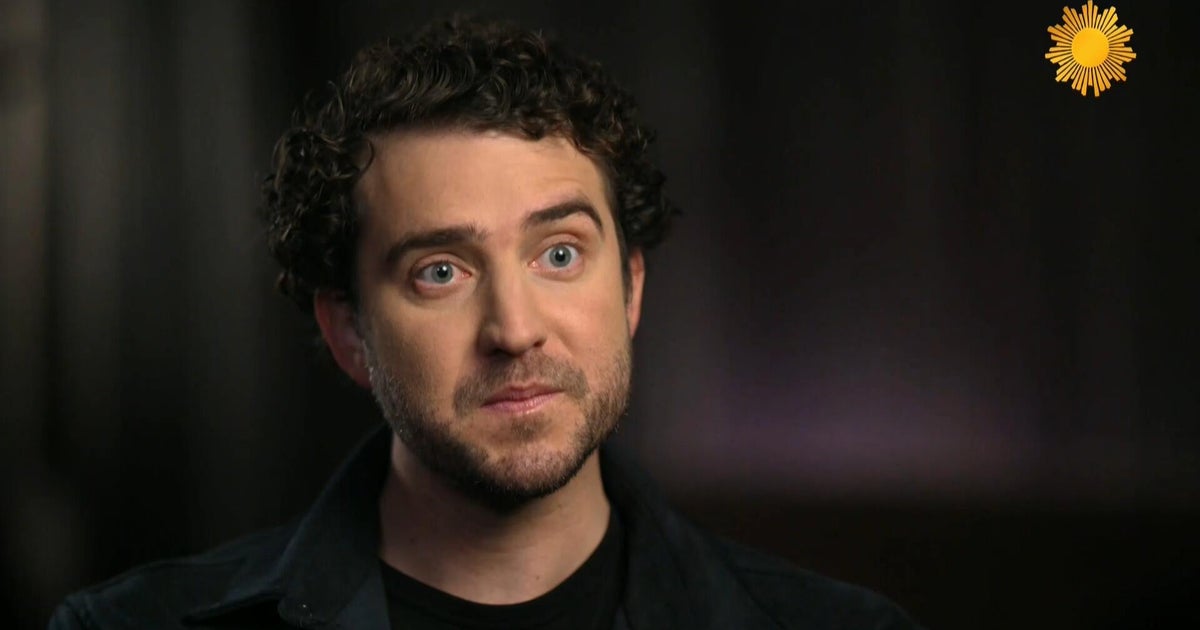
- The Lead: Billy Evans, partner of Theranos founder Elizabeth Holmes, has described his portrayal in a recent documentary as "crazy."
- The Context: The documentary offers an in-depth look at the rise and fall of Theranos and its key figures, including Holmes and her inner circle.
- The Impact: Evans' comments highlight the ongoing public fascination with the Theranos story and the subjective nature of documentary filmmaking.
- What's Next: Further reflections from Evans and potentially other figures involved in the Theranos case may shed more light on the events.
In the aftermath of one of Silicon Valley's most spectacular flameouts, the personal lives of those entangled in the Theranos scandal continue to draw public attention. Billy Evans, the partner of disgraced Theranos CEO Elizabeth Holmes, has broken his silence regarding his depiction in a recent, widely-discussed documentary. Speaking to "CBS Sunday Morning," Evans offered a stark assessment of his portrayal, calling it "crazy" and signaling a desire to present a different facet of the story.
This intervention by Evans comes at a time when the Theranos narrative has largely been cemented in the public consciousness through documentaries, books, and Holmes' own high-profile trial. His comments raise crucial questions about the subjective nature of documentary storytelling, the challenges of capturing complex personal relationships amidst fraud, and the ongoing impact of the Theranos saga on those closest to it. This briefing examines Evans' remarks, revisits the core elements of the Theranos story, and considers the implications of differing perspectives.
Evans Speaks Out: A Personal Account
Billy Evans, who has been a steadfast presence for Elizabeth Holmes, notably during her trial and subsequent conviction, shared his feelings about his portrayal in a documentary that delves into the rise and fall of Theranos. While the specific documentary was not named in the initial reporting, the context suggests it is one of the prominent features that have chronicled Holmes' journey from Silicon Valley wunderkind to convicted fraudster. Evans' direct quote, describing the depiction as "crazy," suggests a significant disconnect between his lived experience and the narrative presented on screen.
This is a rare public statement from Evans on the matter. He has largely remained out of the public spotlight, offering support to Holmes privately. His willingness to speak, even briefly, indicates a potential shift in his approach to the public perception surrounding him and Holmes, perhaps driven by a feeling that the documentary's portrayal misrepresents his role or the realities of their situation.
The Nature of the Portrayal
While details of the specific scenes or characterizations that Evans found "crazy" were not elaborated upon, his reaction implies that the documentary may have presented him in a light that he feels is inaccurate, sensationalized, or fails to capture the nuances of his relationship with Holmes or his own perspective during the tumultuous period of Theranos's collapse.
“It's just, like, crazy. I don't know how else to describe it.”
The Theranos Saga: A Refresher
The story of Theranos is a cautionary tale of ambition, deception, and technological overreach. Founded by Elizabeth Holmes at age 19, the company promised to revolutionize blood testing with its proprietary "Edison" machines, capable of performing a wide array of tests from a single drop of blood. Theranos attracted billions in investment, courted high-profile board members, and achieved a valuation of $9 billion, with Holmes hailed as the next Steve Jobs.
However, the technology never worked as advertised. Investigations by journalists, particularly at The Wall Street Journal, revealed that Theranos was misleading investors, regulators, and the public about the capabilities of its devices. The company's blood-testing practices were found to be unreliable and often used modified commercial machines rather than its own technology. This led to federal investigations, criminal charges for fraud, and the eventual dissolution of the company.
The Key Players and Their Fate
Elizabeth Holmes was convicted on multiple counts of wire fraud and conspiracy in January 2022 and is currently serving her prison sentence. Her former second-in-command and ex-boyfriend, Ramesh "Sunny" Balwani, was also convicted on similar charges and is serving his sentence separately. Billy Evans, as Holmes' partner, remained a figure of interest but largely outside the direct legal proceedings until now, through his association with Holmes.
Documentary Narratives and Reality
Documentaries, by their nature, often aim to construct a compelling narrative, which can involve selecting specific perspectives, framing events in a particular light, and using editing to shape the audience's perception. The Theranos story, with its dramatic arc of innovation, betrayal, and downfall, is fertile ground for such storytelling. Multiple documentaries have explored the saga, each offering a distinct lens through which to view the events and the characters involved.
Evans' statement suggests that the documentary he watched may have prioritized dramatic impact or a particular interpretation of events over a balanced or factually complete representation from his viewpoint. The term "crazy" implies a level of distortion or exaggeration that he found jarring. This highlights a common tension in non-fiction filmmaking: the balance between artistic license and journalistic integrity, especially when dealing with sensitive personal stories and ongoing public interest.
The Subjectivity of 'Truth'
When individuals involved in a high-profile event speak out against their portrayal, it often serves as a reminder that behind the headlines and the documented facts, there are complex human emotions, relationships, and personal interpretations of events. Evans' critique invites viewers to consider the multiple layers of reality and perception that surround the Theranos narrative.

The Partner's Perspective: Stakes and Scrutiny
Billy Evans occupied a unique position as Elizabeth Holmes' partner during the most critical phases of the Theranos scandal and its aftermath. While not directly involved in the company's day-to-day operations or the alleged fraudulent activities in a managerial capacity, his proximity to Holmes meant he was privy to aspects of her life and the unfolding crisis. His role as a supporter, particularly during her trial, positioned him as a key figure in the periphery of the public drama.
His decision to speak out, even with a brief but emphatic statement, suggests that the public narrative, as amplified by documentaries, has reached a point where he feels compelled to address it. This could stem from a desire to protect his own reputation, offer a more sympathetic view of Holmes, or simply to correct what he perceives as inaccuracies. The stakes for him involve navigating his personal life under the shadow of a massive corporate fraud case that captivated global attention.
Navigating Public Perception
For partners or family members of individuals embroiled in major scandals, public perception can be a significant burden. Evans' comments underscore the challenge of maintaining privacy and personal integrity when one's life is intertwined with a story that has become a cultural phenomenon, often simplified and sensationalized for mass consumption.
Looking Ahead: The Lingering Shadow
The Theranos saga continues to cast a long shadow, influencing discussions on Silicon Valley's culture of hype, regulatory oversight, and the ethical responsibilities of entrepreneurs. The legal battles may be largely concluded, but the human and societal repercussions are still unfolding, as evidenced by Evans' recent remarks. His critique of his documentary portrayal is likely not an isolated incident; as time passes, other individuals connected to the story may also feel emboldened to share their perspectives.
The ongoing public interest in Theranos suggests that the story resonates deeply, perhaps as a modern fable about the perils of unchecked ambition and the fragility of innovation built on deception. Evans' intervention adds another layer to this complex narrative, reminding us that behind every headline and every documentary, there are individuals whose lives are profoundly shaped by these events, each with their own version of the truth.
Signals to Watch
As more personal accounts emerge, audiences will have a richer, albeit potentially more fragmented, understanding of the Theranos story. The key will be to critically assess these narratives, recognizing the inherent subjectivity while seeking the underlying truths about ambition, accountability, and the human cost of corporate malfeasance.
🎯 The Bottom Line
The Bottom Line: Billy Evans' assertion that his portrayal in a Elizabeth Holmes documentary is "crazy" highlights the persistent human element within the Theranos narrative and the subjective nature of documentary storytelling. As the public remains fascinated by the saga, these personal accounts offer a crucial, though often biased, counterpoint to the established facts of fraud and conviction.
The Azeem USA Briefing will continue to monitor any further developments from individuals connected to the Theranos case and the ongoing impact of these high-profile scandals. Stay informed with our comprehensive daily updates.
Subscribe to The Azeem USA Briefing for daily insights into the stories shaping our world.
📬 Reader Q&A: Key Questions Answered
Q: Who is Billy Evans?
Billy Evans is the partner of Elizabeth Holmes, the founder and former CEO of Theranos. He has been a supportive figure during her legal battles.
Q: What is Theranos?
Theranos was a health technology company founded by Elizabeth Holmes that promised revolutionary blood-testing technology but was later exposed as a massive fraud.
Q: What happened to Elizabeth Holmes?
Elizabeth Holmes was convicted of fraud and conspiracy charges related to her leadership at Theranos and is currently serving a prison sentence.
Q: Why are documentaries about Theranos still relevant?
The Theranos story is a significant case study in Silicon Valley ethics, corporate fraud, and the power of narrative, continuing to capture public and academic interest.
Q: What does it mean for Evans that his portrayal is called 'crazy'?
It suggests Evans believes the documentary misrepresented his role, his actions, or the context of events, indicating a potential conflict between the film's narrative and his personal experience.
Comments
Post a Comment