The Vermont Senator's call for a shift in focus highlights a growing tension within the Democratic party over legislative priorities.
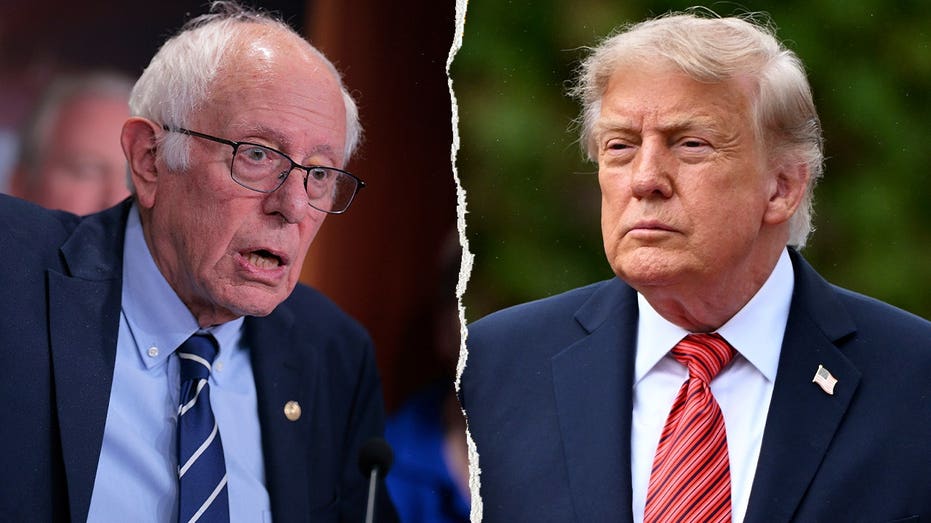
- The Lead: Senator Bernie Sanders advised Democrats to shift their focus from investigating Donald Trump to addressing the economic needs of working-class families.
- The Context: The call comes amid ongoing congressional investigations and debates over legislative agendas, with differing views on how best to engage voters.
- The Impact: Sanders' statement could influence intra-party discussions on strategy and messaging heading into critical election cycles.
- What's Next: Watch for further responses from Democratic leadership and other progressive voices on the balance between oversight and economic policy.
In a pointed message aimed at his own party, Senator Bernie Sanders has issued a strong directive: Democrats must pivot from an all-consuming focus on investigating Donald Trump and instead recommit to championing the economic concerns of working-class Americans. The Vermont independent, a powerful voice in progressive politics, articulated this sentiment with urgency, suggesting the party risks alienating crucial segments of its base if it fails to prioritize issues like affordability and job security.
This intervention underscores a simmering debate within the Democratic party about the most effective strategy for connecting with voters and achieving legislative success. As congressional committees continue their oversight functions, Sanders argues that the party's core message must center on tangible improvements in the lives of everyday citizens, lest the focus on past transgressions overshadow the pressing needs of the present. This briefing examines the senator's remarks, the political context, and what this debate signifies for the future of the Democratic agenda.
Sanders' Call to Action: Shifting the Narrative
Senator Sanders articulated his position clearly, emphasizing that while accountability for alleged wrongdoings is important, it should not eclipse the fundamental economic challenges faced by millions of Americans. His remarks, delivered in a manner characteristic of his long-standing advocacy, called for a strategic reorientation towards issues such as healthcare costs, wages, and job creation. He suggested that a relentless focus on investigations, while potentially satisfying for some political factions, may not be the most effective way to mobilize voters or deliver policy wins.
The senator's appeal is rooted in a deep concern that the party's messaging has become too narrowly defined by its opposition to the former president. He believes that a more proactive and positive economic agenda, directly addressing the financial anxieties of middle- and lower-income families, would resonate more broadly and galvanize support. This strategic recalibration, he argues, is essential for demonstrating the party's relevance and commitment to the daily lives of its constituents.
The Core Message: Prioritizing People's Pockets
At the heart of Sanders' argument is the belief that Democrats must offer concrete solutions to economic hardship. He specifically highlighted the need to discuss policies that lower costs for families, such as prescription drug prices and childcare expenses, framing these as central to the party's mission.
“We have got to be thinking about the working families of this country, not just the Trump administration.”
The Political Landscape: Oversight vs. Economic Agenda
The Democratic party finds itself at a crossroads, balancing the imperative of holding powerful figures accountable with the necessity of presenting a compelling vision for the future. Numerous congressional committees have been deeply engaged in investigations, scrutinizing actions taken during the Trump administration. This oversight function is viewed by many as a critical check on power and a vital component of democratic governance.
However, Sanders' intervention suggests that this focus may be perceived by some voters as an insufficient response to their immediate economic concerns. The senator's perspective taps into a broader debate about political strategy: should the party prioritize exposing perceived past malfeasance, or should it concentrate on articulating and enacting policies that promise future economic improvement? This tension reflects differing philosophies on how best to win elections and govern effectively.
The Balancing Act in Congress
For Democratic leadership, the challenge lies in managing these competing priorities. The demands for oversight are significant, driven by evidence of potential misconduct and a desire to prevent future abuses. Simultaneously, the electoral calendar necessitates a robust platform on economic issues to appeal to a wide range of voters.
Voices of Concern: Why This Matters to Voters
The effectiveness of political messaging is often measured by its ability to connect with the lived experiences of the electorate. For many working-class families, the daily struggle with rising costs, stagnant wages, and economic insecurity takes precedence over complex political investigations. Senator Sanders' remarks tap into this sentiment, suggesting that a political discourse dominated by the intricacies of past controversies may feel distant from the immediate concerns of everyday life.
Analysts suggest that a failure to adequately address these economic anxieties could leave Democrats vulnerable. While investigations can energize certain segments of the base, a sustained focus on economic relief is often seen as crucial for broader electoral success, particularly in swing districts and among independent voters. The senator's warning serves as a reminder that policy substance, particularly on economic matters, remains a powerful driver of voter engagement.
Connecting with the Electorate
The danger, as Sanders implies, is that an overemphasis on investigations might be interpreted by some as a distraction from the pressing economic needs of families struggling to make ends meet. This can lead to perceptions of detachment from the realities faced by ordinary citizens.

Navigating the Divide: The Risks and Rewards
The strategy of focusing heavily on investigations carries both potential benefits and significant risks for the Democratic party. On one hand, it can serve to galvanize the party's base, highlight perceived ethical lapses of opponents, and maintain a degree of political momentum. It can also be seen as a necessary function of democratic oversight, ensuring accountability at the highest levels of government.
However, as Sanders points out, there is a considerable risk of alienating voters who are more concerned with their immediate economic well-being. An intense focus on investigations could be perceived as partisan theater or as a diversion from more pressing issues. This could lead to voter apathy or a shift in support to parties perceived as more focused on economic solutions. The challenge for Democrats is to strike a delicate balance, ensuring accountability without losing sight of the economic platform that is vital for broad appeal.
The Political Calculus
The decision of where to allocate political capital—between oversight and economic policy advocacy—is a strategic one with tangible electoral consequences. Each approach appeals to different voter segments and carries its own set of potential rewards and pitfalls.
Looking Ahead: The Path Forward for Democrats
Senator Sanders' call to action prompts a critical question for the Democratic party: how will it reconcile the demands for accountability with the imperative to address the economic needs of working families? The coming months will likely see continued debate within the party about messaging, legislative priorities, and the optimal strategy for engaging voters in upcoming election cycles.
The senator's intervention is not merely a rhetorical flourish; it represents a significant push to shape the party's direction. How Democratic leaders and strategists respond to this call will offer crucial insights into their understanding of the electorate and their vision for the party's future. The ability to effectively communicate a robust economic agenda, while also maintaining a commitment to oversight, will be a key determinant of their success.
Key Milestones to Watch
Pay attention to how party leaders frame their upcoming legislative pushes and campaign messages. The emphasis placed on economic relief versus continued focus on investigations will be a telling indicator of the party's strategic direction.
🎯 The Bottom Line
The Bottom Line: Senator Bernie Sanders has injected a vital perspective into the Democratic party's strategic discourse, urging a recalibration that places economic concerns for working families at the forefront. While oversight and accountability are critical functions, the senator's warning highlights the potential cost of neglecting the immediate financial anxieties of the electorate.
As the political landscape continues to evolve, the Democratic party faces the complex task of balancing these competing priorities. The effectiveness of their approach in addressing both the need for accountability and the urgent demand for economic relief will be a key factor in their ability to connect with voters and achieve their political objectives. We will continue to monitor these developments closely.
Subscribe to The Azeem USA Briefing for continuous newsroom analysis.
📬 Reader Q&A: Key Questions Answered
Q: What exactly did Bernie Sanders urge Democrats to do?
Senator Bernie Sanders urged the Democratic party to shift its primary focus from extensively investigating Donald Trump to prioritizing economic issues and affordability for working-class families.
Q: Why is this message significant coming from Sanders?
As a prominent progressive voice and long-serving senator, Sanders' call carries weight and can influence intra-party discussions and strategic direction.
Q: What are the potential risks of focusing too much on investigations?
The risks include alienating voters who are more concerned with economic issues, potentially being perceived as partisan, and overshadowing the party's economic policy agenda.
Q: What is the alternative focus Sanders suggests?
Sanders suggests focusing on tangible economic benefits for families, such as lowering costs for healthcare, childcare, and housing, and advocating for better wages and job security.
Q: How might Democrats balance these priorities?
Democrats may need to find ways to conduct necessary oversight while simultaneously communicating a strong, proactive economic platform that directly addresses the concerns of middle and lower-income voters.
Comments
Post a Comment