
Player actions before the national anthem during the WNBA Finals have ignited a national conversation about respect, protest, and sportsmanship.
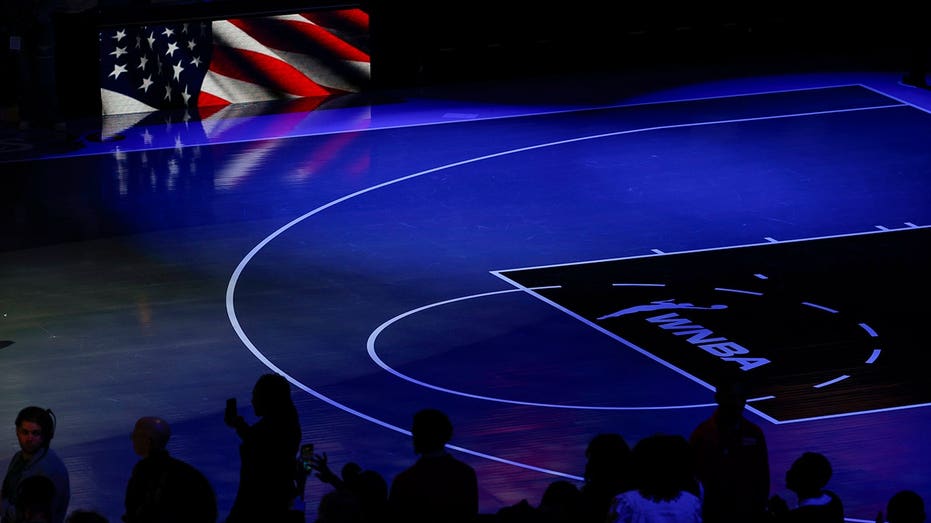
- The Lead: Both the Atlanta Dream and Golden State Valkyries exited the court before the national anthem for all seven WNBA Finals games.
- The Context: The teams' actions have been interpreted by some as a form of protest and by others as disrespectful to national symbols.
- The Impact: The move has generated significant public debate, drawing criticism from some segments of fans and media, and praise from others.
- What's Next: Attention will turn to potential league responses, player statements, and how these actions might influence future seasons and fan engagement.
As the confetti settled on the WNBA season, a different kind of conversation took center stage: the pre-game ritual, or lack thereof, surrounding the national anthem. For every game of the WNBA Finals, the Atlanta Dream and the Golden State Valkyries made the decision to leave the court during the playing of the anthem, sparking a wave of commentary and criticism.
This deliberate action, repeated throughout the championship series, has positioned the league and its players at the forefront of a familiar, yet perennially contentious, debate about respect, protest, and the intersection of sports and national symbols. This briefing breaks down what happened, why it matters, and what it could mean for the future.
What We Know: The Anthem Exits Unfold
The WNBA Finals, broadcast nationally, became a stage for a consistent pre-game demonstration. Reports confirm that for all seven games of the championship series, both the Atlanta Dream and the Golden State Valkyries players and coaching staff exited the court prior to the national anthem being played. This practice was observed consistently, regardless of the game's location or the specific circumstances of the event.
While the teams themselves have not issued a joint official statement detailing the specific intent behind their collective action, the timing and nature of the demonstration have led to widespread interpretation. Many observers view it as a conscious decision to draw attention to social or political issues, a tactic employed by athletes historically. However, the lack of a unified, explicit explanation from the teams has allowed for a broad spectrum of public opinion to emerge.
A Consistent Pre-Game Stance
The consistency across multiple games suggests a coordinated effort, prompting questions about league policy and player autonomy. The visual of empty courts during the anthem has undeniably captured attention, forcing a discussion that extends beyond the box score.
“The WNBA Finals have inadvertently become a focal point for discussions on patriotism, protest, and the role of athletes in public discourse.”
Historical Echoes: Protest and Sports
The actions by the Dream and Valkyries are not without precedent in the annals of sports history. Athletes across various disciplines have long used their platforms to voice dissent or raise awareness for causes they deem important. Most notably, during the 2016 NFL season, then-quarterback Colin Kaepernick began kneeling during the national anthem to protest racial injustice and police brutality, igniting a national firestorm.
This historical context is crucial for understanding the current debate. The symbolism of the national anthem and flag is deeply ingrained in American culture, eliciting strong emotional responses. When athletes engage in actions perceived by some as challenging these symbols, it often triggers a polarized reaction, reflecting broader societal divisions on issues of patriotism, free speech, and civic duty. The WNBA's situation echoes these past controversies, highlighting the enduring tension between athletic expression and perceived national allegiance.
The Athlete as Activist
The legacy of athletes like Muhammad Ali, Jackie Robinson, and more recently, LeBron James, demonstrates a long-standing tradition of athletes leveraging their influence for social change, setting a precedent for contemporary players to engage in similar forms of advocacy.
Reactions and Repercussions: A Divided Response
The decision by the Atlanta Dream and Golden State Valkyries to leave the court during the national anthem immediately drew a swift and varied response from fans, media personalities, and former athletes. Critics often framed the actions as disrespectful to the military, law enforcement, and the nation itself, arguing that sports arenas should be spaces of unity and national pride, especially during the anthem. Social media platforms buzzed with condemnations, with many calling for boycotts or expressing disappointment.
Conversely, supporters defended the players' right to express themselves, highlighting the constitutional freedom of speech and emphasizing that the players' actions were not necessarily anti-American but potentially a call for a more just America. Some pointed to the WNBA's history of social activism among its players and noted that such demonstrations are a form of peaceful protest. This division in public opinion underscores the complexity of the issue, with deeply held beliefs on both sides of the debate.
Political and Market Fallout
While direct financial repercussions for the teams or league are not immediately apparent, the public relations aspect is significant. Sports leagues and teams often navigate a delicate balance between player expression and maintaining a broad fan base, which can include individuals with diverse political viewpoints. The controversy could influence sponsorship deals and fan engagement metrics in the long term.

The Competing Narratives: Patriotism vs. Player Rights
At the heart of the controversy lie two fundamentally different interpretations of the players' actions. One narrative emphasizes patriotism and the sanctity of national symbols. Proponents of this view believe that the national anthem is a moment of solemn respect that all individuals, particularly those in the public eye, should honor without deviation. They argue that players are beneficiaries of the freedoms fought for by service members and that disrespecting the anthem is an affront to their sacrifice.
The counter-narrative champions the principles of free speech and the athlete's right to protest. This perspective posits that players, as citizens, have the right to express their views on matters of social justice and equality. They argue that the anthem itself, and the nation it represents, is a subject for ongoing dialogue and improvement, and that peaceful protest is a vital component of a democratic society. For these individuals, the players' actions are not an act of defiance against the country, but rather an appeal for the country to live up to its ideals for all its citizens.
Navigating the Divide
The challenge for the WNBA, and professional sports leagues in general, is to navigate these competing narratives without alienating significant portions of their audience. Balancing support for player expression with the expectation of national respect remains a delicate tightrope walk.
Looking Ahead: League and Fan Futures
With the WNBA Finals concluded, the focus now shifts to how the league will address this recurring pre-game demonstration. While no immediate penalties were announced, the league office may consider issuing clearer guidelines or engaging in further dialogue with player associations regarding pre-game protocols and player expression. The teams involved, the Atlanta Dream and Golden State Valkyries, will also likely face continued scrutiny and discussion within their fan bases and the broader sports media landscape.
The long-term impact on fan engagement and the league's public image remains to be seen. Will this controversy galvanize a specific segment of the fanbase or deter others? The WNBA has often positioned itself as a league that embraces social consciousness, and how it handles this particular issue will be a significant indicator of its commitment to that identity while also managing the diverse expectations of its supporters. The narrative surrounding player activism in sports is constantly evolving, and the WNBA's latest chapter adds a complex layer to that ongoing story.
Key Milestones to Watch
Expect further statements from team owners, league officials, and potentially player representatives in the coming weeks. Monitoring fan sentiment and media coverage will be crucial for understanding the sustained impact of these actions.
🎯 The Bottom Line
The Bottom Line: The WNBA Finals concluded with a powerful, albeit divisive, statement from the Atlanta Dream and Golden State Valkyries regarding the national anthem. This incident underscores the persistent tension between athletic performance and the platform athletes use for social commentary, sparking robust debate that will likely continue to resonate.
As the league looks towards its next season, the conversations ignited by these pre-game actions will undoubtedly shape discussions around player expression, fan expectations, and the evolving role of sports in national discourse. Thank you for joining us for The Azeem USA Briefing.
Subscribe to The Azeem USA Briefing for daily insights into the stories shaping America and the world.
📬 Reader Q&A: Key Questions Answered
Q: Why did the WNBA teams leave the court during the anthem?
While the teams have not issued a unified official statement, their actions are widely interpreted as a form of protest or a statement on social issues. This practice was observed consistently throughout the WNBA Finals.
Q: What is the historical context of athletes protesting during the anthem?
Athletes have a history of using their platforms for protest, notably Colin Kaepernick's kneeling during the NFL anthem in 2016 to protest racial injustice and police brutality.
Q: How has the public reacted to these actions?
Reactions have been divided. Some view the actions as disrespectful to national symbols and the military, while others defend the players' right to free speech and protest.
Q: Has the WNBA or the teams issued official statements?
As of the conclusion of the Finals, a single, unified official statement from both teams detailing the specific intent has not been widely disseminated. Individual players or organizations may have made comments.
Q: What are the potential long-term implications?
The controversy could impact fan engagement, sponsorship, and the league's public image, highlighting the ongoing challenge of balancing player expression with broad audience expectations.
Comments
Post a Comment