
A heated exchange at the United Nations highlights persistent diplomatic tensions and the ongoing ideological divides between nations.
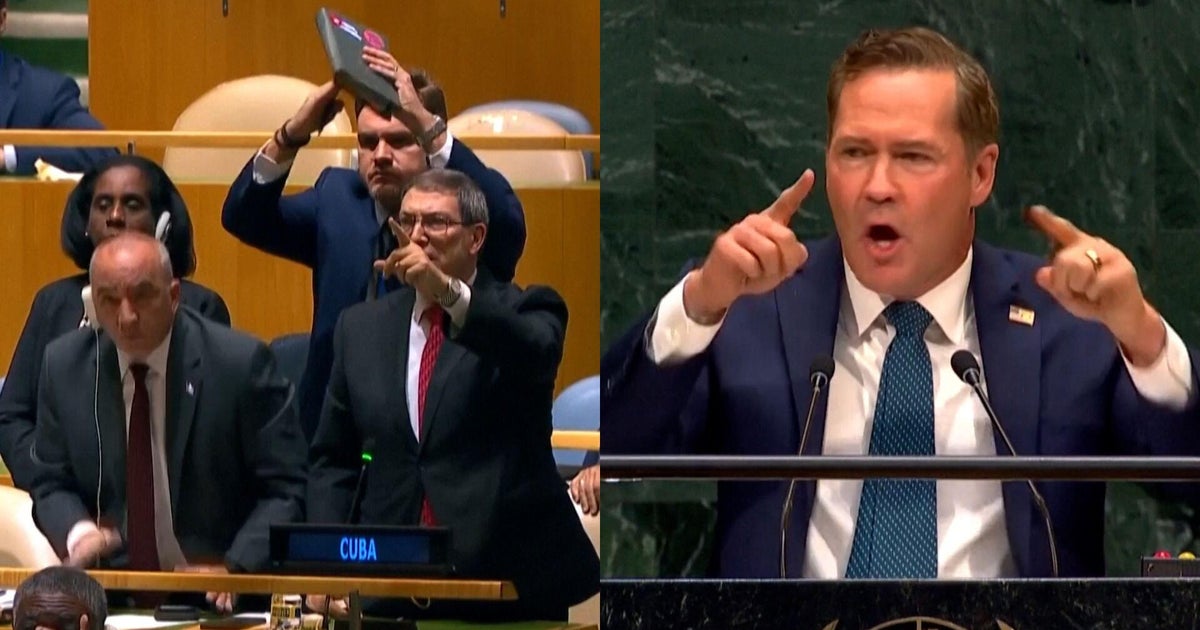
- The Lead: U.S. Ambassador Mike Waltz was reportedly involved in a loud dispute with the Cuban delegation during proceedings at the United Nations.
- The Context: The incident occurred amid ongoing diplomatic friction and historical tensions between the United States and Cuba.
- The Impact: The public nature of the confrontation risks escalating diplomatic tensions and reflects deeply entrenched ideological disagreements.
- What's Next: Observers will be watching for official statements from both nations and any potential impact on broader U.S.-Cuba relations and UN discourse.
In a startling disruption on the floor of the United Nations, U.S. Ambassador Mike Waltz reportedly became engaged in a heated verbal exchange with members of the Cuban delegation. The incident, captured in brief video and reported widely, occurred during proceedings at the UN, transforming a space usually reserved for formal diplomacy into a scene of public discord.
This unexpected confrontation brings into sharp relief the enduring animosities and ideological battles that continue to shape international relations, particularly between the United States and Cuba. This briefing delves into the details of the exchange, its historical context, and the potential ramifications for diplomatic discourse.
The Confrontation: What We Know So Far
Reports indicate that the incident involved U.S. Ambassador Mike Waltz and the Cuban delegation, escalating into a loud dispute. While the precise catalyst and full content of the exchange remain unclear from initial reports, its public nature within the UN's hallowed halls is significant. Video snippets circulating show a tense atmosphere, with voices raised, suggesting a breakdown in diplomatic decorum.
The event occurred during ongoing UN sessions, though details regarding the specific meeting or committee where the confrontation took place have not been widely disseminated. The immediate aftermath saw observers noting the unusual intensity of the exchange, a rare public display of such direct animosity between representatives of member states at this level.
The Unfolding Scene
Sources describe the interaction as a 'shouting match,' indicating a significant departure from standard diplomatic protocol. Such public disagreements, especially within the UN framework, are often indicative of deeper, unresolved issues simmering beneath the surface of formal diplomatic engagement.
“The United Nations floor, typically a stage for measured debate, became a scene of open confrontation, highlighting the enduring animosity between the U.S. and Cuba.”
A History of Friction: The U.S.-Cuba Dynamic
The relationship between the United States and Cuba is long and complex, marked by decades of political estrangement, economic sanctions, and ideological conflict. Since the Cuban Revolution in 1959, the two nations have navigated a challenging path, with periods of thawing relations punctuated by renewed tensions.
U.S. policy towards Cuba has historically centered on issues of democracy, human rights, and national security concerns stemming from the Cold War era. Cuba, in turn, has consistently criticized U.S. sanctions and what it views as interference in its internal affairs. This historical backdrop provides a critical context for understanding any public spat between their representatives.
Precedent and Pattern
While direct shouting matches on the UN floor are uncommon, the underlying tensions between the U.S. and Cuba are well-documented. Debates at the UN, particularly concerning resolutions related to Cuba, have often been sites of vocal disagreement, though usually within the bounds of formal debate.
Reactions and Diplomatic Fallout
Initial reactions to the reported incident have been varied, with many international observers expressing concern over the public display of animosity. Such events can complicate diplomatic efforts and potentially impact the perception of multilateral institutions as venues for constructive dialogue.
Official statements from both the U.S. Mission to the UN and Cuban authorities are anticipated, which may offer further clarification on the nature of the dispute and the specific grievances aired. The reverberations could extend beyond the immediate participants, influencing broader diplomatic discussions and bilateral interactions between Washington and Havana.
Market and Political Signals
While direct market impact from this specific incident is unlikely, it occurs against a backdrop of ongoing U.S. policy considerations regarding Cuba. Any escalation or de-escalation in diplomatic tone can be interpreted by investors and political analysts monitoring the region.

Underlying Tensions: Competing Narratives and Risks
The core of the conflict likely stems from deeply entrenched, competing narratives. The U.S. often frames its engagement in terms of promoting democratic values and human rights, while Cuba emphasizes its sovereignty and resistance to external pressure. These fundamental differences provide fertile ground for friction.
The risks associated with such public confrontations are manifold. They can harden positions, make future dialogue more difficult, and potentially embolden hardliners on both sides. Furthermore, they can distract from substantive policy discussions and create an environment of heightened suspicion, undermining efforts at reconciliation or even stable coexistence.
The Stakes at the UN
The United Nations is designed as a forum for nations to resolve differences peacefully and cooperatively. When disputes spill into public shouting matches, it challenges the institution's credibility and its ability to foster an atmosphere of mutual respect and understanding.
Looking Ahead: What Comes Next at the UN
The immediate focus will be on official responses from the involved parties and the UN leadership. How the United States and Cuba address this incident publicly will provide significant insight into their diplomatic strategies and their commitment to the multilateral order.
Beyond this specific event, analysts will be observing whether this confrontation signals a broader shift in diplomatic engagement or remains an isolated incident. The ongoing work of various UN bodies, where U.S. and Cuban representatives interact, will be closely watched for any signs of lingering tension or a return to more conventional diplomatic exchanges.
Key Milestones to Watch
Future UN sessions discussing matters pertinent to U.S.-Cuba relations will be particularly noteworthy. Observers will also look for any statements from UN Secretary-General António Guterres or other high-ranking officials regarding diplomatic conduct within the organization.
🎯 The Bottom Line
The Bottom Line: The reported shouting match between U.S. Ambassador Mike Waltz and the Cuban delegation at the United Nations is a stark reminder of the persistent geopolitical fault lines that continue to define international relations, particularly between long-standing adversaries. It underscores the fragility of diplomatic discourse when deeply held historical grievances and ideological differences erupt into public view.
As this situation develops, The Azeem USA Briefing will continue to provide authoritative analysis on the unfolding diplomatic landscape and its implications. Stay informed with our in-depth reporting.
Subscribe to The Azeem USA Briefing for daily insights into the stories shaping America and the world.
📬 Reader Q&A: Key Questions Answered
Q: Who is Mike Waltz?
Mike Waltz is a U.S. Representative and has served as the U.S. Ambassador to the United Nations.
Q: What is the historical context of U.S.-Cuba relations?
Relations have been strained since the 1959 Cuban Revolution, marked by ideological conflict, U.S. sanctions, and periods of attempted normalization.
Q: Why is the United Nations an important venue for such disputes?
The UN serves as a primary global forum for diplomacy, where member states can address international issues, but also where tensions can be publicly aired.
Q: What are the potential consequences of public diplomatic clashes?
Such clashes can escalate tensions, damage diplomatic channels, harden negotiating positions, and undermine the perceived effectiveness of international institutions.
Q: Will this incident affect broader U.S. policy towards Cuba?
While this specific incident may not directly alter overarching policy, it can influence the tone and atmosphere of ongoing diplomatic engagement and bilateral relations.
Comments
Post a Comment