Trump Taps DNI Chief Jay Clayton as AI Czar 🚨 Breaking News Analysis 📸 Image Credit: yahoo.com By Azeem-USA · Sun Oct 04 2026 English (en-US) President Trump has named Director of National Intelligence Jay Clayton as his new "AI czar," a move signaling a significant shift in the administration's approach to artificial intelligence policy and national security. The announcement, made via Truth Social on Sunday, places Clayton at the helm of a newly formed "Super Intelligence Force," a designation that immediately raises critical questions about the future direction of AI development and regulation in the United States. This breaking analysis will delve into the implications of this appointment, examine Clayton's background and potential stance on AI safety, and explore the composition and mandate of the new task force. We will break down why this development matters now and what stakeholders can expect in the immediate...

🚨 Breaking News Analysis
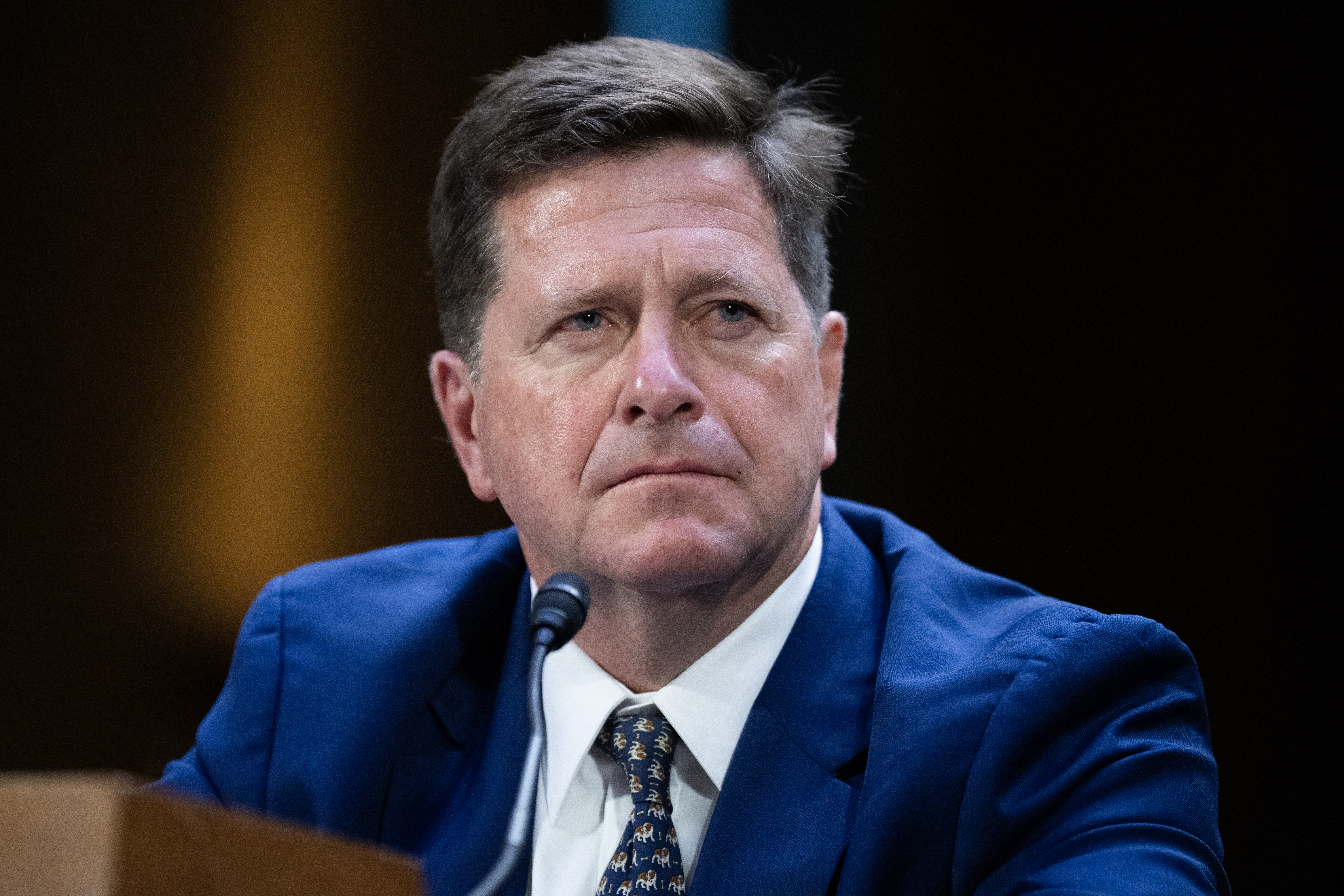
President Trump has named Director of National Intelligence Jay Clayton as his new "AI czar," a move signaling a significant shift in the administration's approach to artificial intelligence policy and national security. The announcement, made via Truth Social on Sunday, places Clayton at the helm of a newly formed "Super Intelligence Force," a designation that immediately raises critical questions about the future direction of AI development and regulation in the United States.
This breaking analysis will delve into the implications of this appointment, examine Clayton's background and potential stance on AI safety, and explore the composition and mandate of the new task force. We will break down why this development matters now and what stakeholders can expect in the immediate aftermath.
📑 Table of Contents
1. Trump's AI Power Play
The appointment of Jay Clayton, currently the Director of National Intelligence, as the nation's 'AI czar' is a bold and unexpected move. It elevates the strategic importance of artificial intelligence within the highest echelons of government, directly linking it to national security priorities. This designation suggests a focus on leveraging AI for intelligence gathering, defense, and potentially economic competitiveness, framing AI not just as a technological frontier but as a critical component of U.S. global power.
The creation of a "Super Intelligence Force" under Clayton's leadership underscores the administration's intent to centralize and accelerate AI initiatives. The rapid pace of AI advancement globally has prompted urgent calls for robust oversight and strategic planning. This new structure appears designed to bypass traditional bureaucratic channels, ensuring direct reporting to the President and the White House Chief of Staff, Susie Wil. This suggests an operational tempo and a mandate for decisive action.
A New Frontier for Intelligence
By adding "artificial" intelligence to the portfolio of the U.S. spy chief, Trump is drawing a direct line between traditional intelligence operations and the burgeoning field of AI. This integration is likely aimed at enhancing capabilities in areas such as data analysis, threat detection, and potentially autonomous systems, while also addressing the security risks posed by AI itself.
2. Who is Jay Clayton?
Jay Clayton brings a unique, albeit non-technical, background to the AI czar role. As DNI, he oversees the U.S. intelligence community, which includes agencies like the CIA, NSA, and DIA. His tenure has been marked by efforts to modernize intelligence gathering and analysis, often grappling with complex technological challenges and the implications of foreign adversarial use of advanced technologies. This experience positions him to understand the national security dimensions of AI.
However, Clayton's professional background prior to the DNI role was primarily in finance and law, serving as Chairman of the Securities and Exchange Commission (SEC). While this experience honed his skills in regulation and market oversight, it does not directly involve deep technical expertise in AI development or safety protocols. Analysts are now closely scrutinizing his public statements and past actions for clues regarding his specific views on AI safety, ethical considerations, and regulatory frameworks.
Assessing His Stance on AI Safety
The critical question remains: where does Jay Clayton stand on AI safety? His current role as DNI suggests a primary concern with AI's potential risks and vulnerabilities, both domestically and internationally. This could translate into a focus on national security applications, cybersecurity threats posed by AI, and the potential for AI to be weaponized or misused by adversaries. It is less clear, based on his public record, how he might approach the broader societal and ethical implications of AI, such as job displacement, bias in algorithms, or existential risks debated by AI researchers.
3. The 'Super Intelligence Force' Revealed

The newly formed "Super Intelligence Force" is not just about Clayton. Its composition includes other significant figures: Federal Trade Commission Chair Andrew Ferguson, Under Secretary of Defense for Research and Engineering Emil Michael, and Office of Personnel Management Director Scott Kupor. This multidisciplinary team suggests an intent to integrate AI strategy across various government functions, from consumer protection and technological innovation to defense research and civilian workforce development.
The inclusion of Ferguson from the FTC hints at a potential focus on the commercial aspects of AI, consumer data privacy, and anti-trust concerns related to AI monopolies. Emil Michael's presence signals a strong emphasis on leveraging AI for defense modernization and research and development, aligning with concerns about maintaining a technological edge over rivals. Scott Kupor's role may point to efforts in workforce training and adaptation, addressing the impact of AI on federal employees and the broader labor market.
A Unified Approach to AI Governance?
This integrated structure could represent an attempt to create a more cohesive and effective U.S. strategy for artificial intelligence. By bringing together leaders from intelligence, regulatory, defense, and personnel management, the administration aims to ensure that AI policy is not siloed but rather a whole-of-government effort. The direct reporting line to the President underscores the urgency and high-level attention this initiative is receiving.
4. AI Safety: The Unanswered Questions
Despite the high-profile appointment and the formation of a dedicated task force, significant questions linger regarding the administration's concrete plans for AI safety. The term 'AI czar' itself is broad, and the specific mandate of the 'Super Intelligence Force' remains largely undefined. Will the focus be primarily on national security risks, or will it encompass broader ethical considerations, algorithmic bias, and the long-term societal impacts of AI?
The current landscape of AI safety discussions is vast, ranging from immediate concerns about deepfakes and disinformation to more speculative, yet crucial, debates about advanced AI alignment and control. Clayton's background suggests a likely emphasis on the former, particularly concerning adversarial use of AI and cybersecurity. However, the broader AI community, including researchers and ethicists, will be keenly watching to see if the administration addresses the full spectrum of AI safety challenges.
Regulatory vs. Innovation Focus
A key tension in AI policy is the balance between fostering innovation and implementing necessary safety regulations. The composition of the 'Super Intelligence Force,' with representatives from agencies like the FTC and the Department of Defense, suggests a dual focus. However, the prioritization between these two objectives will be critical. Will this new structure accelerate the development and deployment of AI technologies, or will it prioritize caution and robust oversight?
5. What Happens Next
The immediate next steps will likely involve the formal establishment of the 'Super Intelligence Force' and the release of initial directives or priorities from President Trump. Observers will be looking for public statements from Jay Clayton and other members of the task force outlining their immediate agenda and strategic vision. The administration's approach to international AI cooperation and competition will also be a critical area to monitor.
The appointment of an 'AI czar' and a dedicated task force is a significant development that could reshape U.S. AI policy. The effectiveness of this new structure will depend on its clarity of purpose, the resources allocated to it, and its ability to navigate the complex technical, ethical, and geopolitical challenges posed by artificial intelligence. Stakeholders across industry, academia, and civil society will be closely evaluating the administration's subsequent actions and pronouncements.
Key Areas to Watch
Future developments will hinge on the specific policy proposals that emerge from this new initiative. Will there be new legislative pushes, executive orders, or interagency guidelines? How will the administration address the concerns of AI researchers regarding potential misuse of powerful AI models? The coming weeks and months will provide crucial insights into the direction and impact of this new AI leadership structure.
🔥 Follow Azeem USA for continuous updates on this developing story.
Conclusion
President Trump's appointment of DNI Jay Clayton as 'AI czar' and the creation of a 'Super Intelligence Force' signals a decisive push to centralize and elevate the administration's focus on artificial intelligence. The move integrates intelligence, regulatory, defense, and personnel expertise under a direct presidential mandate.
The critical challenge ahead lies in defining a clear and comprehensive AI safety strategy that balances innovation with robust oversight. As this new structure takes shape, the world will be watching to see how the U.S. navigates the complex landscape of AI development and its profound implications for national security and society.
❓ FAQ
Who has President Trump appointed as the 'AI czar'?
President Trump has appointed Jay Clayton, the Director of National Intelligence, as the 'AI czar'.
What is the 'Super Intelligence Force'?
It is a newly formed group led by Jay Clayton, tasked with overseeing artificial intelligence initiatives, reporting directly to the President.
Who else is part of the 'Super Intelligence Force'?
The force includes FTC Chair Andrew Ferguson, Under Secretary of Defense for Research and Engineering Emil Michael, and OPM Director Scott Kupor.
What is Jay Clayton's background regarding AI?
Clayton's background is primarily in national intelligence and financial regulation (former SEC Chair), not deep technical AI expertise.
What are the main concerns regarding AI safety?
Concerns range from national security risks, cybersecurity threats, and adversarial use of AI to algorithmic bias, job displacement, and long-term existential risks.
Comments
Post a Comment