
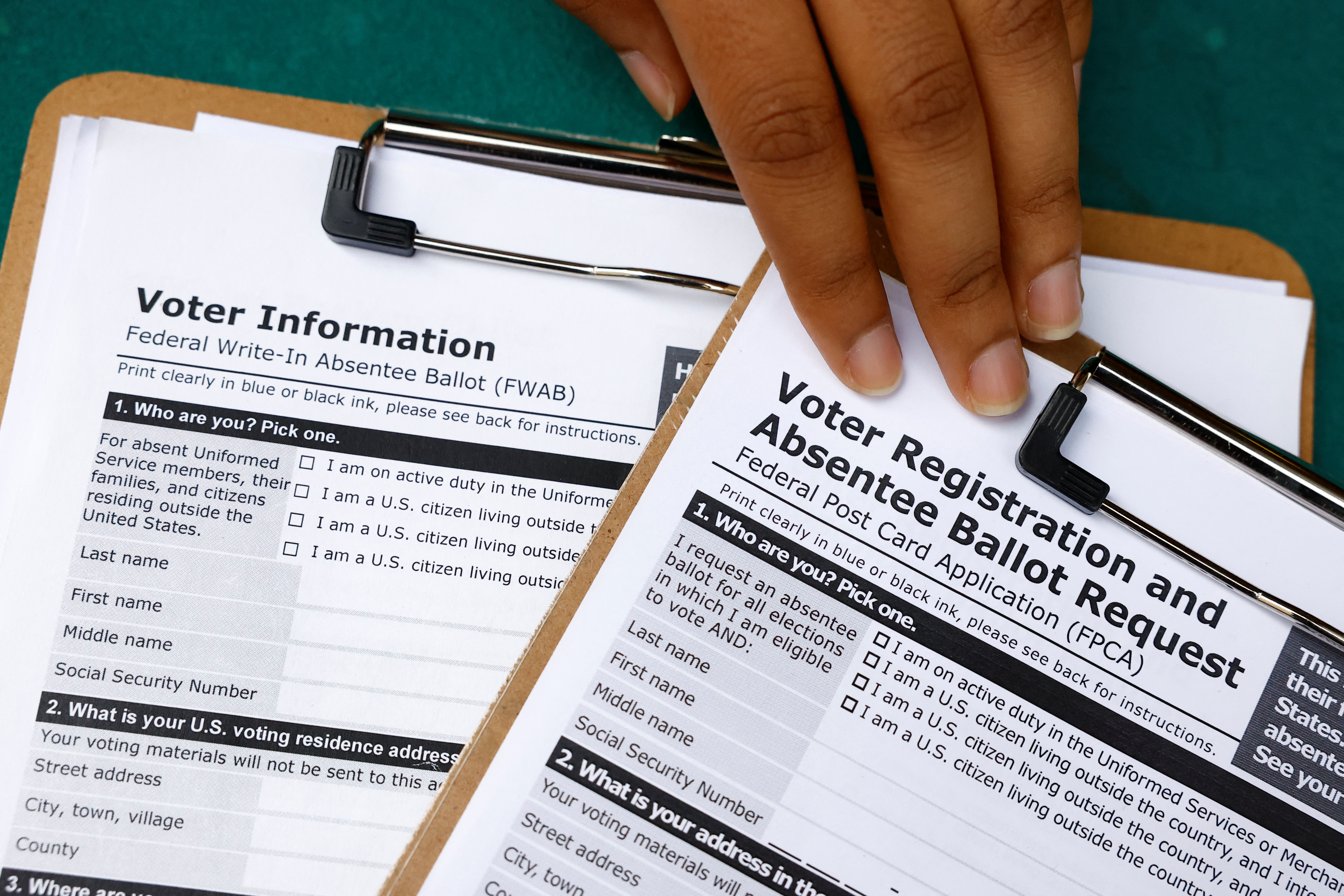
In a move that has sent shockwaves through the political and legal landscape, the Pentagon recently utilized emergency measures to alter critical documentation used by Americans living abroad. This decision specifically targets the federal voter-registration forms essential for U.S. service members and citizens residing outside the United States.
In this deep dive, we explore the implications of these changes, the arguments presented by advocacy groups, and how this move might affect the participation of overseas voters in upcoming national elections.
📑 Table of Contents
1. The Sudden Shift: Pentagon Emergency Measures
The Department of Defense recently employed an emergency protocol to modify the language on the federal voter-registration form. This form is a vital lifeline for thousands of Americans stationed overseas and for expat citizens who wish to exercise their right to vote. The use of an emergency measure suggests a level of urgency that bypasses standard administrative timelines, leading to questions about the underlying motivation.
The timing of this decision is particularly notable. As election cycles approach, the clarity of registration forms is paramount to ensuring that every eligible citizen can be counted. By changing the terminology and structural requirements, the Pentagon has fundamentally altered the process through which these individuals interact with their home states.
Why an Emergency Measure Was Used?
Emergency measures are typically reserved for immediate security threats or urgent operational needs, so applying them to administrative forms like voter registration is a rare occurrence that invites intense public scrutiny.
2. Impact on Service Members and Citizens Abroad
U.S. service members stationed globally already face unique challenges when it comes to voting. They rely on the Federal Overseas and Absentee Voting Act (FPCA) to ensure their voices are heard. Any change in the language of registration forms can lead to errors in submission, which could result in rejected ballots by state election offices.
Citizens residing outside the country are equally at risk. Many of these individuals are not experts and depend on clear, standardized instructions to navigate the complexities of different state election laws. If the new forms are confusing or contradict previous guidance, the barrier to entry becomes significantly higher for those far home.
The Complexity Factor
For a soldier in a combat zone or a civilian working in Europe, a confusing form can be the difference between a counted vote and a missed opportunity.
3. Advocates Raise Concerns of Disenfranchisement

Advocacy groups representing American citizens overseas have quickly flagged these changes as a potential form of soft disenfranchisement. They argue that by altering the language without extensive consultation or a transition period, the government is effectively creating new hurdles that make it difficult for eligible voters to complete their applications correctly.
There is also the concern regarding officials within U.S. election offices. These officials are already tasked with processing complex ballots. If the federal forms contain new terminology that conflicts with state-level expectations, the likelihood of errors increases, potentially leading to the mass rejection of valid votes.
The Risk of Rejected Ballots
Critics argue that the primary goal of election administration should be to facilitate participation, yet these changes appear to move in the opposite direction.
4. The Pentagon's Defense: Alignment and Efficiency
In response to the backlash, the Pentagon maintained that the changes were not intended to obstruct. Instead, the stated goal was to align the form with other federal standards and internal requirements. They argue that consistency across various documents is essential for maintaining a streamlined administrative process abroad.
The official stance is one of administrative necessity. They suggest that updating outdated language is important for the long-term health of the registration system. However, critics maintain that this explanation fails to address the immediate confusion caused among the voters who must use these forms in the current election cycle.
Administrative vs. Practical Needs
The tension lies between the government's desire for bureaucratic uniformity and the voter's need for simple, accessible instructions.
5. The Future of Overseas Voting Accessibility
This situation highlights a broader conversation about how the United States treats its citizens living abroad. As more Americans live and work internationally, the demand for robust, transparent, and user-friendly voting systems will only grow. The use of emergency measures in this context sets a precedent that many observers are watching closely.
Moving forward, we may see increased legal challenges or legislative efforts aimed at protecting the voting rights of service members and expats. The goal remains the same: ensuring that no matter where an American is located, their fundamental right to participate in their democracy is protected and accessible.
Setting a New Precedent
The outcome of this controversy will likely influence how federal agencies handle voter-related documentation in the years to come.
🔥 Stay informed with Azeem-USA for the latest updates on global policy and voting rights.
Conclusion
The Pentagon's decision to use emergency measures to change overseas voter forms remains a controversial intersection of administrative policy and voter rights. While the government claims a need for alignment, the potential for disenfranchisement among service members and expats cannot be ignored.
As democracy evolves, the demand for clear and accessible voting mechanisms will remain a central issue for Americans living abroad.
❓ FAQ
Who is affected by these form changes?
It affects U.S. service members stationed abroad and American citizens residing outside the United States.
Why did the Pentagon use an emergency measure?
The Pentagon stated it was necessary to align the voter-registration forms with other federal standards.
Will this prevent people from voting?
Advocates fear it will lead to confusion and rejected ballots due to new language changes.
What is the FPCA?
The Federal Overseas and Absentee Voting Act is the law that allows overseas voters to vote.
Can I still register to vote abroad?
Yes, but voters should use the updated forms and follow the instructions carefully to avoid errors.
Comments
Post a Comment