
A conservative legal group's discovery of potentially dead and duplicate voter registrations on Maine's rolls is igniting scrutiny just days before the midterm elections, raising urgent questions about election integrity.
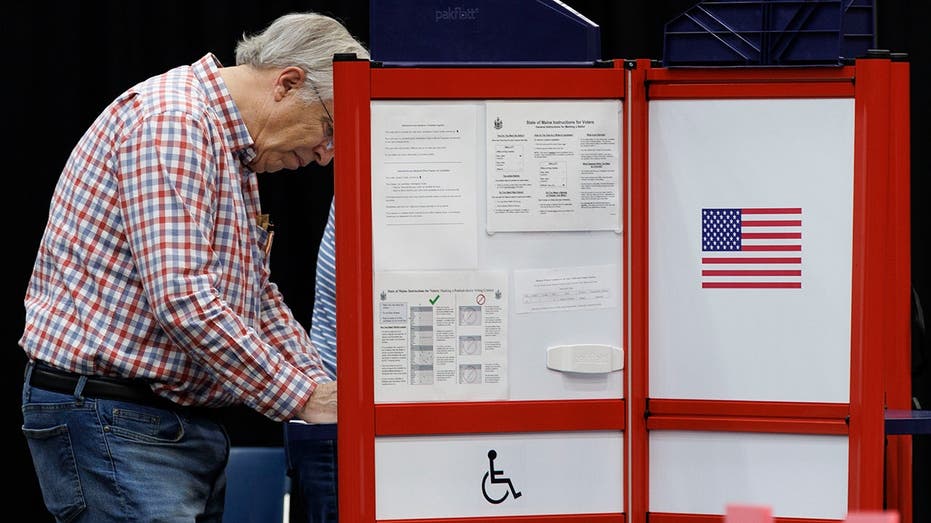
- The Lead: A conservative legal group has flagged over 3,800 potentially problematic voter registrations, including deceased individuals and duplicates, on Maine's official voter rolls.
- The Context: The complaint was filed by the Public Interest Legal Foundation, highlighting alleged systemic issues in maintaining accurate voter lists.
- The Impact: The discovery has triggered calls for urgent review and potential removal of registrations, sparking debate just before crucial midterm elections.
- What's Next: State election officials are reportedly reviewing the findings, with potential legal challenges and increased scrutiny on voter roll maintenance processes.
In the final, crucial days leading up to the midterm elections, a report alleging significant issues with Maine's voter rolls has sent ripples of concern through the state and beyond. A conservative legal group claims to have identified thousands of registrations belonging to potentially deceased individuals and duplicate entries, sparking urgent calls for review and action.
This development, arriving at such a pivotal moment, magnifies existing debates around election integrity and the methods used to maintain accurate voter databases. The Azeem USA Briefing delves into the specifics of the complaint, its implications for the upcoming vote, and the broader context of voter roll management.
The Unsettling Discovery: What We Know So Far
The Public Interest Legal Foundation (PILF), a conservative legal group, has lodged a complaint alleging that Maine's statewide voter registration list contains substantial inaccuracies. According to their findings, the list includes approximately 3,181 registrations associated with individuals who are potentially deceased, and another 693 entries that appear to be duplicates. These figures, if accurate, represent a significant portion of the state's active voter rolls, raising immediate questions about the integrity of the list that will be used for the upcoming midterm elections.
PILF contends that these discrepancies have been a persistent issue and that state officials have not adequately addressed them. The group has formally requested that the Maine Secretary of State's office take action to investigate and rectify these alleged errors, particularly emphasizing the urgency given the proximity of the elections. The complaint highlights specific instances and data points that, the foundation argues, demonstrate a failure to purge outdated and invalid registrations in accordance with federal law, such as the National Voter Registration Act.
The Specifics of the Complaint
The foundation's submission details its review process, which reportedly involved cross-referencing voter data with death records and other public information. The alleged duplicates could arise from various scenarios, including individuals registering multiple times or errors in the data entry process. The core of the accusation lies in the assertion that these individuals remain on the rolls despite evidence suggesting they are ineligible to vote.
“The presence of thousands of potentially dead or duplicate voters on the rolls, discovered so close to an election, raises profound questions about the efficacy of current voter list maintenance practices.”
A History of Voter Roll Concerns: How We Got Here
The maintenance of accurate voter rolls has been a recurring flashpoint in election administration across the United States. Advocates for stricter list maintenance often point to the potential for fraud or irregularities if ineligible voters remain on the rolls. Conversely, voting rights organizations frequently caution that aggressive purging can disenfranchise eligible voters, particularly minority groups and those who move frequently, if the process is not handled with extreme care and transparency.
Federal law, including the National Voter Registration Act of 1993 (NVRA), sets forth requirements for states to maintain voter registration lists by, among other things, removing voters who are deceased or no longer reside in the jurisdiction. However, the interpretation and implementation of these requirements have led to ongoing legal and political battles. Critics of current systems often argue that states do not go far enough in proactively identifying and removing ineligible voters, while proponents of broader access emphasize the need for robust safeguards against erroneous purges.
Federal Mandates and State Practices
The NVRA mandates that states conduct list maintenance activities, but it also places restrictions on how and when purges can occur, particularly concerning voters who have moved. The debate often centers on the balance between ensuring accurate rolls and preventing the suppression of legitimate votes. This case in Maine fits into that larger, national conversation about the best practices for election administration.
Immediate Reactions: Officials, Advocates, and the Public
The complaint from PILF has predictably drawn sharp reactions. Conservative groups and some voters are expressing alarm, viewing it as evidence of systemic failures that need immediate correction to ensure election integrity. They argue that such discoveries erode public confidence and underscore the need for more stringent oversight of voter registration databases.
Conversely, voting rights advocates and some Democratic officials are urging caution, emphasizing that the findings are allegations and that the process of voter roll maintenance must be handled with extreme care to avoid disenfranchising eligible voters. They often point out that voter fraud is exceedingly rare and that accusations can be politically motivated, particularly close to an election. The Maine Secretary of State's office is reportedly reviewing the complaint, a standard procedure when such allegations are made, but the timing has amplified the urgency of their response.
Calls for Transparency and Action
The situation has spurred demands for transparency from all sides, with citizens and watchdog groups alike seeking clarity on the status of the voter rolls and the steps being taken to address the allegations. The political climate surrounding elections means that any perceived vulnerability is magnified, making the response from state officials a critical factor in maintaining public trust.

The Competing Views: Election Integrity vs. Voter Access
At the heart of this issue lies a fundamental tension in election administration: how to balance the imperative of election integrity with the equally crucial goal of ensuring broad and unfettered access to the ballot for all eligible citizens. Those prioritizing integrity, like PILF, argue that inaccurate voter rolls are a direct threat to the legitimacy of election outcomes and can open the door to potential fraud, however small the statistical likelihood.
On the other side, organizations focused on voter access, such as the ACLU and others, express concern that any push for stringent list maintenance, especially when based on potentially flawed data or driven by partisan motives, can lead to the wrongful removal of voters. They highlight that errors in data matching, changes in personal circumstances, or administrative oversights can mistakenly flag eligible voters as ineligible. The risk of disenfranchising lawful voters, they argue, is a greater threat to democracy than the rare instances of ineligible voting.
Navigating the Legal Landscape
Federal and state laws attempt to navigate this complex terrain, requiring states to maintain accurate lists while also protecting voters from improper purges. The interpretation of these laws, and the technological and administrative capacity of states to implement them effectively, remain subjects of ongoing debate and legal challenges nationwide. The Maine case is a microcosm of this larger, national struggle.
On the Radar: What Happens Next
The immediate focus will be on the Maine Secretary of State's response to the PILF complaint. Officials will likely conduct a thorough review of the flagged registrations to verify the allegations. Depending on their findings, this could lead to the initiation of a formal process to challenge or remove specific voter registrations, which typically involves a defined legal procedure to ensure due process for the individuals involved.
Beyond the state's immediate actions, this situation is likely to fuel further calls for legislative changes or stricter enforcement of existing election laws regarding voter roll maintenance. The proximity to the midterms means that any significant changes to the rolls themselves are unlikely, but the political discourse and public scrutiny surrounding election integrity will undoubtedly intensify. Observers will be watching to see if this incident leads to broader reforms in how voter lists are managed nationwide.
Key Milestones to Watch
Look for official statements from the Maine Secretary of State's office regarding their review process and any preliminary findings. Further legal filings or public statements from PILF and other advocacy groups are also anticipated. The outcome of this review, regardless of its scope, will likely influence ongoing discussions about election security measures heading into future election cycles.
🎯 The Bottom Line
The Bottom Line: The discovery of potentially problematic voter registrations in Maine, just days before a critical election, injects fresh urgency into the ongoing national debate over election integrity. While the immediate impact on the upcoming midterms may be limited, the allegations spotlight the persistent challenges in maintaining accurate voter rolls and the need for robust, transparent, and fair processes.
As the nation heads to the polls, stories like this serve as a stark reminder of the complexities involved in safeguarding the democratic process. The Azeem USA Briefing will continue to monitor developments in Maine and across the country, providing you with the essential context and analysis you need to understand the forces shaping our elections.
Stay informed with The Azeem USA Briefing. Subscribe today for daily insights into the stories that matter.
📬 Reader Q&A: Key Questions Answered
Q: What specific allegations were made about Maine's voter rolls?
A conservative legal group, the Public Interest Legal Foundation, alleged that Maine's voter rolls contain 3,181 potentially deceased voters and 693 duplicate registrations.
Q: When was this complaint filed?
The complaint was filed very close to the November midterm elections, raising concerns about the timing.
Q: What is the typical process for addressing such complaints?
State election officials typically review such complaints, cross-referencing the allegations with available data and following established procedures for voter roll maintenance, which may include investigation and potential removal of ineligible voters after due process.
Q: What is the significance of the National Voter Registration Act (NVRA)?
The NVRA sets federal standards for states to maintain voter registration lists, including requirements for removing ineligible voters while also placing restrictions on how and when purges can occur to protect eligible voters.
Q: What are the broader implications of this situation?
This incident highlights the ongoing national debate on election integrity, the challenges of maintaining accurate voter rolls, and the balance between ensuring secure elections and protecting voter access.
Comments
Post a Comment