
Astronauts undertake critical final spacewalks to bolster the International Space Station's aging electrical backbone.
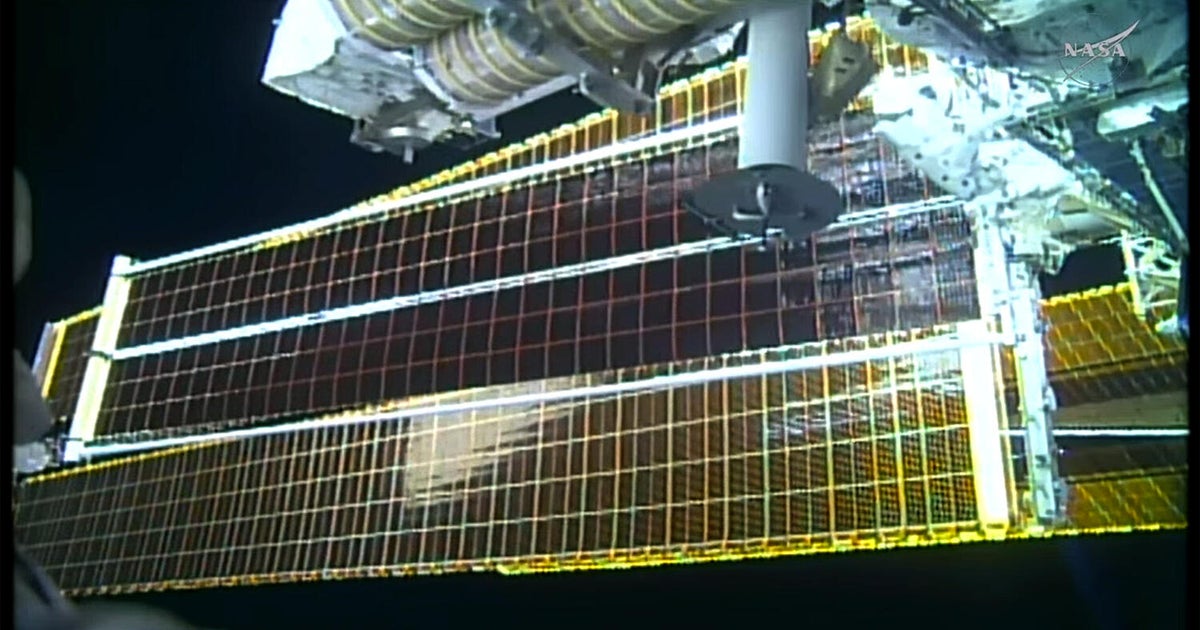
- The Lead: Two astronauts have begun the final series of spacewalks to complete a multi-year upgrade of the ISS's aging power system.
- The Context: The International Space Station relies on solar arrays for power, and these components have been gradually replaced and upgraded over several years.
- The Impact: This final phase is crucial for ensuring the long-term operational capability and reliability of the ISS, a vital platform for scientific research.
- What's Next: Successful completion of these spacewalks will finalize the power system upgrade, allowing for continued scientific operations and setting the stage for future station maintenance.
Two astronauts, clad in bulky spacesuits, emerged from the International Space Station's airlock into the silent vacuum of space this week, embarking on a critical mission. Their task: to complete the final stages of a complex, multi-year upgrade to the station's vital power system, a project essential for its continued operation.
This latest series of extravehicular activities (EVAs) marks a pivotal moment in the ISS's ongoing maintenance, ensuring its critical systems remain robust for scientific research and human habitation. The Azeem USA Briefing breaks down what this intricate operation entails, why it's so important, and what lies ahead for the orbiting laboratory.
The Final Push: What We Know So Far
Astronauts Tracy C. Dyson and Mike Barratt stepped outside the orbiting laboratory for the first of two planned spacewalks, initiating the concluding phase of an extensive power system overhaul. Their primary objective is to install and connect new components that will ensure the station receives a stable and reliable flow of electricity, crucial for all its onboard systems, from life support to scientific experiments.
The spacewalks, each expected to last around 6.5 hours, involve intricate work in a hazardous environment. Astronauts must carefully maneuver around the station, manage tethers, and precisely connect complex wiring and hardware. This phase focuses on integrating the final elements of the upgraded system, building upon years of previous work by various crews.
Connecting the Future of ISS Power
The immediate goal of these EVAs is to finalize the integration of new power systems, replacing aging components that have been in service for decades. This meticulous process ensures that the station's capacity is not only maintained but potentially enhanced for future operations, a testament to the ongoing engineering efforts maintaining this complex international asset.
“The successful completion of this upgrade is a critical milestone for the ISS, ensuring its continued functionality as a vital hub for scientific research and human presence in orbit.”
A Decade in the Making: The Bigger Picture
The International Space Station, a marvel of engineering and international collaboration, has been continuously inhabited for over two decades. Over its lifespan, its systems, including the crucial power generation units, have aged and required phased upgrades. This particular power system overhaul is not a sudden event but rather a long-term, strategic effort to replace original equipment with more modern, efficient, and durable components.
The journey to this final phase began years ago with the installation of new solar array blankets designed to generate more power. Subsequent missions and spacewalks have focused on connecting these new arrays, routing power, and decommissioning older systems. This iterative approach is characteristic of maintaining a complex orbital platform where major overhauls must be conducted incrementally to ensure continuous operation.
The Foundation for Sustained Operations
Understanding this upgrade requires recognizing the ISS as a dynamic, evolving structure. Each component plays a vital role, and the power system is the station's lifeblood. The continuous effort to upgrade and maintain it reflects a commitment to extending the station's operational life and maximizing its scientific return, setting precedents for future long-duration space missions.
Global Reactions and Operational Impact
The successful execution of these spacewalks has been met with quiet satisfaction from space agencies worldwide, including NASA, Roscosmos, ESA, and JAXA. While the operations are highly technical, their successful completion signals a victory for international cooperation and advanced engineering. Mission control centers around the globe closely monitor every step, coordinating efforts and ready to respond to any contingency.
The immediate impact of this final phase is the assurance of continued power for the ISS. This reliability is paramount for the thousands of scientific experiments currently underway, which span disciplines from biology and physics to materials science and Earth observation. Without a stable power supply, these critical research efforts would be jeopardized, potentially halting years of work and delaying scientific breakthroughs.
Market and Political Undercurrents
While there are no direct market implications, the continued operational success of the ISS has broader implications for the space industry. It demonstrates the viability of long-term space infrastructure and the capabilities of human missions for complex repairs. Politically, the smooth execution of such a high-stakes international project reinforces the value of collaborative space endeavors amidst global geopolitical tensions.

Navigating the Risks: Competing Arguments
The primary risk associated with these spacewalks is, of course, the inherent danger of working in the vacuum of space. Astronauts face potential threats from micrometeoroids, extreme temperature fluctuations, and the possibility of equipment malfunction. The complexity of the electrical connections also presents a risk of short circuits or improper installation, which could lead to system failures.
Balancing these risks requires meticulous planning and execution. Mission planners must weigh the necessity of the upgrade against the inherent dangers. While some might argue for deferring such critical work to minimize immediate risk, the consensus among space agencies is that the long-term benefits of a robust power system outweigh the calculated risks of these carefully managed spacewalks. The extensive training and redundancy built into the mission protocols are designed to mitigate these dangers.
The Trade-Off: Operational Lifespan vs. Immediate Hazard
The core tension lies in extending the operational life and scientific utility of the ISS versus the immediate, albeit carefully managed, hazards faced by the astronauts. Observers note that while the risks are real, the ISS represents an invaluable asset that requires proactive maintenance. The decision to proceed with these spacewalks reflects a strategic choice to prioritize the station's future functionality and scientific output.
On the Radar: What Happens Next
With the first of the final two spacewalks now complete, attention turns to the second EVA, scheduled for one week later. This subsequent mission will focus on finalizing any remaining connections, performing checks, and stowing equipment. Successful completion of both spacewalks will signify the end of this major power system upgrade phase.
Following the spacewalks, the focus will shift to comprehensive system testing and monitoring. Engineers on the ground will analyze telemetry data to ensure the newly installed components are functioning optimally and that the entire power grid is stable. This period of verification is crucial before fully integrating the new system into daily station operations and declaring the upgrade complete.
The Long View: Future of the ISS and Beyond
The successful conclusion of this upgrade is not just about the ISS; it's about building experience for future space endeavors. The lessons learned in maintaining and upgrading complex systems in orbit are invaluable for planning future lunar bases or Mars missions. The ISS continues to serve as a proving ground for the technologies and operational procedures that will enable humanity's next steps into the cosmos.
🎯 The Bottom Line
The final phase of the International Space Station's power system upgrade represents a critical juncture, underscoring the immense engineering challenges and collaborative spirit required to maintain humanity's presence in orbit. These spacewalks are not just about replacing parts; they are about securing the future of a vital scientific outpost.
As these astronauts complete their demanding tasks, they are not only ensuring the lights stay on aboard the ISS but also paving the way for continued groundbreaking research and future exploration. The Azeem USA Briefing will continue to monitor developments in space and their impact on our world.
Subscribe to The Azeem USA Briefing for daily insights into the stories shaping our world.
📬 Reader Q&A: Key Questions Answered
Q: What is the primary goal of these spacewalks?
The primary goal is to complete the final phase of a multi-year upgrade to the International Space Station's aging power system, ensuring its continued reliability and operational capacity.
Q: How long do these spacewalks typically last?
Each spacewalk is scheduled to last approximately 6.5 hours, a duration that requires significant endurance and focus from the astronauts.
Q: Who is performing these spacewalks?
The spacewalks are being conducted by astronauts Tracy C. Dyson and Mike Barratt, along with support from mission control on Earth.
Q: Why is upgrading the power system so important?
The power system is the lifeblood of the ISS, providing electricity for life support, scientific experiments, communications, and all other onboard operations. An upgrade ensures these critical functions continue reliably.
Q: What happens after these spacewalks are completed?
After the spacewalks, engineers will conduct thorough testing and monitoring of the new components and the overall power system to ensure everything is functioning correctly before fully integrating it into station operations.
Comments
Post a Comment