
A man who previously admitted to state charges in a June 2025 incident now faces federal accountability as he pleads guilty to a dozen charges, marking a significant step toward resolution for a community shaken by violence.
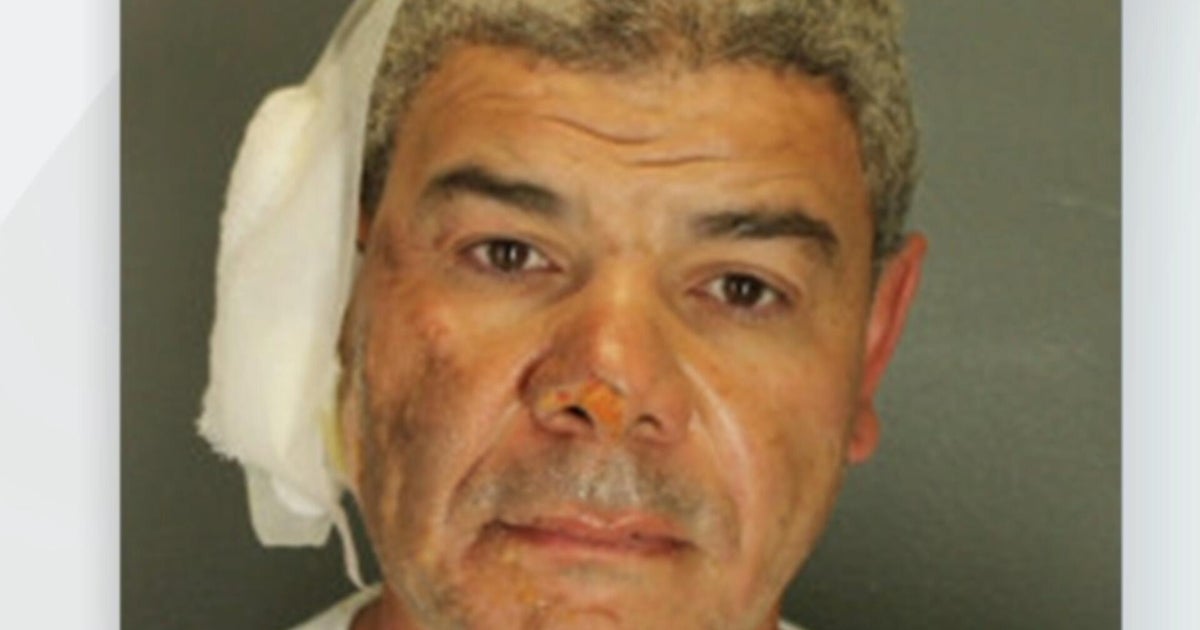
- The Lead: A suspect in the June 2025 Boulder firebombing attack has pleaded guilty to 12 federal charges.
- The Context: The plea follows an earlier guilty plea to over 100 state charges, including first-degree murder, for the same incident.
- The Impact: This federal conviction moves the case closer to final sentencing and provides a significant federal layer of accountability.
- What's Next: Sentencing dates for both state and federal charges will now be set, bringing the legal process toward its conclusion.
In a federal courtroom on Thursday, the man responsible for a catastrophic firebombing attack on Boulder's Pearl Street Mall in June 2025 altered his plea, admitting guilt to a dozen federal charges. This development marks a critical juncture in a case that has deeply impacted the Colorado community and brings a new dimension to the legal proceedings against him.
The suspect, who had already pleaded guilty to over 100 state charges, including murder, now faces federal accountability for his actions. This briefing delves into the specifics of the federal plea, its implications within the broader legal framework, and what it means for the victims and the city moving forward.
The Guilty Plea: What We Know Now
Mohamed Soliman appeared in federal court on Thursday, formally changing his plea to guilty on twelve charges. These federal counts are distinct from the extensive state charges he previously admitted to, including first-degree murder, for the same incident that terrorized downtown Boulder. The specific federal charges often relate to offenses that cross state lines, involve federal property, or fall under federal jurisdiction, such as using explosives or engaging in acts that impact interstate commerce or federal investigations.
The exact nature of the twelve federal charges has not been fully detailed in initial reports, but they represent a significant escalation of legal consequences. Soliman's decision to plead guilty in federal court suggests a strategic move, potentially part of a plea agreement that could influence sentencing in both state and federal cases. This shift signifies a commitment from the prosecution to secure a comprehensive conviction that addresses all facets of the violent act.
The Legal Shift
This federal plea ensures that Soliman will be held accountable under two distinct legal systems. Analysts suggest this dual-jurisdiction approach aims to provide maximum justice and prevent any potential loopholes in sentencing or punishment.
“The shift to a federal guilty plea signifies a comprehensive legal pursuit of justice for the devastating events that transpired on the Pearl Street Mall.”
Echoes of June 2025: How the Attack Unfolded
The events of June 2025 sent shockwaves through Boulder. The Pearl Street Mall, a vibrant hub for residents and tourists, became the scene of a coordinated and destructive firebombing attack. The incident resulted in significant property damage and, tragically, loss of life, leaving an indelible mark on the city's collective memory. The motive behind the attack has been a subject of intense scrutiny, with legal proceedings aiming to fully understand the perpetrator's intent and state of mind.
The immediate aftermath saw a massive law enforcement response, with local, state, and federal agencies converging to secure the scene, investigate the origins of the explosives, and apprehend those responsible. The scale of the attack necessitated a broad investigative effort, piecing together evidence from the scene, witness testimonies, and digital footprints to build a case against the alleged perpetrator.
Community Impact
The attack not only caused physical destruction but also instilled a sense of fear and vulnerability within the community, prompting a renewed focus on public safety measures and support for those affected.
Justice on Two Fronts: State vs. Federal Ramifications
Soliman's legal journey has been complex, navigating both state and federal criminal justice systems. His prior plea to over 100 state charges, including the most serious offense of first-degree murder, already positioned him for substantial penalties. The addition of twelve federal charges signifies a parallel track of prosecution, often pursued when an act violates laws under federal jurisdiction, such as those involving interstate transportation of explosives or terrorism-related statutes.
The coordination between state and federal prosecutors is crucial in such cases to ensure that the legal process is efficient and that the defendant faces the full weight of justice. It is common for plea agreements in one jurisdiction to be influenced by the outcomes in another, potentially impacting sentencing recommendations across both sets of charges. This dual prosecution aims to leave no stone unturned in holding the individual accountable for the totality of their criminal actions.
Inter-Agency Cooperation
The collaboration between state and federal law enforcement and prosecutorial offices is paramount to achieving a just outcome in cases of this magnitude.

Community Scars and Legal Pathways
For the residents of Boulder, the events of June 2025 remain a painful memory. The guilty plea in federal court is a significant step toward resolution, but the emotional and psychological impact on victims and their families is profound and enduring. While the legal system works to assign accountability, the community continues to grapple with the aftermath, seeking to heal and rebuild trust.
The legal pathways taken in this case highlight the layered approach to justice for severe crimes. The state charges address the immediate impact on local victims and property, while the federal charges often bring additional statutes and potential penalties into play, reflecting the national interest in prosecuting violent acts that carry broad implications. Observers note that such dual prosecutions can sometimes lead to more comprehensive sentencing, reflecting the severity and reach of the crimes committed.
Rebuilding and Resilience
The city's resilience is tested by such events, with ongoing efforts focused on supporting victims and fostering a sense of security.
The Road to Sentencing and Beyond
With the federal guilty plea now on record, the legal process is moving towards sentencing. It is anticipated that federal sentencing dates will be coordinated with any ongoing state sentencing proceedings. The ultimate punishment will likely be determined by a judge, taking into account the totality of the charges, the severity of the crimes, and any recommendations stemming from plea agreements or sentencing guidelines.
Beyond the courtroom, the long-term implications for public safety and community preparedness remain critical. Lessons learned from the attack and the subsequent legal proceedings will undoubtedly inform future security protocols and emergency response strategies in Boulder and beyond. The resolution of the legal case, while bringing a measure of closure, also serves as a stark reminder of the ongoing need for vigilance and community solidarity.
Future Preparedness
The case underscores the importance of robust law enforcement capabilities and community engagement in preventing and responding to acts of violence.
🎯 The Bottom Line
The Bottom Line: The federal guilty plea in the Boulder firebombing case represents a significant legal conclusion, ensuring that the perpetrator faces accountability across both state and federal jurisdictions for a devastating act of violence.
As sentencing dates approach, the focus shifts to the final stages of the legal process, offering a path toward closure for the affected community while reinforcing the commitment to justice in the face of extreme criminal acts. We will continue to monitor these developments closely.
Subscribe to The Azeem USA Briefing for daily insights into the news shaping America and the world.
📬 Reader Q&A: Key Questions Answered
Q: What were the specific federal charges Mohamed Soliman pleaded guilty to?
While initial reports confirm a guilty plea to twelve federal charges, the precise nature of each charge has not been fully detailed in public statements. These typically relate to offenses falling under federal jurisdiction, such as the use of explosives or acts impacting interstate commerce.
Q: How do the federal charges differ from the state charges?
State charges are brought under state law for crimes committed within that state's borders, often including offenses like murder. Federal charges are brought under U.S. federal law, typically for crimes that cross state lines, involve federal property, or violate specific federal statutes.
Q: What is the significance of pleading guilty in both state and federal court?
It signifies comprehensive accountability. Prosecutors often pursue charges in both jurisdictions to ensure the defendant faces the maximum legal consequences for all aspects of a crime, potentially leading to a more substantial combined sentence.
Q: When will sentencing occur?
Sentencing dates for both the state and federal charges will need to be set. These are often coordinated, especially if a plea agreement influences sentencing recommendations across both jurisdictions.
Q: What was the motive for the attack?
The motive behind the June 2025 attack has been a subject of legal investigation. The full understanding of the perpetrator's intent is typically explored throughout the legal proceedings, including during plea negotiations and sentencing.
Comments
Post a Comment