
As election cycles advance, candidates increasingly bypass debates, fundamentally altering the landscape of political discourse.
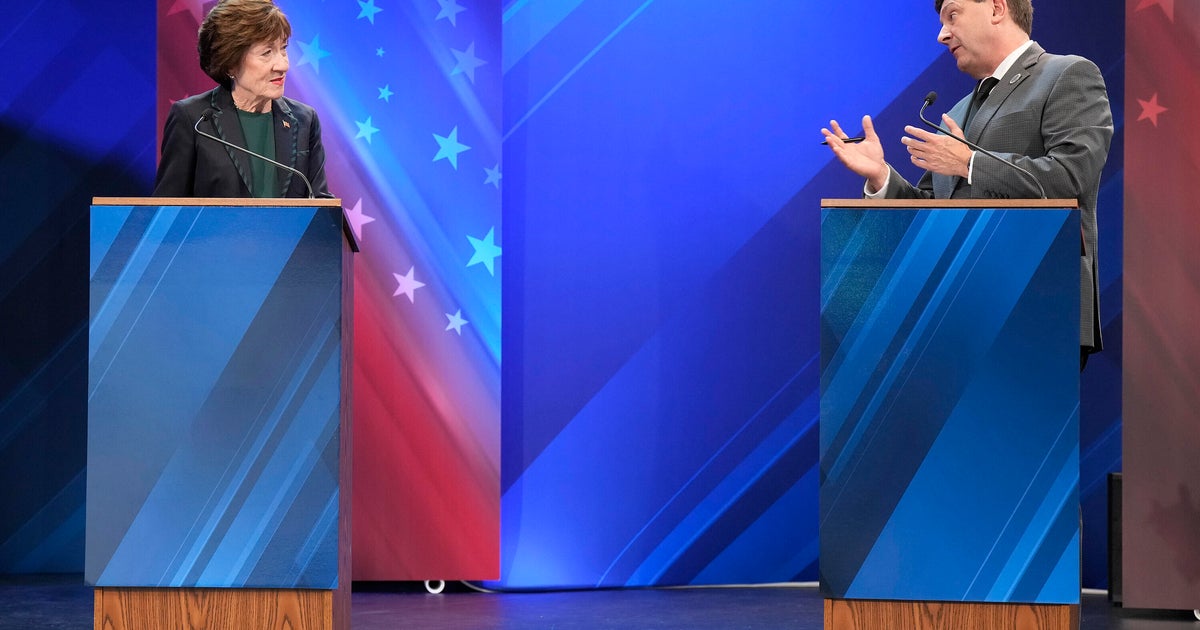
- The Lead: An unprecedented number of major party candidates are opting out of debates for the upcoming 2026 election cycle, signaling a significant shift in campaign strategy.
- The Context: Debates, once considered a staple for voter education and candidate vetting, are now viewed by many campaigns as too unpredictable and potentially damaging.
- The Impact: This trend limits direct voter engagement with candidates on key issues and risks reducing elections to curated media appearances and soundbites.
- What's Next: Observers will be watching to see if voter backlash or institutional pressure can reverse this decline in candidate forums.
In the intensifying political landscape of the United States, a fundamental pillar of electoral engagement is quietly crumbling. For the 2026 election cycle, a stark reality is emerging: half of all Senate races and a third of gubernatorial contests will proceed without a single debate between the major party candidates. This deliberate sidelining of a traditional arena for voter education and candidate scrutiny marks a significant departure from decades past, raising urgent questions about the health of public discourse and the future of informed voting.
This briefing delves into the critical reasons behind this escalating trend, exploring the strategic calculations of modern campaigns, the historical context of political debates, and the profound implications for voters and the democratic process itself. We examine how what was once a cornerstone of campaigning has become a high-risk, low-reward proposition for candidates, and what this means for the information voters receive as they head to the polls.
The Vanishing Stage: What's Happening Now
The numbers paint a clear and concerning picture. As the 2026 midterms approach, a growing consensus among political strategists is that debates are simply not worth the gamble. Campaigns are increasingly making the decision to forgo these high-profile events, preferring to control their messaging through carefully curated appearances and digital platforms. This strategic retreat means that voters in numerous states and districts will be deprived of the opportunity to see their potential representatives engage directly on critical issues, answer tough questions, and demonstrate their fitness for office in a live, unscripted setting.
The decision to skip debates is not being made lightly, but rather reflects a pragmatic, albeit troubling, assessment of modern political warfare. In an era of 24/7 news cycles and viral social media moments, a single misstep during a debate can have disproportionately negative consequences, overshadowing a candidate's entire campaign narrative. This dynamic has led to an environment where avoiding potential pitfalls is often prioritized over the potential benefits of robust public engagement.
A Growing Trendline
This isn't an isolated phenomenon but a burgeoning trend. Reports indicate a significant uptick in candidates declining debate invitations compared to previous election cycles, a pattern that suggests a deliberate and widespread strategic shift rather than a series of isolated decisions.
“The strategic calculus has shifted: the perceived risks of a debate — a gaffe, a viral moment gone wrong — now often outweigh the potential rewards of engaging directly with voters.”
From Town Halls to Tripwires: The Evolution of Debates
Political debates have long been considered a vital component of the American electoral process. From the legendary Lincoln-Douglas debates of the 19th century to the nationally televised showdowns between presidential candidates in the 20th and 21st centuries, these forums have shaped public opinion and influenced election outcomes. They offered a unique platform for voters to witness candidates articulate their visions, defend their records, and contrast their policy proposals in real-time.
Historically, debates served multiple crucial functions: they provided a concentrated dose of information for undecided voters, offered a yardstick for measuring a candidate's temperament and intellect, and allowed third-party or lesser-known candidates a chance to gain broader exposure. The expectation was that candidates would be challenged, forced to think on their feet, and demonstrate their readiness to lead. However, the nature of media, the speed of information dissemination, and the intensity of partisan polarization have fundamentally altered the landscape.
The Digital Disruption
The rise of the internet and social media has transformed how campaigns communicate and how voters consume information. This has diminished the singular importance of televised debates, as campaigns can now micro-target messages and bypass traditional media gatekeepers with greater ease.
Campaigns' Calculated Risk: Why They're Opting Out
The primary driver behind the decline in debates is the perceived imbalance of risk versus reward. Modern campaigns operate under the assumption that a single viral moment of awkwardness, a poorly worded answer, or an aggressive exchange can inflict irreparable damage. In the hyper-partisan digital age, such moments are amplified, dissected, and weaponized by opponents, often drowning out substantive policy discussions.
Campaigns increasingly favor environments where they can fully control the narrative. This includes meticulously produced campaign ads, carefully scripted speeches, and controlled social media interactions. Debates, by their very nature, introduce an element of unpredictability that many strategists find intolerable. The potential for an opponent to land a knockout punch, or for a moderator's question to expose a candidate's weakness, is a risk that many are now unwilling to take.
The 'Gaffe' Culture
The media's — and consequently, the public's — tendency to focus on 'gotcha' moments and potential gaffes over policy substance incentivizes candidates to play it safe and avoid situations where such errors are more likely to occur.

The Democratic Deficit: What Voters Stand to Lose
When candidates opt out of debates, it is the voters who ultimately pay the price. These forums provide an invaluable opportunity for citizens to directly compare the platforms, character, and leadership capabilities of those seeking to represent them. Without these encounters, voters are left to rely on more curated, and often less comprehensive, sources of information, such as campaign advertisements and partisan media outlets.
This trend risks exacerbating political polarization and voter apathy. If voters cannot see candidates engage on substantive issues or hold them accountable in a public forum, the electoral process can become less about informed decision-making and more about tribal affiliation or personality cults. The absence of debates diminishes transparency and accountability, making it harder for citizens to make truly informed choices at the ballot box, and potentially leading to a less engaged and less representative electorate.
Limited Scrutiny, Narrowed Choices
The lack of direct, comparative scrutiny can lead to voters being less informed about candidates' true positions, ultimately hindering the democratic ideal of an informed citizenry.
The Road Ahead: Will Debates Make a Comeback?
The current trajectory suggests a continued decline in the prominence of traditional debates, at least in their current format. Campaigns have found alternative, often digital, avenues to reach voters that offer greater control and less risk. However, this trend is not without its critics, and there is a growing concern among political scientists and good-governance advocates about the long-term consequences for democratic health.
Whether a significant shift occurs will likely depend on a confluence of factors: potential voter backlash against candidates who refuse to debate, institutional efforts by media organizations or election commissions to re-incentivize debates, or perhaps the emergence of new formats that mitigate the perceived risks while still fostering substantive engagement. For now, however, the message from many campaigns is clear: the debate stage is a gamble they are increasingly choosing to avoid.
Potential for Reform or Renewed Engagement
The future of political debates hinges on whether institutions can adapt to the changing media landscape and re-establish their value as essential public forums for democratic discourse.
🎯 The Bottom Line
The bottom line is that the erosion of political debates represents a tangible loss for democratic transparency and voter education. As campaigns become more risk-averse and media consumption more fragmented, the spaces where candidates are forced into direct, unscripted confrontation are shrinking, leaving voters with a less complete picture of those seeking power.
This briefing has explored the multifaceted reasons behind this trend, from strategic campaign calculations to the evolving media environment. As we look toward future elections, the question remains whether this disengagement from a vital public forum is a temporary strategic shift or a permanent alteration of the democratic process. We will continue to monitor this critical development at The Azeem USA Briefing.
Subscribe to The Azeem USA Briefing for in-depth analysis delivered daily.
📬 Reader Q&A: Key Questions Answered
Q: Why are candidates avoiding debates more now?
Candidates and their strategists perceive debates as high-risk, low-reward events in the current media environment, where a single misstep can be amplified and damage a campaign more than any substantive policy discussion can help it.
Q: What are the main risks associated with political debates for candidates?
The primary risks include making a public gaffe, appearing unprepared or unlikable, being caught in a difficult policy position, or engaging in an exchange that is unfavorable and goes viral.
Q: How does this trend affect voter education?
It limits voters' ability to directly compare candidates' policy proposals, temperaments, and communication skills in an unscripted setting, potentially leading to less informed voting decisions.
Q: Are there any efforts to encourage candidates to participate in debates?
While some media organizations and civic groups advocate for debates, current campaign strategies often prioritize controlled messaging over the unpredictability of live forums.
Q: What are the alternatives campaigns are using instead of debates?
Campaigns are increasingly relying on targeted digital advertising, social media engagement, carefully produced video content, and controlled media interviews to communicate their messages.
Comments
Post a Comment