
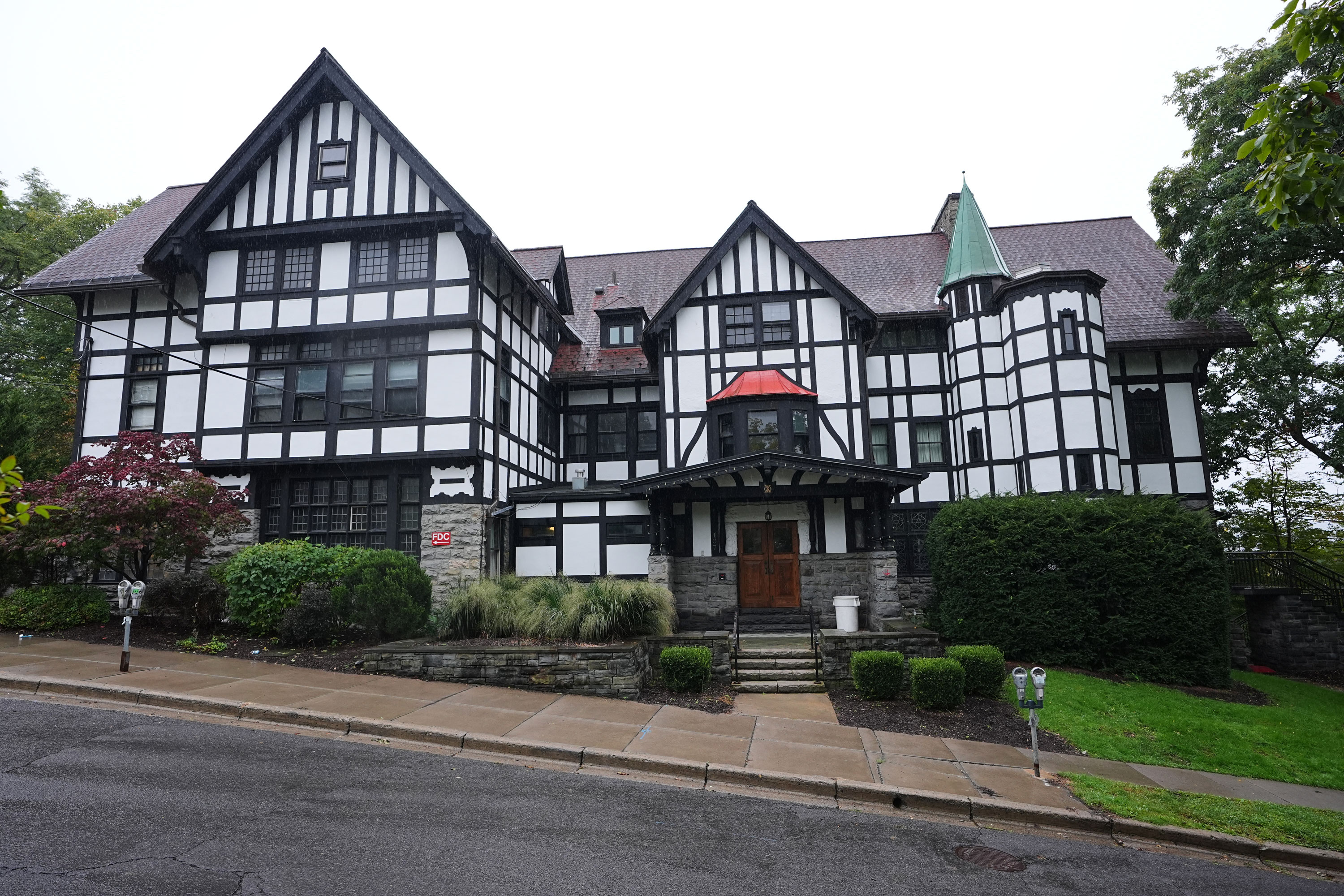
Cornell University is grappling with a crisis after a former student, identified as 'Jane Doe,' filed a civil lawsuit last month detailing an alleged 'gang rape' at a fraternity party in October 2024. The university responded swiftly, announcing late last week the suspension of all fraternity parties and social events for the remainder of the academic year.
This analysis will delve into the timeline of events, the university's drastic action, the broader context of issues surrounding Greek life, and the critical implications for campus safety and accountability moving forward.
📑 Table of Contents
1. The Allegations Emerge: A Disturbing Lawsuit
The current controversy stems from a civil lawsuit filed by 'Jane Doe,' a former Cornell student. The suit accuses seven fraternity members of allegedly drugging and assaulting her for hours during an event in October 2024. This detailed accusation has brought national attention to the situation, highlighting serious concerns about student safety and the culture within some campus organizations.
The lawsuit paints a grim picture of the alleged incident, prompting immediate scrutiny of the fraternity's conduct and the university's oversight. The filing itself, occurring last month, appears to be the catalyst that escalated the matter from a private complaint to a public crisis demanding institutional action.
The Plaintiff's Account
According to court documents, the alleged assault involved incapacitation through unknown substances, followed by prolonged sexual violence. The severity and nature of the allegations have resonated widely, sparking outrage and calls for justice.
2. Cornell's Swift Response: The Frat Ban
In the wake of the lawsuit and the ensuing public outcry, Cornell University took decisive action. Last week, the university announced a sweeping ban on all parties and social events hosted at fraternity houses. This suspension is effective immediately and will remain in place for the entire academic year.
The university stated that this measure is intended to create space for a comprehensive and independent review of fraternity life on campus. The goal is to assess whether fraternities can operate safely and ethically, and to determine necessary reforms. This broad suspension signals a serious approach to addressing the allegations and the underlying issues they represent.
An Independent Review
Cornell has committed to an independent review process. This review will examine the existing fraternity system, its governance, and its impact on the campus community. The findings are expected to inform future policies and potential structural changes to Greek life.
3. Context: A History of Concern Over Greek Life

The issues raised by the Cornell case are not isolated. Universities across the nation have long struggled with problems within fraternity and sorority systems, including allegations of hazing, alcohol abuse, sexual assault, and exclusionary practices. These concerns often surface periodically, leading to temporary crackdowns or reform efforts that sometimes yield lasting change, but often see old problems re-emerge.
Cornell itself has a history of grappling with fraternity conduct. Previous incidents and ongoing discussions about campus culture have kept Greek life under a microscope. This latest lawsuit, however, represents a particularly grave accusation that has forced the university's hand in a way that previous issues may not have.
National Trends
The #MeToo movement and increased awareness of sexual assault have amplified scrutiny of environments where such incidents are perceived to be more prevalent. Fraternities, often associated with heavy alcohol consumption and a specific social hierarchy, have frequently been cited as areas requiring greater attention from university administrations and law enforcement.
4. Why This Matters Now: Campus Safety and Accountability
The Cornell frat ban is a stark indicator of the university's commitment to addressing student safety, particularly in light of severe allegations. This decision sends a powerful message to students, parents, and the wider public that the university is taking the issue of sexual assault and the potential risks associated with fraternity social events extremely seriously.
The ban's immediate impact is a disruption to a significant aspect of campus social life. However, its long-term significance lies in its potential to force a fundamental re-evaluation of the role and regulation of fraternities. It raises questions about institutional responsibility, the adequacy of existing prevention and response mechanisms, and the balance between student autonomy and campus safety mandates.
Stakeholder Reactions
Reactions are likely to be divided. While many will support the university's decisive action as a necessary step to protect students, others, including fraternity members and alumni, may view the ban as an overreaction or an unfair blanket punishment. The 'Jane Doe' lawsuit itself will proceed through the civil justice system, potentially leading to further revelations and legal consequences.
5. What Happens Next: Investigations and Reforms
The immediate future at Cornell involves the ongoing independent review of fraternity life. This process will be critical in determining the long-term fate of Greek organizations on campus. The university will need to carefully consider the findings and recommendations to implement sustainable reforms that enhance safety and accountability.
Simultaneously, the civil lawsuit against the seven fraternity members will move forward. The legal proceedings could uncover more details about the incident and the fraternity's internal practices. The outcome of this lawsuit could have significant legal and financial repercussions for the individuals involved and potentially the fraternity national organization.
A Broader Dialogue
Beyond Cornell, this case underscores the ongoing national conversation about preventing sexual assault on college campuses and reforming Greek life. Universities and student organizations everywhere will be watching closely to see what lessons can be learned and what best practices emerge from this challenging situation. The university's challenge is to balance immediate safety concerns with the long-term goal of fostering a responsible and inclusive campus environment.
🔥 Follow Azeem USA for continuous updates on this developing story.
Conclusion
Cornell University has suspended all fraternity social events for the academic year following a serious 'gang rape' allegation detailed in a civil lawsuit filed by a former student. The university has initiated an independent review of its fraternity system.
The coming weeks and months will be crucial as the independent review progresses and the civil lawsuit unfolds. The outcome will likely shape the future of Greek life at Cornell and serve as a case study for other institutions confronting similar challenges regarding campus safety and organizational accountability.
❓ FAQ
What is the main allegation in the Cornell case?
A former student, 'Jane Doe,' filed a civil lawsuit accusing seven fraternity members of drugging and assaulting her for hours during an October 2024 party.
What action did Cornell University take?
Cornell suspended all parties and social events at fraternity houses for the remainder of the academic year.
Why did Cornell suspend fraternity events?
The university cited the need for a thorough, independent review of fraternity life to determine necessary reforms and ensure student safety.
When did the alleged incident occur?
The alleged incident took place in October 2024.
What is the current status of the lawsuit?
The lawsuit is a civil case filed last month by the former student against seven fraternity members.
Comments
Post a Comment