Breaking: Trump's Project Spree Echoes 2018 Midterm Tactics 🚨 Breaking News Analysis 📸 Image Credit: finance.yahoo.com By Azeem-USA · Tue Oct 13 2026 English (en-US) President Trump is once again crisscrossing the nation, unveiling ambitious economic development projects—from pipelines in Alaska to steel and aluminum plants in the Midwest and South—in a high-profile push ahead of the crucial midterm elections. He declared, "In the real economy, we are blowing it away," during a recent rally in Tennessee, projecting an image of robust economic success. However, a closer examination reveals that this spree of project announcements bears a striking resemblance to the tactics employed during the run-up to the 2018 midterm elections. This analysis will delve into the details of these new announcements, compare them to past patterns, assess their potential impact, and explore what this signifies for the upcoming political landscape. 📑...

🚨 Breaking News Analysis
President Trump is once again crisscrossing the nation, unveiling ambitious economic development projects—from pipelines in Alaska to steel and aluminum plants in the Midwest and South—in a high-profile push ahead of the crucial midterm elections. He declared, "In the real economy, we are blowing it away," during a recent rally in Tennessee, projecting an image of robust economic success.
However, a closer examination reveals that this spree of project announcements bears a striking resemblance to the tactics employed during the run-up to the 2018 midterm elections. This analysis will delve into the details of these new announcements, compare them to past patterns, assess their potential impact, and explore what this signifies for the upcoming political landscape.
📑 Table of Contents
1. The Announcement Surge
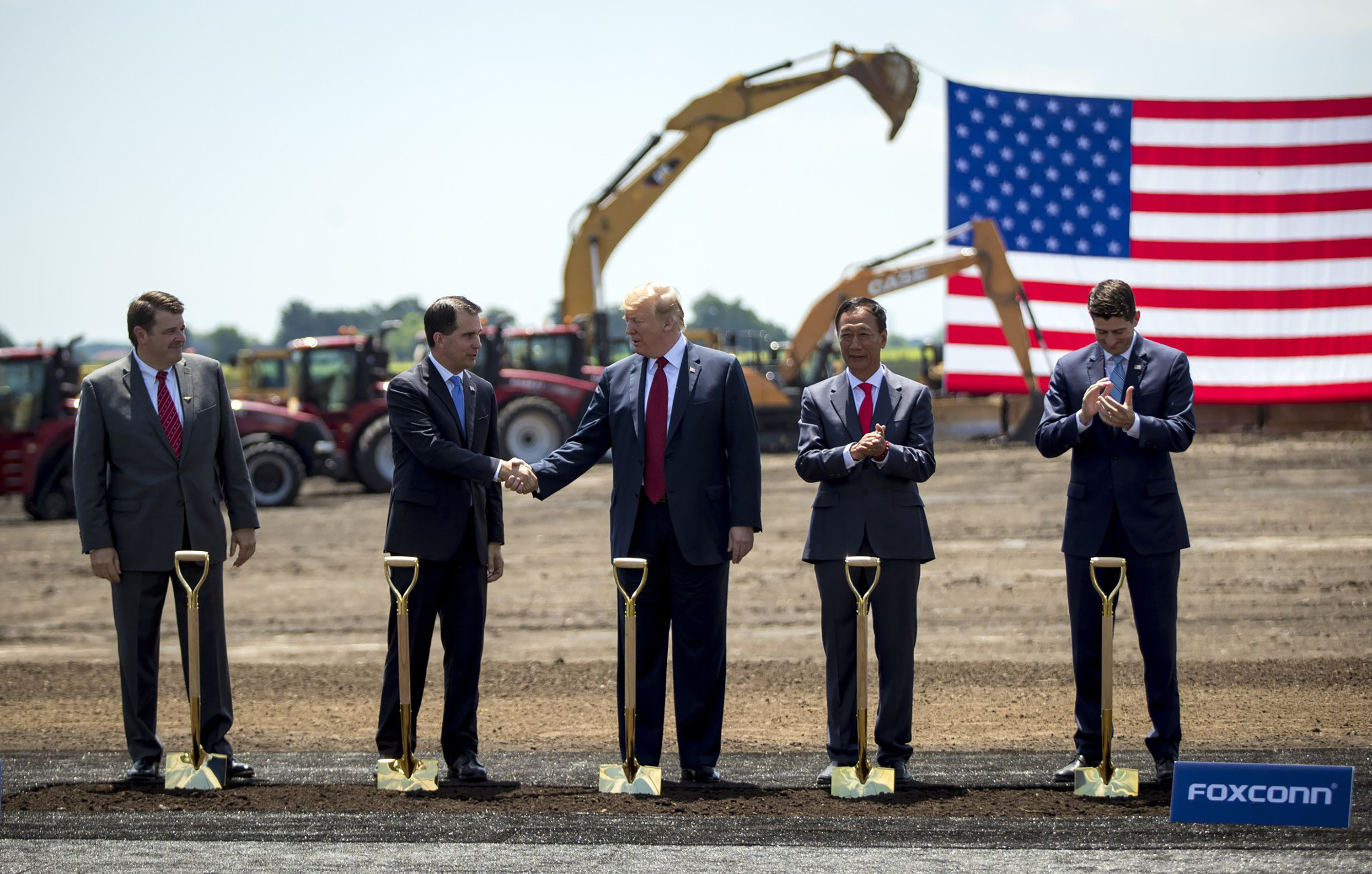
In recent weeks, President Trump has made numerous public appearances to champion significant industrial and infrastructure initiatives. These range from the potential construction of a pipeline in Alaska, aimed at boosting energy independence, to the proposed establishment of a new steel plant in Iowa and an aluminum smelter in Oklahoma. These projects are presented not just as localized developments but as cornerstones of a broader national economic revitalization strategy.
The rhetoric accompanying these announcements is consistently confident, emphasizing job creation, domestic manufacturing resurgence, and a return to American industrial might. Trump's message is clear: his administration is delivering tangible economic victories that benefit working-class communities and strengthen the nation's industrial base. The visual of groundbreaking ceremonies or ribbon-cuttings, even for projects in early planning stages, serves as a powerful campaign backdrop.
Uncertainty in Project Realization
Despite the fanfare, the ultimate realization of many of these announced projects remains far from certain. Details are often sparse, funding mechanisms are frequently vague, and timelines are ambitious, if not speculative. Critics point to a pattern where the announcement itself serves the immediate political purpose, irrespective of the project's long-term viability or construction timeline.
2. Echoes of 2018: A Familiar Pattern
The current wave of economic project announcements is drawing direct parallels to President Trump's strategy during the lead-up to the 2018 midterm elections. At that time, a similar pattern emerged, with the administration highlighting potential or nascent industrial projects as evidence of economic success and future prosperity. The messaging then, much like now, centered on bringing back manufacturing jobs and revitalizing American industry.
A review of reports from that period indicates that many of the projects announced in 2018 faced significant hurdles, delays, or ultimately failed to materialize as initially envisioned. The strategic deployment of these announcements, coinciding with critical election cycles, suggests a consistent approach to leveraging economic optimism for political gain. The focus is on generating positive headlines and reinforcing a narrative of strong economic leadership.
The 'Real Economy' Narrative
Trump's assertion that "In the real economy, we are blowing it away" directly echoes the language used in 2018. This phrase aims to contrast his administration's perceived economic achievements with broader economic indicators or criticisms from opponents. It's a deliberate framing designed to resonate with voters who prioritize job growth and industrial output, creating a sense of tangible progress even when the specifics are still in flux.
3. Why This Matters Now
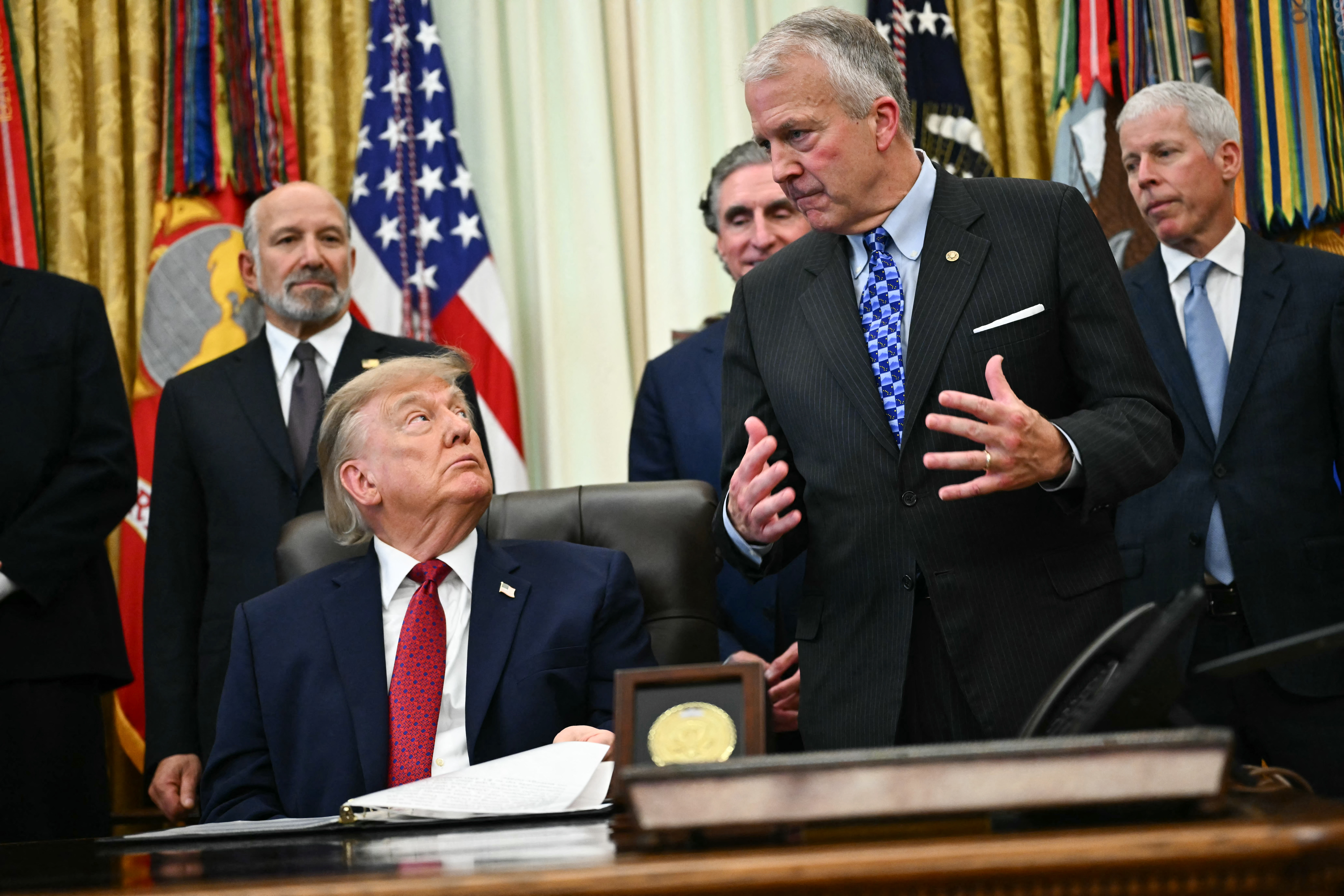
The timing of these announcements is critical, occurring just months before voters head to the polls in the 2022 midterm elections. With control of Congress hanging in the balance, President Trump's ability to rally voters around a narrative of economic strength is a key component of the Republican strategy. These project unveilings serve as potent campaign tools, aiming to energize the base and persuade undecided voters by showcasing tangible, albeit sometimes speculative, economic wins.
Furthermore, this tactic highlights a broader trend in political communication: the use of aspirational projects and bold pronouncements to shape public perception of economic performance. It raises questions about the substance behind the spectacle. Are these projects viable, or are they primarily designed to create a favorable impression for electoral purposes? The distinction is vital for voters trying to assess the true state of the economy and the effectiveness of the administration's policies.
Economic Policy vs. Campaign Messaging
The divergence between the announcement of potential projects and their actual implementation presents a challenge for objective economic analysis. While the promise of new jobs and investment is appealing, the lack of concrete details and guaranteed outcomes means these announcements function more as campaign messaging than as established economic policy milestones. Voters and analysts alike must sift through the rhetoric to discern the reality of economic development.
4. Stakeholder Reactions and Skepticism
Reactions to President Trump's project announcements are predictably divided. Supporters often laud the vision and the potential for job creation, viewing these initiatives as proof of a pro-business agenda that prioritizes American workers. They see the president as a champion of the industrial sector, actively working to reverse decades of manufacturing decline.
Conversely, critics and many economists express skepticism. They point to the pattern of similar announcements in the past that have not fully materialized. Concerns are frequently raised about the economic feasibility, environmental impact, and long-term sustainability of such large-scale projects, especially when initiated with limited data and under tight political timelines. The reliance on potential foreign investment or uncertain government subsidies often fuels these doubts.
The Role of Media and Perception
The media plays a crucial role in amplifying these announcements, turning them into national news. Whether the coverage focuses on the potential benefits or the underlying uncertainties, the sheer volume of attention shapes public perception. For the Trump campaign, the goal is to create a dominant narrative of economic revival, regardless of the intricate details of project execution. This strategy leverages the power of attention and aspirational promises to influence voter sentiment.
5. What Happens Next
As the midterm elections draw nearer, expect President Trump to continue highlighting these economic projects, using them as rallying points and evidence of his administration's effectiveness. The narrative of economic resurgence driven by his initiatives will likely be a central theme in Republican campaign messaging across the country. The success of this strategy will depend on how effectively voters perceive these announcements—whether as concrete achievements or as campaign rhetoric.
For analysts and the public, the key will be to monitor the actual progress of these projects in the coming months and years. Will the proposed steel plant in Iowa break ground? Will the Alaskan pipeline move beyond conceptual stages? The answers to these questions will determine whether this latest spree of announcements represents a genuine economic agenda or a repeat of a familiar political playbook. The ongoing scrutiny of project viability versus political promise will be essential.
Long-Term Economic Impact vs. Short-Term Political Gain
The critical question remains: which will prevail—long-term economic development or short-term political advantage? The historical record suggests a pattern where the immediate electoral benefits of such announcements often overshadow the complex realities of industrial development. As the dust settles after the midterms, the true impact of these projects, or lack thereof, will become clearer, offering a definitive assessment of this strategy.
🔥 Follow Azeem USA for continuous updates on this developing story.
Conclusion
President Trump's recent surge in announcing major economic development projects mirrors the strategy he employed in the lead-up to the 2018 midterm elections. While these announcements aim to project an image of robust economic growth and job creation, questions persist regarding their feasibility and timely realization.
Moving forward, the focus will be on whether these ambitious plans translate into tangible outcomes or remain largely as campaign messaging. The upcoming midterm elections will test the efficacy of this tactic, while the long-term economic impact will only become evident through sustained observation of project development and execution.
❓ FAQ
What kind of economic projects has Trump announced?
Announcements include potential pipelines, steel plants, and aluminum smelters across various US states.
How do these announcements compare to his past actions?
They closely mirror the project announcements made during the run-up to the 2018 midterm elections, raising questions about repetition.
What is the main criticism of these project announcements?
Critics point to the uncertainty of project realization, vague details, and the potential for these announcements to serve as campaign tactics rather than concrete economic plans.
Why are these announcements significant now?
Their timing is critical, occurring just before the 2022 midterm elections, making them key elements of Republican campaign strategy aimed at showcasing economic strength.
What should observers watch for in the future?
The key is to monitor the actual progress and implementation of these projects to determine their long-term economic impact versus their short-term political utility.
Comments
Post a Comment