Breaking: Trump Distances Himself From Russian Diesel Deal Amid GOP Firestorm 🚨 Breaking News Analysis 📸 Image Credit: finance.yahoo.com By Azeem-USA · Tue Oct 13 2026 English (en-US) President Trump is rapidly attempting to distance himself from a burgeoning deal that would allow Russian diesel into the U.S. market, a move that ignited immediate and fierce criticism from members of his own Republican party. The President's swift public retreat, articulated in statements made Tuesday morning, highlights the volatile political landscape surrounding energy policy and international trade agreements. This analysis will delve into the specifics of the reported deal, the reasons behind the bipartisan backlash, and the strategic implications of Trump's public pivot as he seeks to manage the political fallout. 📑 Table of Contents The Developing Story: Trump's Shifting Stance Initial Deal Details and Immediate Fallout Why This Deal Sparked...

🚨 Breaking News Analysis
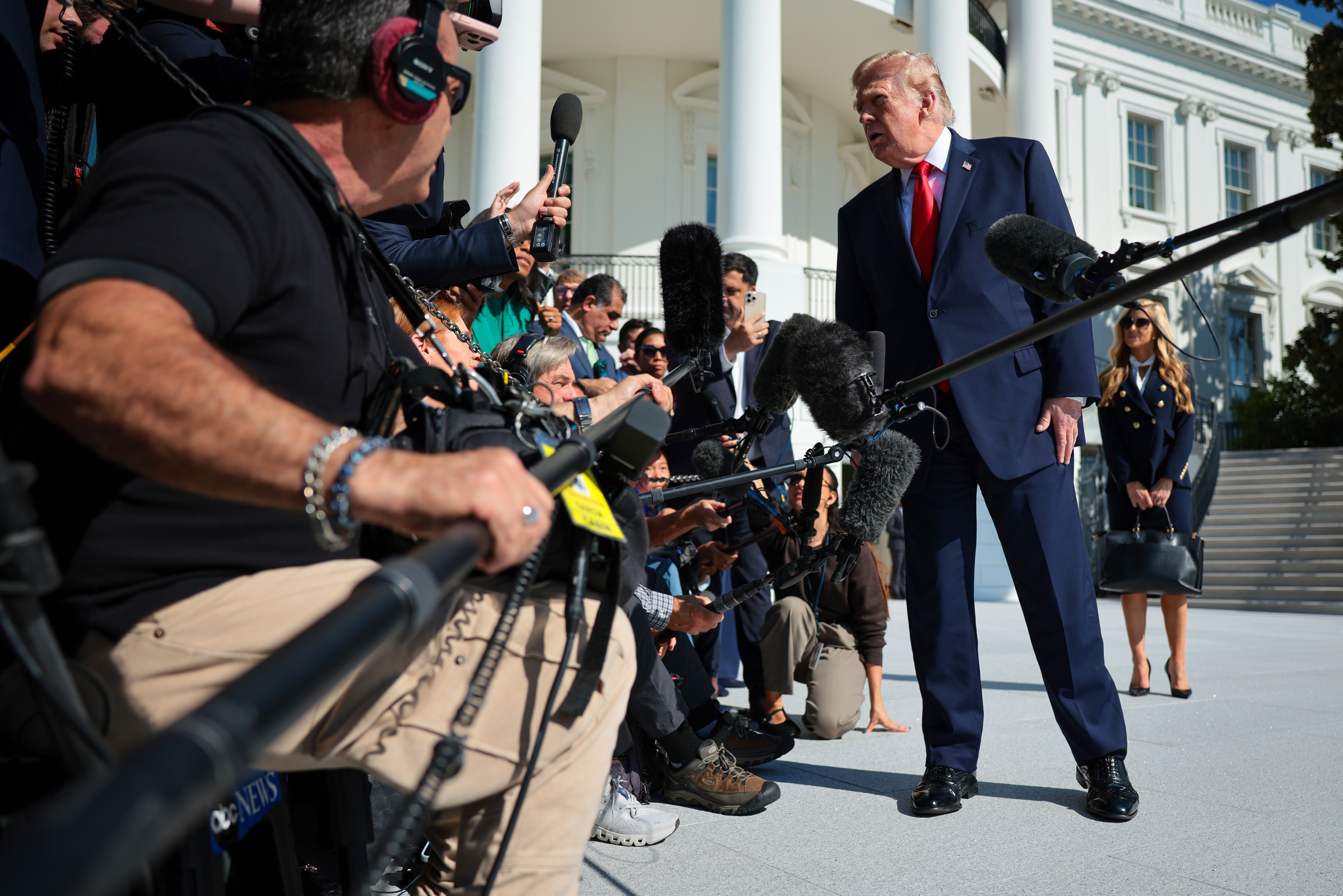
President Trump is rapidly attempting to distance himself from a burgeoning deal that would allow Russian diesel into the U.S. market, a move that ignited immediate and fierce criticism from members of his own Republican party. The President's swift public retreat, articulated in statements made Tuesday morning, highlights the volatile political landscape surrounding energy policy and international trade agreements.
This analysis will delve into the specifics of the reported deal, the reasons behind the bipartisan backlash, and the strategic implications of Trump's public pivot as he seeks to manage the political fallout.
📑 Table of Contents
1. The Developing Story: Trump's Shifting Stance
In a rapid development that underscores the sensitivity of energy policy, President Trump declared Tuesday that a new agreement involving Russian diesel is not a U.S. deal. "It's a deal for the world... It's not a deal with me," Trump told reporters, attempting to frame the arrangement as a broader global initiative rather than a specific bilateral agreement with the United States.
This marks a significant public recalibration following initial reports and comments that suggested a more direct U.S. involvement. The President's statements on Tuesday echo similar remarks made Monday, where he initially linked the deal to benefits for U.S. farmers but clarified it was primarily for the "rest of the world." This defensive posture signals a clear response to mounting pressure and criticism from key figures within the Republican party.
Trump's Statement Analysis
The President's repeated assertion that "It's not a USA deal" is a strategic maneuver designed to deflect blame and distance his administration from a potentially unpopular policy. By characterizing it as a global agreement, Trump aims to dilute its direct association with his presidency and alleviate concerns that it could harm domestic energy producers or national security interests.
2. Initial Deal Details and Immediate Fallout
Details surrounding the precise nature of the "deal" remain somewhat fluid, but reports indicate it pertains to facilitating the flow of Russian diesel fuel into global markets. The initial perception, amplified by early reporting, was that this could lead to increased Russian energy exports finding their way into the U.S. or impacting U.S. energy markets indirectly.
The announcement, or even the suggestion of such an agreement, immediately triggered a strong negative reaction. Critics, even those typically aligned with the administration's pro-business and energy independence agenda, voiced alarm. Concerns ranged from undermining domestic energy production to potentially benefiting an adversarial nation like Russia, especially in the current geopolitical climate.
Why the Sudden Uproar?
The swiftness and intensity of the criticism suggest the deal, or the perception of it, touched a nerve. Many in the Republican party have long advocated for policies that reduce reliance on foreign energy sources, particularly from Russia, due to geopolitical tensions and national security considerations. Allowing Russian diesel, even indirectly, was seen by many as a step backward.
3. Why This Deal Sparked Bipartisan Ire
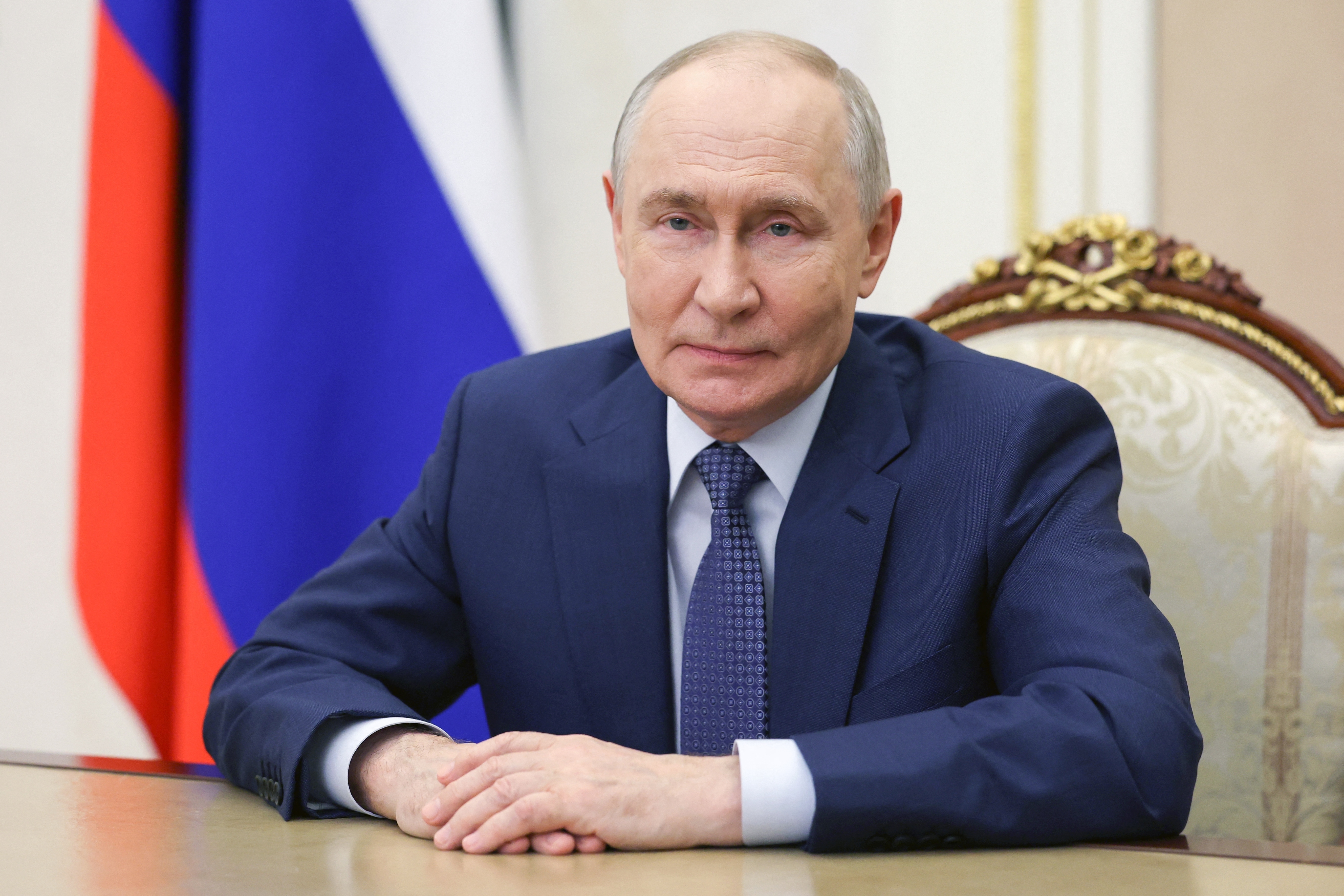
While the most vocal criticism has come from within the Republican party, the underlying concerns about energy security and foreign influence resonate across the political spectrum. For Republicans, the primary objections centered on economic nationalism and the principle of prioritizing American energy interests. Allowing increased Russian fuel imports, irrespective of the stated terms, was viewed as counterproductive to achieving energy independence and potentially bolstering Russia's economic and geopolitical standing.
Democrats, while not the primary source of immediate criticism in this instance, often share concerns about Russia's global influence and the need to transition away from fossil fuels. Any deal that appears to strengthen Russia's energy sector, or that lacks robust environmental or national security safeguards, would likely face scrutiny from the left as well. The bipartisan nature of the potential opposition underscores the delicate balance the administration must strike on energy and foreign policy.
Geopolitical Undercurrents
The backdrop of ongoing global energy market volatility and international relations, particularly concerning Russia, amplifies the sensitivity of such deals. Critics argue that any agreement that facilitates Russian energy exports, even if framed as global, could be interpreted as a concession or a strategic misstep, particularly when coupled with broader geopolitical challenges involving Russia.
4. The President's Pivot: Political Calculations
President Trump's quick pivot away from the Russian diesel plan is a textbook example of damage control in the face of strong internal opposition. The criticism from his own party presented a clear political liability, threatening to alienate key voting blocs and create internal party divisions. By publicly downplaying the deal, Trump aims to neutralize this threat and regain control of the narrative.
This strategic retreat also reflects the administration's broader approach to trade and energy policy, which often prioritizes perceived domestic benefits and national interests. When a policy, regardless of its initial intent or potential global benefits, is perceived as detrimental to core Republican principles or voter sentiment, the administration has shown a willingness to adjust course. The President's comments suggest an understanding that the political cost of defending the deal outweighed any perceived advantages.
Stakeholder Reactions and Implications
The initial backlash from Republican lawmakers indicates a significant constituency that remains wary of deals perceived to benefit Russia or undermine American energy dominance. This reaction serves as a clear signal to the administration about the boundaries of acceptable policy within its own party. For industry stakeholders, the wavering stance creates uncertainty about future energy trade policies and the administration's commitment to specific market arrangements.
5. What Happens Next: Navigating the Political Minefield
The immediate future will likely see the Trump administration working to solidify its distance from the Russian diesel plan, emphasizing its global nature and downplaying any direct U.S. benefits or involvement. Expect further clarification, or perhaps a complete shelving, of any aspect of the deal that appears to directly involve or benefit the United States in a way that could reignite criticism.
Politically, this incident highlights the ongoing tension between international trade objectives and domestic political considerations. The administration will need to carefully manage perceptions to avoid similar backlash on future energy or trade initiatives. Observers will be watching to see if this episode leads to a more cautious approach to energy diplomacy or if it was merely a tactical adjustment to a specific point of contention.
Looking Ahead
The key takeaway is that even international energy deals are subject to intense domestic political scrutiny. The administration's rapid response suggests an acute awareness of the political landscape and a commitment to avoiding unnecessary internal conflict. Future energy agreements will undoubtedly be weighed not just for their economic or geopolitical merits, but for their political viability within the president's own party.
🔥 Follow Azeem USA for ongoing analysis of this developing story.
Conclusion
President Trump has publicly distanced himself from a reported deal concerning Russian diesel imports following sharp criticism from within the Republican party. The President's statements frame the agreement as a global initiative, not a U.S.-specific deal, in an apparent effort to mitigate political fallout.
Moving forward, the administration is expected to continue managing the narrative around this issue, emphasizing its global scope to avoid further domestic backlash. This incident underscores the significant influence of domestic politics on international energy and trade policy, with future agreements likely to face similar scrutiny.
❓ FAQ
What was the reported Russian diesel deal?
Reports indicated a deal that would facilitate the global trade of Russian diesel fuel, which critics feared could indirectly impact U.S. markets or benefit Russia.
Why did Republicans criticize the deal?
Critics within the GOP raised concerns about undermining domestic energy production, national security, and potentially bolstering Russia's economy and geopolitical influence.
What was President Trump's initial response?
Initially, President Trump suggested the deal could benefit U.S. farmers but clarified it was not a direct U.S. deal.
What is President Trump's current stance?
President Trump is now downplaying the deal, stating it is 'for the world' and 'not a USA deal,' in an effort to distance himself from the controversy.
What does this mean for future energy policy?
This incident highlights the sensitivity of energy deals and suggests the administration will be cautious about agreements that could face strong domestic political opposition.
Comments
Post a Comment