
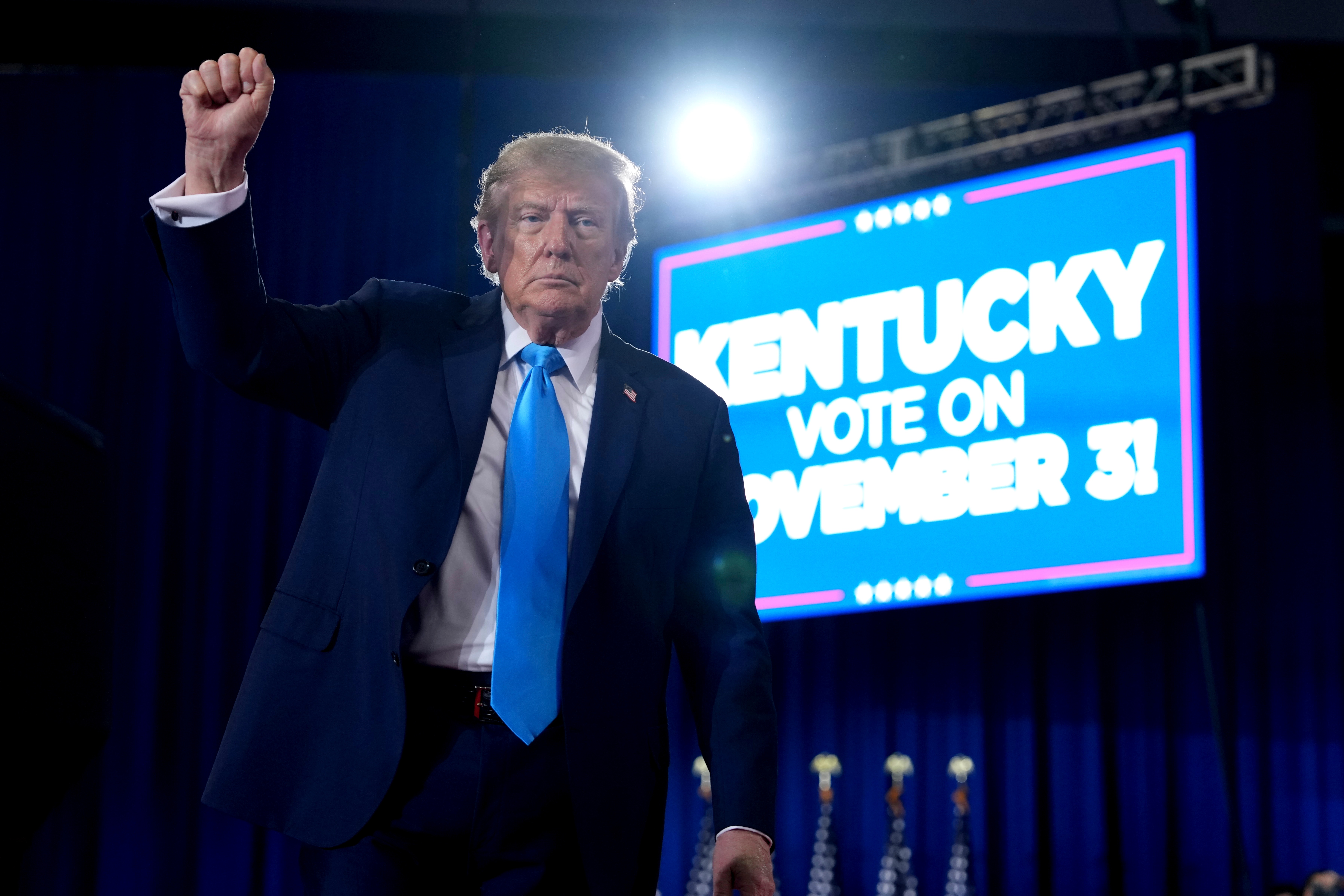
President Trump's approval rating has cratered to a record low of 33 percent just two weeks before the midterm elections, according to a Washington Post-ABC News-Ipsos poll. This steep decline paints a bleak picture for Republicans and offers Democrats a clear, albeit potentially narrow, edge in the fight for control of Congress.
This analysis breaks down the critical data, explores the underlying economic factors driving voter sentiment, and assesses the profound implications for both parties as the nation hurtles toward Election Day.
📑 Table of Contents
1. The Numbers Don't Lie: A Historic Plunge
The latest Washington Post-ABC News-Ipsos poll delivers a stark verdict: Donald Trump's job approval rating has fallen to a career-low 33 percent among U.S. adults. This figure is particularly alarming for the incumbent party, with a significant 66 percent disapproving. The intensity of this disapproval is also notable, with 52 percent stating they disapprove 'strongly'.
This represents a four-point drop since July and an eight-point decline compared to the same period last year. Such a precipitous fall, especially this close to a major election, is a flashing red alert for any party seeking to maintain or expand its power. Historically, presidents with approval ratings below 40 percent face significant headwinds in midterm contests.
Historical Context of Presidential Approval
Throughout modern American political history, presidential approval ratings have been a key, though not the sole, predictor of midterm election outcomes. Presidents with low approval ratings typically see their party suffer substantial losses. Trump's current standing places him in historically unfavorable territory, suggesting a challenging environment for Republican candidates nationwide.
2. Economic Headwinds Fueling Voter Discontent
The poll explicitly links the souring mood among voters to ongoing inflationary pressures. Voters are grappling with rising costs for everyday essentials, from groceries to gasoline, and this economic anxiety is directly translating into dissatisfaction with the current administration. The perception of economic hardship often becomes a powerful motivator at the ballot box.
This sentiment is amplified by a broader feeling of acrimony in the political climate. While the poll focuses on economic drivers, the persistent partisan divisions and the highly charged nature of national discourse likely contribute to the overall negative sentiment reflected in Trump's approval numbers. Voters appear to be expressing a general weariness with the status quo.
Inflation's Grip on the Electorate
The persistent rise in the cost of living is a tangible issue affecting millions of Americans. While the administration may point to other economic indicators, the daily reality of shrinking purchasing power is undeniable. This poll suggests that voters are holding the President accountable for these economic challenges, regardless of the complex global and domestic factors at play.
3. Why This Matters: The Midterm Math

With just two weeks remaining until Election Day, the timing of this record-low approval rating could not be more critical. Historically, the president's party tends to lose seats in Congress during midterm elections, a phenomenon often referred to as a referendum on the current administration. Trump's dismal numbers significantly exacerbate this challenge for Republicans.
This low approval rating directly impacts the electoral calculus for Republican candidates. They are forced to decide whether to embrace or distance themselves from the President. For those in competitive districts, the association with a deeply unpopular president becomes a significant liability, potentially costing them votes among swing and independent voters who may otherwise lean Republican on policy issues.
The Democratic Advantage
Conversely, this data provides a significant boost to Democratic hopes. The rising support for Democrats in the race for congressional control is directly correlated with Trump's declining approval. This suggests that a portion of the electorate is looking to send a message to Washington by voting Democratic, partly as a rebuke of the current presidency.
4. Republican Fallout and Democratic Opportunity
The immediate implication for the Republican party is a scramble to recalibrate their midterm strategy. Candidates are likely to face increased pressure to differentiate themselves from Trump, while party leaders must contend with a base that may be energized by loyalty to the President but alienated from the broader electorate.
For Democrats, this presents a clear opportunity to capitalize on voter dissatisfaction. The challenge for them will be to translate this anti-Trump sentiment into actual votes, ensuring their base is mobilized and appealing to suburban and independent voters who may be disaffected by the economy and the political climate. The narrative of 'change' or 'restoration' could gain traction if effectively communicated.
The 'Why It Matters' for Control of Congress
The stakes in the upcoming midterms are immense, with control of both the House of Representatives and the Senate hanging in the balance. A significant shift in public sentiment, as indicated by Trump's approval rating, could lead to a substantial Democratic victory, potentially flipping control of one or both chambers and dramatically altering the legislative agenda for the remainder of Trump's term.
5. The Path Ahead: What Happens Next
In the remaining two weeks, expect to see intense campaigning from both parties. Republicans will likely try to pivot to local issues and focus on specific policy proposals to mitigate the drag from the President's unpopularity. Democratic candidates will continue to emphasize the economic concerns and the need for a change in direction, framing the election as a referendum on the Trump presidency.
Voter turnout will be absolutely critical. The energy and motivation of both the Republican base, potentially galvanized by a desire to defend the President, and the Democratic electorate, energized by a chance to punish the administration, will determine the final outcome. Polls can shift, but this record low approval rating provides a stark indicator of the challenging landscape Republicans face.
Key Factors to Watch
Beyond the approval numbers, analysts will be closely monitoring voter turnout in key swing districts, the effectiveness of each party's get-out-the-vote operations, and any last-minute campaign developments that could sway undecided voters. The narrative surrounding inflation and economic stability will remain a dominant theme.
🔥 Follow Azeem USA for continuous breaking news analysis as this story develops.
Conclusion
President Trump's approval rating has hit a historic low of 33 percent, underscoring significant voter dissatisfaction driven largely by economic pressures. This development significantly bolsters Democratic chances in the upcoming midterm elections.
The coming two weeks will be a high-stakes battle for hearts and minds, with both parties fighting to mobilize their bases and appeal to swing voters. The ultimate outcome will hinge on voter turnout and the effectiveness of each party's final campaign push, but the current data points to a challenging environment for Republicans.
❓ FAQ
What is President Trump's current approval rating?
According to a Washington Post-ABC News-Ipsos poll, President Trump's approval rating has fallen to a record low of 33 percent.
What is the significance of this low approval rating?
A record low approval rating for a president, especially close to midterm elections, typically indicates significant voter dissatisfaction and can lead to substantial losses for the president's party.
What are the main reasons cited for the low approval?
The poll suggests that inflationary pressures and a general acrid mood among voters are contributing factors to the dissatisfaction.
How does this affect the upcoming midterm elections?
It hands Democrats a clear edge, as Republican candidates may struggle to distance themselves from an unpopular president, potentially leading to more Democratic victories in the race for Congress.
When are the midterm elections?
The midterm elections are scheduled to take place in two weeks from the time of this report.
Comments
Post a Comment