Breaking: Trump Announces 40 Million Barrel Oil Stockpile Sell-Off 🚨 Breaking News Analysis 📸 Image Credit: finance.yahoo.com By Azeem-USA · Mon Oct 05 2026 English (en-US) The Trump administration has officially moved forward with plans to sell another 40 million barrels of oil from the Strategic Petroleum Reserve (SPR), signaling an aggressive shift in domestic energy policy. This decision follows a sharp decline where the reserve dropped by nearly 800,000 barrels in a single week, leaving the US energy backstop at a critical vulnerability point. This analysis examines the implications of this massive liquidation, the alarming warnings from global energy leaders, and the potential long-term impact on US energy security and market stability. 📑 Table of Contents The SPR Depletion Crisis Global Reserves Hit 'Scarily Thin' Levels Economic Strategy vs. Energy Security Risks Geopolitical Fallout and Market Reactions The Road Ahead for US ...

🚨 Breaking News Analysis
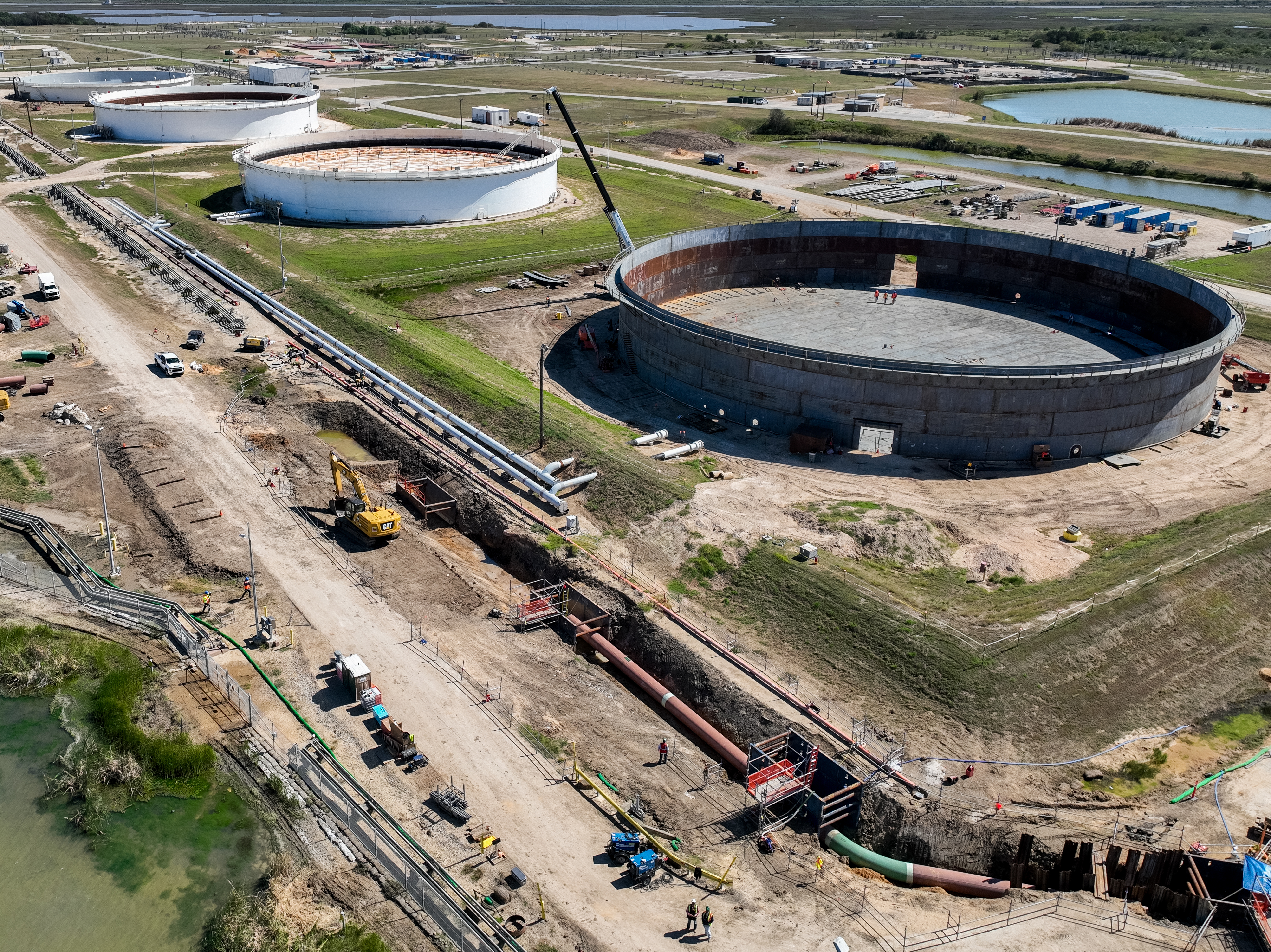
The Trump administration has officially moved forward with plans to sell another 40 million barrels of oil from the Strategic Petroleum Reserve (SPR), signaling an aggressive shift in domestic energy policy. This decision follows a sharp decline where the reserve dropped by nearly 800,000 barrels in a single week, leaving the US energy backstop at a critical vulnerability point.
This analysis examines the implications of this massive liquidation, the alarming warnings from global energy leaders, and the potential long-term impact on US energy security and market stability.
📑 Table of Contents
1. The SPR Depletion Crisis
Latest data released by the US Department of Energy on Monday paints a stark picture of the national energy reserves. The SPR currently sits at 283 million barrels, a decrease from 283.77 million barrels just days prior. To put this in perspective, the remaining volume represents approximately two weeks of total US oil consumption.
The administration's decision to liquidate an additional 40 million barrels in the coming months is a high-stakes gamble. While the goal is likely to lower domestic energy prices and stimulate production, the timing coincides with a period where global supply chains are facing unprecedented pressure.
The Acceleration of Reserve Losses
The recent 800,000 barrel drop in a single week suggests that demand or operational withdrawals are outpacing the current pace of replenishment efforts.
2. Global Reserves Hit 'Scarily Thin' Levels
The concern extends far beyond United States borders. Amin Nasser, the CEO of Saudi Aramco—the world's largest oil producer—explicitly described global reserves as 'scarily thin' on Monday. This rare red flag from the industry's most influential producer suggests that the margin for error in the global market has nearly vanished.
When global stockpiles are low, the role of the US SPR as a global stabilizer becomes more vital. By selling off 40 million barrels now, the US is reducing its primary tool for responding to sudden disruptions in the Middle East or elsewhere.
The Aramco Warning
Nasser's comments indicate that any significant shock to supply could lead to extreme price volatility because there is no buffer left to absorb.
3. Economic Strategy vs. Energy Security Risks
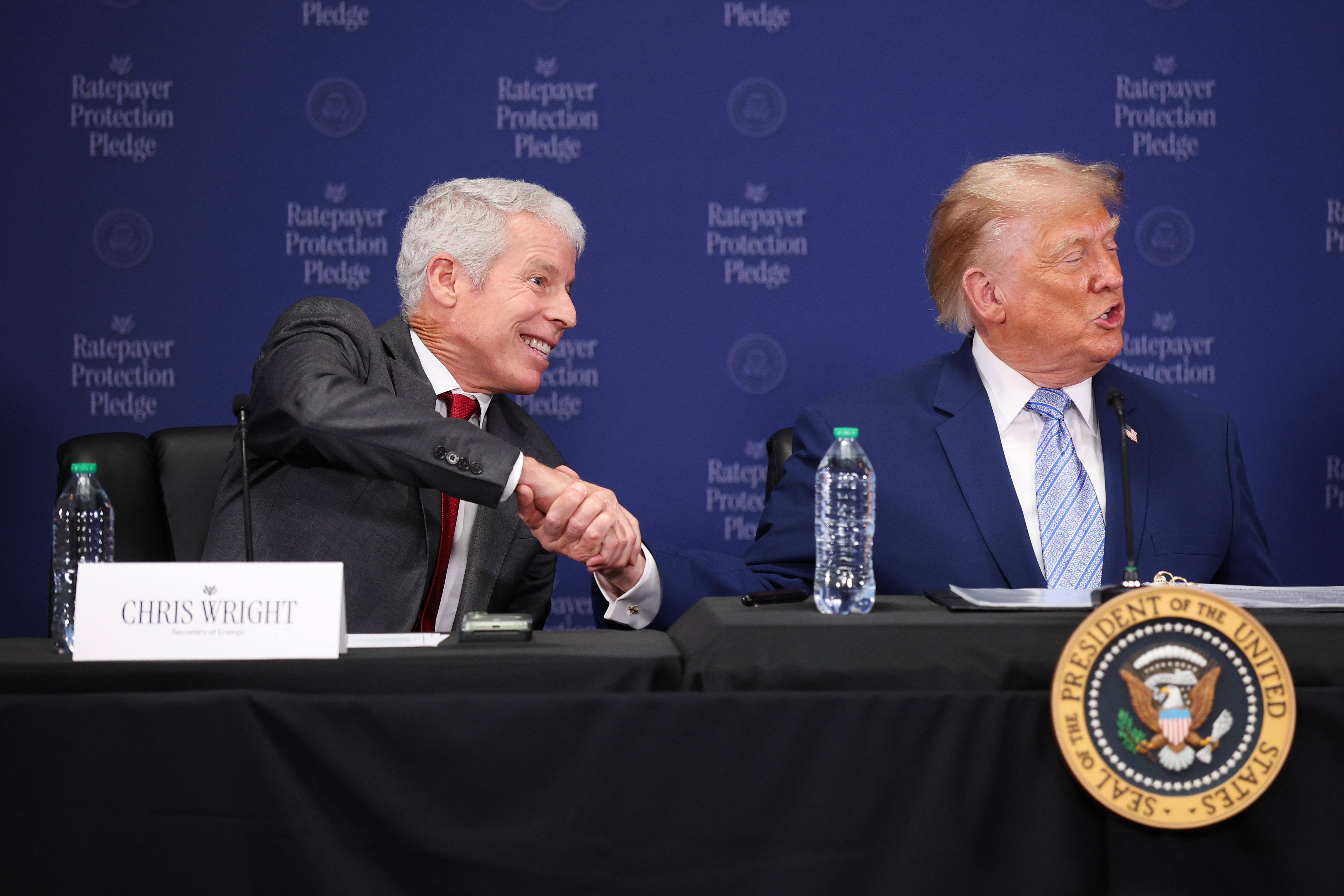
From a policy perspective, the Trump administration views the SPR as a lever to control energy costs. By flooding the market with reserve oil, the administration aims to keep inflation low for American consumers and energize domestic drilling investment. It is a classic supply-side strategy.
However, energy security analysts argue that this strategy is short-sighted. The SPR was originally designed for national emergencies. If a major geopolitical conflict occurs while the reserve is further depleted, the US may find itself unable to prevent a domestic fuel crisis or spike.
The Trade-Off Dilemma
The administration is essentially trading immediate price relief for consumers against the long-term risk of an empty emergency fund.
4. Geopolitical Fallout and Market Reactions
Market participants are reacting with caution. While an SPR sale can downward-pressure oil prices in the short term, the 'thin reserves' narrative is creating long-term fear. If investors believe the US is running out of safety nets, the risk premium on crude oil may actually rise despite the sale.
Furthermore, international allies may be watching closely. The US has historically used the SPR to assist allies during energy crises. With the reserve depleting at this rate, the United States's ability to act as a global lender of last resort for energy is severely diminished.
Market Volatility Outlook
Analysts suggest that the 'scarily thin' reality of global stocks could trigger speculative buying in futures markets, offsetting the administration's goals.
5. The Road Ahead for US Energy Policy
What happens next depends on whether the administration can successfully incentivize domestic production to replace these reserves. Currently, there is no clear, aggressive timeline for refilling the SPR to its pre-crisis levels. Without a robust refill strategy, the US is entering a period of increasing vulnerability.
The next 90 days will be critical. If the 40 million barrel sale does not stabilize prices, or if global tensions continue to rise, the administration may face intense pressure to pivot back to a strategy of reserve stockpiling.
Monitoring the Refill Strategy
The market will be looking for any signs of a government-backed purchase program to replenish the depleted backstop.
🔥 Follow for real-time updates on this energy policy shift as it develops.
Conclusion
The Trump administration is proceeding with a 40 million barrel sale from the SPR as reserves drop to 283 million barrels. This move comes despite warnings from Saudi Aramco that global oil stocks are 'scarily thin.'
The central question remains whether this sale achieves domestic price stability or if it leaves the US dangerously exposed to future global energy shocks.
❓ FAQ
How many barrels is the administration planning to sell?
The administration plans to sell another 40 million barrels from the Strategic Petroleum Reserve.
What is the current level of the SPR?
The reserve currently stands at 283 million barrels, which is about two weeks of US consumption.
Why is Saudi Aramco concerned?
CEO Amin Nasser stated global reserves are 'scarily thin,' leaving little room for supply disruptions.
What is the main goal of the sale?
The goal is to lower domestic energy prices and stimulate US oil production.
Is the SPR being refilled?
There is currently no major aggressive plan announced to refill the reserves to offset these sales.
Comments
Post a Comment