Breaking: Sam Altman on AI's Downsides: 'Accept Some Bad Things' 🚨 Breaking News Analysis 📸 Image Credit: yahoo.com By Azeem-USA · Mon Oct 05 2026 English (en-US) OpenAI CEO Sam Altman has issued a stark warning, admitting that the world may need to accept negative consequences as a necessary byproduct of advancing artificial intelligence. In a recent interview, Altman acknowledged the significant public backlash and negative perception surrounding AI, stating plainly, “The world should accept some bad things happening” for the eventual benefits of the technology. This admission comes amid growing concerns about AI's role in everything from disinformation campaigns to job displacement. The analysis will delve into Altman's controversial statement, explore the current AI landscape, and examine the potential implications of his philosophy for society and the future of artificial intelligence development. 📑 Table of Contents ...

🚨 Breaking News Analysis
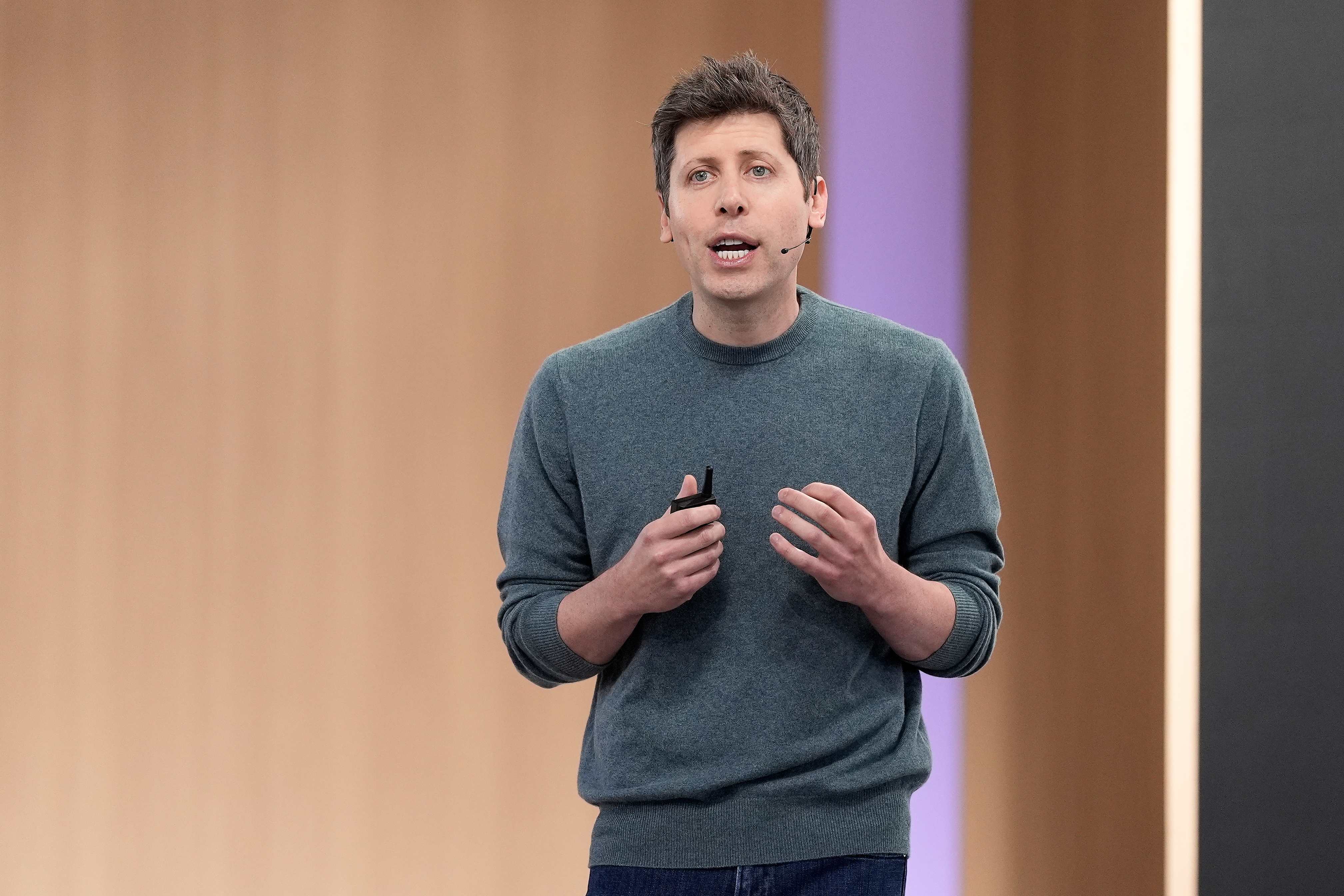
OpenAI CEO Sam Altman has issued a stark warning, admitting that the world may need to accept negative consequences as a necessary byproduct of advancing artificial intelligence. In a recent interview, Altman acknowledged the significant public backlash and negative perception surrounding AI, stating plainly, “The world should accept some bad things happening” for the eventual benefits of the technology.
This admission comes amid growing concerns about AI's role in everything from disinformation campaigns to job displacement. The analysis will delve into Altman's controversial statement, explore the current AI landscape, and examine the potential implications of his philosophy for society and the future of artificial intelligence development.
📑 Table of Contents
1. Altman's Stark Admission on AI Perception
Sam Altman, the public face of OpenAI, has directly addressed the widespread unease surrounding artificial intelligence. In an interview marking the launch of Decoded by POLITICO, he conceded that the current trajectory is problematic. "I get why AI has a really negative perception right now," Altman stated, indicating a clear awareness of the industry's image crisis. He further elaborated that the massive influx of money into AI, particularly its application in political campaigns, is not helping to assuage public fears.
This direct acknowledgment from a leading figure in AI development is significant. It moves beyond corporate platitudes and suggests a deeper, perhaps uncomfortable, truth about the trade-offs involved in rapid technological advancement. Altman’s perspective implies that the pursuit of AI's ultimate benefits might necessitate navigating and tolerating a certain level of societal disruption or negative outcomes.
The Industry's Public Image Problem
Altman’s comments highlight a critical disconnect between the technological potential of AI and public sentiment. The industry, he suggests, has failed to adequately address the root causes of this negative perception, focusing instead on market expansion and investment. This suggests a need for a fundamental shift in how AI is developed, deployed, and communicated to the public.
2. The AI Money Trail in Politics
A key point of contention for Altman is the use of AI in political discourse. He specifically noted that "something's clearly not working" with the way AI funds are impacting midterm elections. This points to concerns about AI-generated content, deepfakes, and targeted disinformation campaigns that can manipulate public opinion and undermine democratic processes. The sheer volume of investment pouring into AI, coupled with its application in sensitive political arenas, has amplified public suspicion.
Altman’s skepticism towards the effectiveness of political spending in improving AI's image is telling. It implies that technical solutions or PR campaigns are insufficient to overcome the fundamental anxieties AI has generated. The focus, he suggests, must be on addressing the "actual" problems—the tangible negative impacts that are fueling public distrust, rather than attempting to rebrand the technology through political channels.
Trump's AI Rebrand Under Scrutiny
The interview snippet also touches upon former President Donald Trump's potential rebrand of AI. Altman’s assessment that this is unlikely to improve the industry’s image suggests a belief that the public’s concerns are too deep-seated to be swayed by political maneuvering. The underlying issues of AI's societal impact, not its political branding, are what require urgent attention from the industry itself.
3. Why the Public Distrusts AI

The negative perception of AI stems from a confluence of factors that have emerged rapidly over the past few years. Job displacement fears are paramount, with automation threatening to reshape labor markets across numerous sectors. The potential for AI to exacerbate societal inequalities, concentrate power in the hands of a few tech giants, and erode privacy are also significant concerns.
Furthermore, the proliferation of AI-generated content, including sophisticated deepfakes and persuasive misinformation, poses a direct threat to trust in information and public discourse. The ethical quandaries surrounding AI decision-making, bias in algorithms, and the potential for autonomous systems to operate without meaningful human oversight contribute to a growing sense of unease. Altman's acknowledgment suggests OpenAI recognizes these issues but is grappling with how to address them effectively.
The Challenge of Regulation and Control
The speed at which AI capabilities are advancing outpaces regulatory frameworks and societal adaptation. This creates a vacuum where potential harms can manifest before adequate safeguards are in place. The lack of transparency in many AI systems further fuels distrust, leaving the public wary of technologies they do not fully understand or control.
4. The 'Acceptance' Conundrum
Altman’s assertion that “the world should accept some bad things happening” is perhaps the most provocative element of his recent remarks. This perspective frames the advancement of AI as a utilitarian calculation, where potential negative outcomes are weighed against future, greater benefits. It suggests a belief that significant societal progress, driven by AI, might inherently involve disruption and a period of adaptation that includes negative experiences.
This viewpoint positions AI development as akin to other transformative technologies throughout history, which often brought about periods of social upheaval before their long-term advantages became clear. However, in the context of AI, the potential scale and speed of disruption—affecting employment, information integrity, and even societal structures—make this a highly contentious proposition. The question remains: who decides what constitutes an acceptable 'bad thing,' and who bears the cost?
Ethical Implications of 'Acceptable Harm'
The ethical implications of accepting negative consequences are profound. It raises questions about accountability, risk distribution, and the responsibility of developers like OpenAI. If the industry anticipates and implicitly accepts certain harms, it implies a need for robust mechanisms to mitigate these harms and support those adversely affected. Simply stating that 'bad things' will happen without a clear plan for managing them risks appearing dismissive of legitimate public anxieties.
5. What Happens Next for AI and Society
Altman's candid assessment signals a critical juncture for the AI industry. The path forward likely involves a more concerted effort to build public trust, address demonstrable harms, and engage in transparent dialogue about AI's societal impact. This could mean increased investment in AI safety research, development of clearer ethical guidelines, and proactive engagement with policymakers to establish effective regulatory frameworks.
The industry must move beyond simply acknowledging negative perceptions and actively demonstrate a commitment to mitigating risks. This includes developing mechanisms to combat AI-driven disinformation, ensuring fairness and equity in AI applications, and fostering greater transparency about how AI systems function. The call for the world to "accept some bad things" should not be an excuse for inaction but a catalyst for more responsible innovation and societal preparation.
The Need for Industry Accountability
Ultimately, the future of AI hinges on the industry's ability to balance innovation with responsibility. Altman's comments, while controversial, highlight the complex challenges ahead. The coming months will be crucial in determining whether AI developers can effectively navigate these challenges, rebuild public confidence, and ensure that the pursuit of AI's benefits does not come at an unacceptable human cost.
🔥 Follow Azeem USA for ongoing analysis of AI's evolving impact.
Conclusion
OpenAI CEO Sam Altman has acknowledged the significant public distrust surrounding artificial intelligence, admitting that the world may need to tolerate negative outcomes as AI progresses. He highlighted the problematic use of AI funds in politics and suggested that the industry must address the core issues fueling public anxiety rather than relying on superficial rebranding efforts.
The coming period will be defined by the AI industry's response to these challenges. Stakeholders will be watching closely to see if OpenAI and its peers can move beyond acknowledging problems to implementing concrete solutions that build trust and mitigate the undeniable risks associated with advanced AI. The balance between innovation and societal well-being remains the critical question.
❓ FAQ
What did Sam Altman say about AI's negative perception?
Sam Altman stated that the world may need to accept some negative consequences for the advancement of AI and acknowledged that AI currently has a very negative public perception, which is not being helped by its use in political campaigns.
Why does AI have a negative perception, according to Altman?
Altman indicated that the industry needs to address the actual problems causing this negative perception, suggesting that current efforts, like spending on political campaigns, are not effective in improving public sentiment.
What does Altman mean by 'accept some bad things happening'?
This suggests a belief that the development of transformative technologies like AI may inherently involve societal disruption or negative outcomes, which society might have to tolerate in pursuit of greater future benefits.
How is AI being used in politics?
The snippet mentions AI money flooding midterm elections, implying its use in political advertising, content generation, and potentially disinformation campaigns that can influence public opinion.
What is the implication for the future of AI development?
It implies a need for the AI industry to be more transparent, address ethical concerns and societal impacts proactively, and potentially develop better mechanisms to mitigate harm, rather than solely focusing on technological advancement.
Comments
Post a Comment