Breaking: Okinawa Erupts as US Marine Arrested in Woman's Killing 🚨 Breaking News Analysis 📸 Image Credit: yahoo.com By Azeem-USA · Wed Oct 07 2026 English (en-US) Mounting anger has erupted in Okinawa following the arrest of a U.S. Marine suspected in the killing of a Japanese woman, Anna Yagi, reigniting decades-old tensions over the significant American military footprint on the southern Japanese island. The incident, which saw Yagi, 39, die of suffocation in a hotel on Saturday, with the suspect, Lance Cpl. Devin Jacob Ballard, 20, also accused of theft, has sent immediate shockwaves through the region and Tokyo. This analysis dives into the immediate fallout of the arrest, the historical context of U.S.-Okinawa relations, why this specific event is so combustible, and the implications for Japan's evolving security posture and bilateral ties. 📑 Table of Contents The Immediate Shockwave Roots of Resentment: A History of Friction Wh...

🚨 Breaking News Analysis
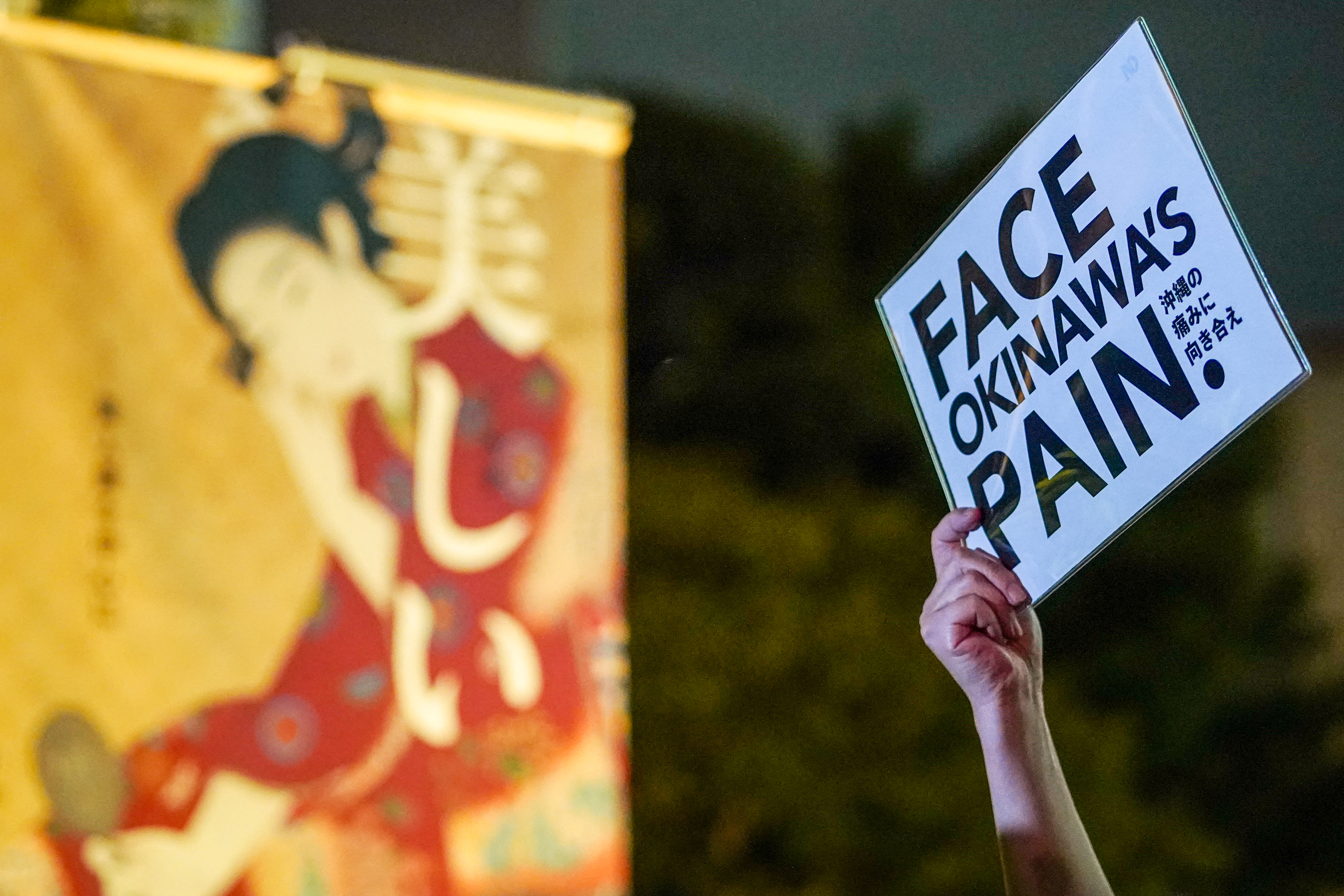
Mounting anger has erupted in Okinawa following the arrest of a U.S. Marine suspected in the killing of a Japanese woman, Anna Yagi, reigniting decades-old tensions over the significant American military footprint on the southern Japanese island. The incident, which saw Yagi, 39, die of suffocation in a hotel on Saturday, with the suspect, Lance Cpl. Devin Jacob Ballard, 20, also accused of theft, has sent immediate shockwaves through the region and Tokyo.
This analysis dives into the immediate fallout of the arrest, the historical context of U.S.-Okinawa relations, why this specific event is so combustible, and the implications for Japan's evolving security posture and bilateral ties.
📑 Table of Contents
1. The Immediate Shockwave
The swift arrest of Lance Cpl. Devin Jacob Ballard, 20, on suspicion of murder and theft has predictably ignited a firestorm in Okinawa. Local police confirmed Yagi died of suffocation. The alleged theft of her wallet and belongings adds a layer of brutality to the crime, fueling public outrage. This incident is not an isolated event, but rather the latest in a long, painful history of crimes involving U.S. service members that have periodically convulsed the prefecture.
The U.S. military presence, while a cornerstone of regional security for decades, has always been a source of deep-seated resentment among Okinawans due to its overwhelming scale and the perceived impunity of some personnel. This latest tragedy strikes at the core of those grievances, threatening to undo any progress made in managing bilateral relations and potentially mobilizing widespread protests.
Public Outcry Demands Accountability
Residents are demanding swift and transparent justice, alongside renewed calls for a reduced U.S. military presence. The proximity of the crime to potential security strategy shifts in Tokyo amplifies the urgency of these demands.
2. Roots of Resentment: A History of Friction
Okinawa bears a disproportionate burden of U.S. military installations in Japan, hosting roughly 70% of U.S. military facilities nationwide despite constituting only about 0.6% of Japan's landmass. This concentration dates back to the post-World War II era and the Battle of Okinawa, a brutal conflict that left deep scars. Since then, the presence has been a constant source of friction.
Numerous incidents, ranging from noise pollution and environmental damage to serious crimes including assaults and murders, have fueled a powerful anti-base movement. Past cases, such as the 2016 murder of a young woman by a former U.S. base worker, have led to significant diplomatic crises and temporary tightening of base access rules, but the fundamental issue of the U.S. military's extensive presence and its impact on local life remains unresolved.
The Economic vs. Social Cost
While the bases contribute economically, many Okinawans argue the social and environmental costs far outweigh the benefits, creating a persistent political divide.
3. Why This Incident Is a Flashpoint

The killing of Anna Yagi by a U.S. Marine lands at a particularly sensitive moment. Japan is actively pursuing its most significant defense buildup since World War II, driven by regional security concerns, particularly from China. A key component of this strategy involves bolstering Japan's own defense capabilities and strengthening its alliance with the United States. However, Okinawa's role is central to this enhanced posture, making any resurgence of anti-U.S. base sentiment particularly problematic for Tokyo.
The alleged criminal act by a U.S. service member directly challenges the narrative of the alliance as a stabilizing force. It provides potent ammunition to those who argue that the U.S. military presence brings more harm than good, regardless of geopolitical necessity. The graphic nature of the alleged crime, coupled with the suspect's youth and rank, further intensifies the emotional response.
The Personal Tragedy and Collective Anger
Beyond the geopolitical implications, this is a profound personal tragedy for the victim and her family, which resonates deeply within a community that has historically felt overlooked and disrespected by the U.S. military presence.
4. Geopolitical Crosscurrents: Tokyo's Security Gambit
Prime Minister Fumio Kishida's administration is charting an ambitious course for Japanese defense. This includes increasing defense spending to 2% of GDP, developing counter-strike capabilities, and strengthening interoperability with the U.S. Forces Japan (USFJ). Okinawa is indispensable to this strategy, serving as a crucial hub for power projection and intelligence gathering.
The U.S. military presence in Okinawa is seen as a vital deterrent against potential aggression in the Indo-Pacific. Therefore, any significant weakening of this presence due to local opposition would complicate Japan's defense plans and potentially embolden adversaries. The U.S. government, while condemning the crime and vowing cooperation, will be keen to avoid a crisis that could undermine its strategic objectives in the region.
Balancing Alliance Needs and Local Concerns
Tokyo faces a difficult balancing act: it must uphold its alliance commitments and national security interests while addressing the legitimate grievances of Okinawan residents, a task made significantly harder by this tragic event.
5. The Path Ahead: Uncertainty and Escalation
The immediate aftermath will likely see intensified protests in Okinawa and renewed pressure on both the Japanese and U.S. governments to take decisive action. Tokyo will be under pressure to demand stricter accountability and potentially revisit agreements governing U.S. military personnel conduct. The U.S. military will face scrutiny over its screening and disciplinary processes.
Analysts suggest that this incident could significantly complicate efforts to advance Japan's security strategy, particularly concerning the relocation of U.S. bases within Okinawa, a long-standing and contentious issue. The trust deficit between Okinawa and both governments may widen, making future cooperation more challenging. The perception of U.S. military personnel as a constant threat, rather than protectors, will likely be reinforced in the minds of many Okinawans.
Key Questions Looming
What specific measures will the U.S. military implement to prevent future incidents? How will Tokyo navigate the competing demands of national security and local sentiment? Will this event trigger a reassessment of the U.S. military's role in Okinawa, or will it be another painful episode absorbed into a long history of protest and limited change?
🔥 Follow Azeem USA for continuous updates and in-depth analysis as this critical story develops.
Conclusion
The arrest of a U.S. Marine in connection with the death of Anna Yagi in Okinawa has plunged the prefecture back into a familiar cycle of anger and protest. This tragedy underscores the persistent challenges of managing the U.S. military presence and its impact on local communities.
The coming weeks will be critical in observing how Tokyo and Washington respond, not just to the immediate demands for justice, but to the deeper, underlying issues that fuel Okinawan resentment. The ability of both governments to address these concerns credibly will significantly shape the future of the U.S.-Japan alliance and regional stability.
❓ FAQ
Who was arrested in connection with the woman's death in Okinawa?
Lance Cpl. Devin Jacob Ballard, 20, a U.S. Marine, was arrested on suspicion of killing Anna Yagi, 39, and stealing her belongings.
What is the historical context of U.S. military presence in Okinawa?
Okinawa hosts a disproportionately large share of U.S. military facilities in Japan, a situation dating back to post-WWII and consistently leading to local grievances over crime, noise, and environmental issues.
Why is this incident particularly significant now?
It occurs as Japan pursues a major defense buildup and strengthens its alliance with the U.S., making renewed anti-base sentiment in Okinawa a significant geopolitical complication.
What are the main demands of Okinawan residents?
Residents often demand a reduced U.S. military presence, greater accountability for crimes committed by service members, and better environmental protection.
What are the potential implications for Japan's security strategy?
This incident could undermine public support for the U.S.-Japan alliance and complicate Japan's efforts to bolster its defense posture and regional security commitments.
Comments
Post a Comment