Breaking: Heating Oil Shock Looms, Bills Could Jump 50% 🚨 Breaking News Analysis 📸 Image Credit: finance.yahoo.com By Azeem-USA · Mon Oct 05 2026 English (en-US) Millions of American households are staring down a potential energy crisis this winter, with forecasts warning that heating oil costs could surge by a staggering 50%, adding nearly $900 to average bills. This analysis breaks down the immediate crisis facing consumers, explores the underlying causes of the dramatic price hikes, identifies the most vulnerable populations, and examines the broader economic and social implications as the cold months approach. 📑 Table of Contents The Looming Winter Bill Shock Why Fuel Prices Are Soaring Who Faces the Biggest Hit? Economic and Social Ripples What Happens Next FAQ #Azeem_USA #Breakingnews #Azeem_USA #Breakingnews 1. The Looming Winter Bill Shock As temperatures begin to drop, a stark reality is setting in for a significant portion of th...

🚨 Breaking News Analysis
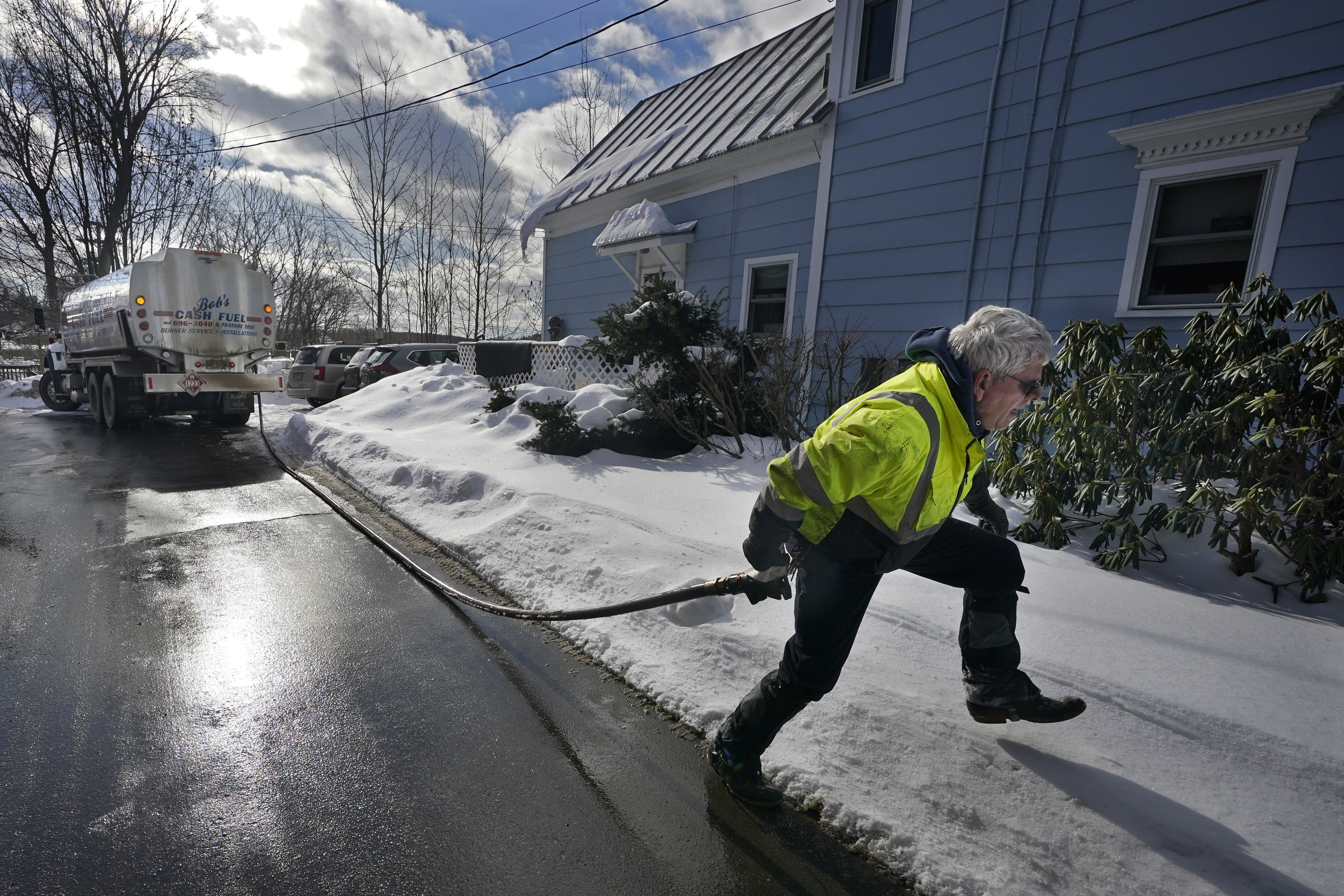
Millions of American households are staring down a potential energy crisis this winter, with forecasts warning that heating oil costs could surge by a staggering 50%, adding nearly $900 to average bills.
This analysis breaks down the immediate crisis facing consumers, explores the underlying causes of the dramatic price hikes, identifies the most vulnerable populations, and examines the broader economic and social implications as the cold months approach.
📑 Table of Contents
1. The Looming Winter Bill Shock
As temperatures begin to drop, a stark reality is setting in for a significant portion of the United States: home heating costs are projected to skyrocket. The National Energy Assistance Directors Association (NEADA) estimates a potential 50% increase in heating oil prices this winter. This isn't a minor inconvenience; for households that rely on heating oil, it translates to an average additional expense of almost $900 per season.
This projection arrives amid a broader global energy crunch, which has already sent gasoline prices to painful highs throughout the year. The convergence of factors is creating a perfect storm, threatening to drain household budgets and exacerbate existing financial strains for millions as they prepare for the coldest months.
The Scale of the Threat
The impact is concentrated primarily in the Northeast and Alaska, regions where heating oil remains a primary fuel source for residential heating. These areas are now facing the brunt of this impending price shock, with nearly 4.8 million households directly affected by the anticipated surge.
2. Why Fuel Prices Are Soaring
The dramatic increase in heating oil costs is not an isolated incident but a symptom of complex global dynamics. Two major geopolitical conflicts are significantly straining global energy supply chains. The ongoing war in Ukraine has disrupted established energy flows, particularly from Russia, while also contributing to broader global economic uncertainty and inflationary pressures.
Simultaneously, other global supply-side issues, including underinvestment in fossil fuel production in recent years and the lingering effects of pandemic-related disruptions, have limited the world's capacity to respond to sudden demand increases or supply shocks. This tight market makes global oil prices, and consequently heating oil prices, highly sensitive to geopolitical events and production levels.
Supply Chain Vulnerabilities Exposed
Heating oil, while distinct from diesel fuel, is refined from crude oil and its price is closely correlated. The global refinement capacity is already stretched thin, and any disruption, whether to crude oil extraction or refinery operations, has an amplified effect on the price of refined products like heating oil. The current geopolitical climate has created persistent uncertainty, discouraging investment and production increases that could otherwise alleviate price pressures.
3. Who Faces the Biggest Hit?

The economic burden of soaring heating oil prices will fall disproportionately on specific demographics and geographic regions. The approximately 4.8 million households that utilize heating oil are primarily located in the Northeast United States – states like Maine, Vermont, New Hampshire, Massachusetts, Rhode Island, Connecticut, and parts of New York and Pennsylvania. Alaska, due to its remote location and reliance on imported fuels, also faces acute vulnerability.
Within these regions, lower-income households and the elderly are likely to suffer the most. These populations often have limited financial buffers and may live in older, less energy-efficient homes, requiring more heating fuel. A 50% price increase, coupled with an added $900 to their bills, could force difficult choices between heating their homes adequately and affording other essential necessities like food and medicine.
Regional Concentration of Risk
The reliance on heating oil in these specific areas means that alternative fuel sources, such as natural gas or electricity, are not readily available or economically viable for a substantial number of homes. This lack of immediate substitution options locks these consumers into facing the full impact of the heating oil price surge, making them particularly susceptible to energy poverty this winter.
4. Economic and Social Ripples
The anticipated spike in heating costs extends beyond individual household budgets, carrying broader economic and social implications. A significant portion of disposable income being diverted to essential heating needs will reduce consumer spending in other sectors, potentially slowing economic growth. Retailers, restaurants, and entertainment venues could see a downturn as consumers tighten their belts to cover energy bills.
Furthermore, the increased financial strain could lead to a rise in energy assistance program demand. Agencies like the Low Income Home Energy Assistance Program (LIHEAP) will face immense pressure to meet the needs of a larger population struggling to afford basic heating. If funding levels do not keep pace with the soaring costs, it could lead to a humanitarian crisis, with vulnerable individuals and families left in cold homes.
Policy and Political Fallout
The political ramifications are also significant. Elevated energy costs are a perennial issue that directly impacts voters' pocketbooks. Policymakers at federal and state levels will face intense pressure to intervene, whether through direct financial assistance, strategic petroleum reserve releases (though less directly applicable to heating oil), or efforts to stabilize global energy markets. The effectiveness and speed of any government response will be closely scrutinized.
5. What Happens Next
The immediate outlook points towards continued volatility in energy markets. Geopolitical developments, global demand trends, and decisions by major oil-producing nations will all play a critical role in determining whether the projected 50% surge materializes or is mitigated. Consumers in affected regions should prepare for higher bills by exploring energy efficiency measures, such as sealing drafts and improving insulation, and by checking eligibility for energy assistance programs.
Longer-term, this crisis underscores the urgent need for greater energy independence and diversification of fuel sources. Investments in renewable energy, improved grid infrastructure, and more robust domestic energy production, alongside strategies to insulate vulnerable populations from price shocks, will be critical to preventing future crises of this magnitude. The coming winter will serve as a stark test of resilience for millions of Americans and a critical inflection point for energy policy.
Monitoring the Forecasts
Analysts will be closely watching updated weather forecasts for the upcoming winter, as colder-than-average temperatures would significantly increase demand and potentially push prices even higher. Additionally, any shifts in international relations or new supply disruptions could rapidly alter the current price trajectory. The situation remains fluid, demanding constant attention from consumers, policymakers, and markets alike.
🔥 Follow Azeem USA for breaking updates on the energy crisis and its impact.
Conclusion
Heating oil costs are poised for a dramatic increase this winter, threatening to add nearly $900 to the bills of millions of American households, particularly in the Northeast and Alaska. This surge is driven by a global energy crunch exacerbated by ongoing geopolitical conflicts and strained supply chains.
The coming months will test the financial resilience of affected families and demand swift action from policymakers. Consumers should brace for higher costs and seek available assistance, while the nation faces renewed calls for energy diversification and efficiency improvements to mitigate future crises.
❓ FAQ
What is the projected increase in heating oil costs this winter?
Estimates suggest heating oil costs could jump by 50% this winter, adding approximately $900 to the average household's heating bill.
Which regions of the US are most affected?
The Northeast and Alaska are most affected, as these regions have a significant number of households relying on heating oil.
How many households are impacted?
Nearly 4.8 million households are expected to be impacted by the rise in heating oil costs.
What are the main reasons for the price increase?
The increase is driven by a global energy crunch, strained global supply chains, and disruptions caused by ongoing geopolitical conflicts.
What can consumers do to prepare?
Consumers can explore energy efficiency measures like improving insulation and sealing drafts, and check eligibility for energy assistance programs like LIHEAP.
Comments
Post a Comment