Breaking: Fake Jane Does Flood Internet Amid Cornell Rape Case Threats 🚨 Breaking News Analysis 📸 Image Credit: yahoo.com By Azeem-USA · Tue Oct 06 2026 English (en-US) An unprecedented online campaign is deploying a swarm of 'fake Jane Doe' identities across the internet. This digital shield is being erected to protect the real Jane Doe, the plaintiff in a high-profile civil lawsuit alleging she was drugged and raped by fraternity members at Cornell University in 2024. The move comes as the plaintiff faces escalating threats aimed at exposing her identity. This analysis delves into the mechanics of this unusual online strategy, the nature of the threats, and the broader implications for victims of sexual assault, legal proceedings, and online safety. 📑 Table of Contents The Online Counter-Offensive Escalating Threats Against the Plaintiff Why This Tactic Matters Legal and Ethical Minefields What Happens Next FAQ #Azeem_USA #Breakin...

🚨 Breaking News Analysis

An unprecedented online campaign is deploying a swarm of 'fake Jane Doe' identities across the internet. This digital shield is being erected to protect the real Jane Doe, the plaintiff in a high-profile civil lawsuit alleging she was drugged and raped by fraternity members at Cornell University in 2024. The move comes as the plaintiff faces escalating threats aimed at exposing her identity.
This analysis delves into the mechanics of this unusual online strategy, the nature of the threats, and the broader implications for victims of sexual assault, legal proceedings, and online safety.
📑 Table of Contents
1. The Online Counter-Offensive
In recent weeks, supporters of the Cornell rape case plaintiff have initiated a sophisticated online operation. The core of this strategy involves creating numerous social media profiles and online personas using the name 'Jane Doe.' These fabricated identities are designed to flood search results and online discussions, effectively burying any genuine information that could lead to the plaintiff's real identity.
This proactive digital defense aims to create a smokescreen, making it significantly harder for those seeking to harass or identify the accuser. The tactic leverages the sheer volume of online content, overwhelming potential trackers with a deluge of false leads and decoy profiles. It's a digital manifestation of witness protection, adapted for the modern age.
Volume as a Weapon
The strategy relies on the principle of overwhelming volume. By creating hundreds, if not thousands, of 'Jane Doe' accounts, the operation makes it incredibly difficult for any single piece of leaked information to gain traction or be definitively linked to the actual plaintiff.
2. Escalating Threats Against the Plaintiff
The urgency behind this online campaign is directly tied to credible threats against the plaintiff. Her lawyer, Thomas Giuffra, has publicly stated that his client has received 'multiple threats' in recent days. These threats are explicitly aimed at unmasking her identity, a move that could have severe consequences for her safety and well-being.
Giuffra’s comments to CNN underscored the gravity of the situation, revealing that individuals are actively trying to 'track her down.' This indicates a coordinated effort by parties who may wish to intimidate the plaintiff, discredit her claims, or simply expose her to public scrutiny and potential retaliation. The online 'fake Jane Doe' campaign is a direct response to this tangible danger.
Targeted Harassment Fears
The fear is not just of online harassment, but potentially real-world consequences. Exposing the plaintiff's identity could lead to doxing, stalking, and further psychological distress, potentially jeopardizing her ability to pursue justice through the legal system.
3. Why This Tactic Matters
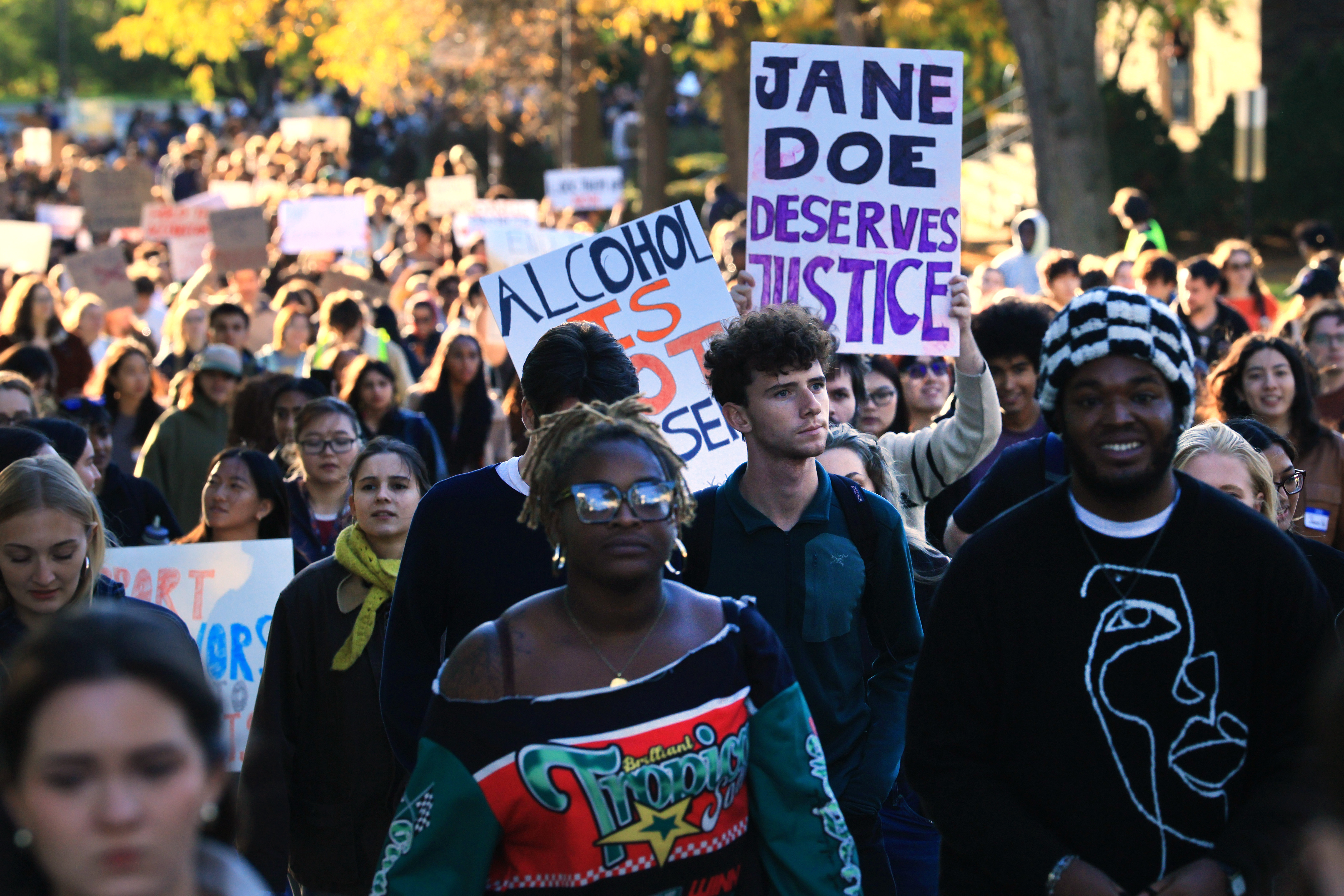
This online counter-offensive highlights a critical issue: the vulnerability of sexual assault victims in the digital age. While legal systems strive to protect plaintiffs, the pervasive nature of the internet presents unique challenges. The 'fake Jane Doe' strategy is an innovative, albeit unconventional, attempt to mitigate these digital risks.
It underscores how justice-seeking can now extend beyond the courtroom, requiring robust digital defense mechanisms. For victims who fear reprisal or public shaming, anonymity is paramount. This tactic acknowledges that protecting identity often requires proactive, and sometimes unorthodox, measures in the online sphere, moving beyond traditional legal protections.
A New Frontier for Victim Support
The campaign demonstrates the lengths to which supporters will go to ensure a victim's safety and their ability to seek recourse. It signals a growing recognition that online threats require sophisticated, digitally-savvy countermeasures, pushing the boundaries of victim support strategies.
4. Legal and Ethical Minefields
While the intention is to protect the plaintiff, the use of 'fake Jane Does' raises complex legal and ethical questions. The strategy borders on deception, potentially misleading the public and even parties involved in the lawsuit. Courts typically have specific protocols for protecting victim identities, often through anonymization orders, but this grassroots digital campaign operates outside those formal channels.
Questions arise about the transparency of such actions and their potential impact on the perception of the case. Critics might argue that such tactics could be seen as an attempt to manipulate public opinion or obscure facts, even if the motivation is protection. The long-term legal ramifications of employing such widespread digital decoys remain unclear and could potentially be challenged.
Navigating Deception and Protection
The core challenge lies in balancing the absolute necessity of protecting a vulnerable victim with the principles of transparency and fair play in legal and public discourse. This tactic, while born of necessity, treads a fine line.
5. What Happens Next
The immediate focus will be on the effectiveness of this digital shield. Will it successfully deter those attempting to identify the plaintiff? The Cornell rape case itself will continue to unfold, with legal proceedings likely to draw significant attention. The plaintiff's ability to participate fully and safely in these proceedings hinges on her continued anonymity.
We can expect scrutiny of this tactic from legal analysts and potentially from parties involved in the lawsuit. The long-term implications for how victims' identities are protected in high-profile cases, particularly those involving digital threats, will be a key area to watch. The success or failure of this campaign could set precedents for future digital defense strategies for victims.
Monitoring the Digital Landscape
The ongoing monitoring of online spaces for any signs of the plaintiff's identity being compromised will be crucial. The legal team and their supporters will need to remain vigilant, adapting their strategies as needed to counter any new threats or attempts at exposure.
🔥 Follow Azeem USA for ongoing analysis of this developing story.
Conclusion
The deployment of 'fake Jane Doe' online personas represents a novel and urgent response to escalating threats against a plaintiff in the Cornell rape case. This digital strategy aims to safeguard her identity amidst fears of doxing and harassment.
The coming weeks will reveal the efficacy of this unique defense. Attention will remain on the safety of the plaintiff and the unfolding legal battle, as well as how this digital tactic might influence future victim protection measures in the digital age.
❓ FAQ
What is the 'fake Jane Doe' tactic?
It involves creating numerous fake online profiles using the name 'Jane Doe' to flood the internet and protect the real plaintiff's identity from those trying to expose her.
Why is this happening in the Cornell rape case?
The plaintiff in the Cornell rape case has reportedly received threats aimed at revealing her real identity, prompting supporters to create this digital shield.
Who is behind this online campaign?
The campaign is reportedly being run by supporters of the Jane Doe plaintiff.
What are the potential risks of this tactic?
It raises legal and ethical questions about deception and transparency, and could potentially be challenged in court or affect public perception of the case.
What is 'Jane Doe'?
'Jane Doe' is a pseudonym used in legal cases to protect the identity of a party, typically a victim or a minor, whose privacy needs safeguarding.
Comments
Post a Comment