Breaking: Apple Unveils HomeView, Challenging Smart Home Dominance 🚨 Breaking News Analysis 📸 Image Credit: tech.yahoo.com By Azeem-USA · Tue Oct 13 2026 English (en-US) Apple officially threw its hat into the crowded smart home ring Tuesday, unveiling the HomeView, its first dedicated smart hub designed to place Siri at the core of household control. This move, after months of speculation, signals Apple’s significant push to capture a larger share of the increasingly lucrative smart home market. This analysis dissects the HomeView's features, its strategic timing, the competitive pressures it faces, and the potential ramifications for both Apple and its rivals. 📑 Table of Contents The Big Reveal: Apple's Smart Home Ambitions Take Shape HomeView Unpacked: Features and Functionality Why Now? The Competitive Landscape and Apple's Strategy Market Reaction and Potential Fallout The Road Ahead: What's Next for Apple in the Smart Ho...

🚨 Breaking News Analysis
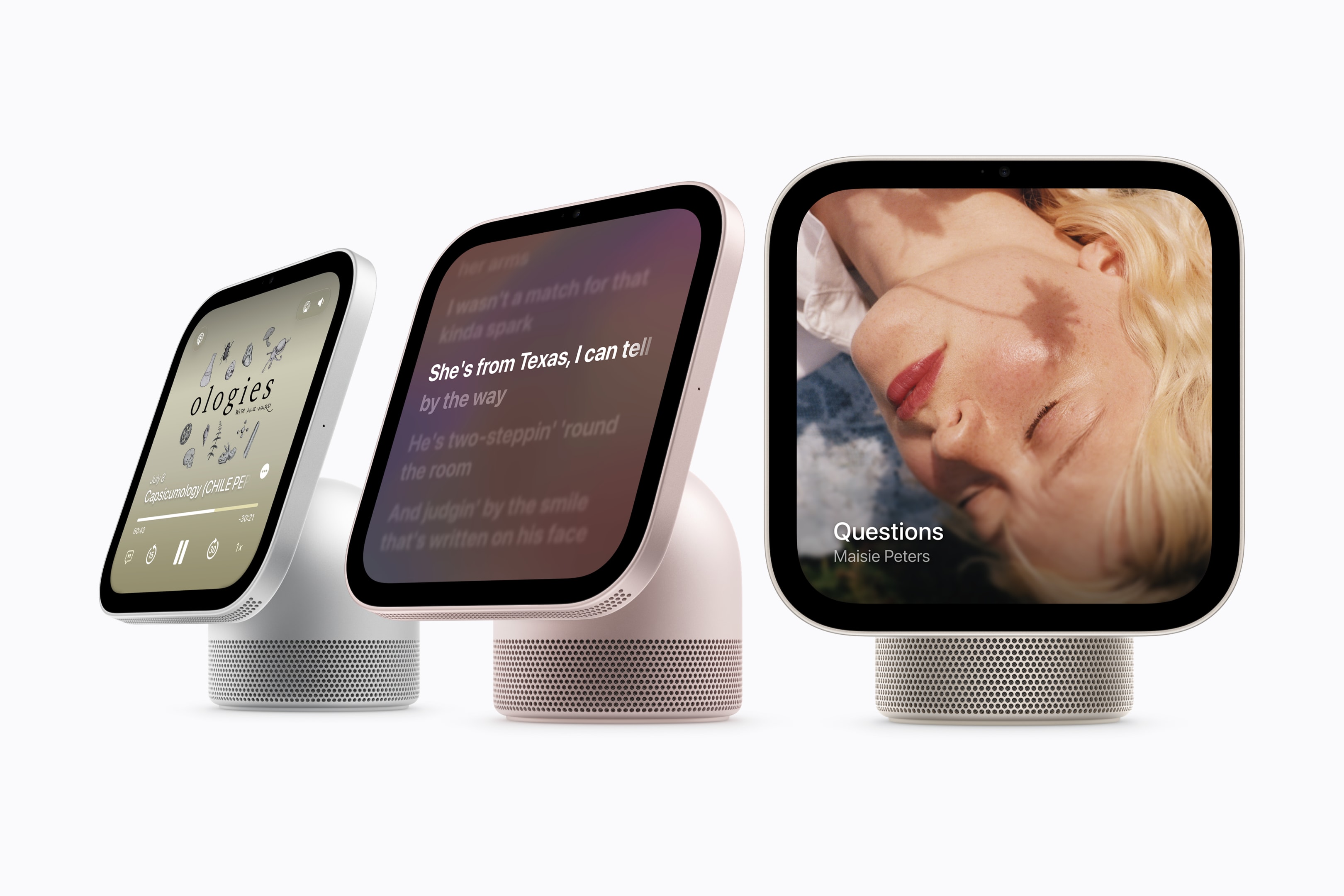
Apple officially threw its hat into the crowded smart home ring Tuesday, unveiling the HomeView, its first dedicated smart hub designed to place Siri at the core of household control. This move, after months of speculation, signals Apple’s significant push to capture a larger share of the increasingly lucrative smart home market.
This analysis dissects the HomeView's features, its strategic timing, the competitive pressures it faces, and the potential ramifications for both Apple and its rivals.
📑 Table of Contents
1. The Big Reveal: Apple's Smart Home Ambitions Take Shape
For years, Apple has integrated Siri into its devices, but a central, dedicated smart home hub has remained conspicuously absent. The announcement of HomeView, priced at $299, marks a definitive shift. This isn't just an accessory; it's a strategic statement of intent, leveraging Siri's voice command capabilities to manage connected devices, play media, and offer information.
The device's dual form factors – a countertop unit and a wall-mountable slab – both featuring touchscreens and cameras, underscore Apple's design philosophy. It aims for seamless integration into the home environment, a stark contrast to some of the more utilitarian smart speakers on the market.
A Long Time Coming
Industry watchers have long predicted Apple’s entry into this space, fueled by its existing ecosystem of iPhones, iPads, and HomePods. The HomeView appears to consolidate and amplify these efforts, promising a more cohesive experience for users invested in Apple products.
2. HomeView Unpacked: Features and Functionality
At its heart, HomeView is a Siri-powered command center. Users can issue voice commands to control lights, thermostats, locks, and other compatible smart home devices. The integrated touchscreens offer a visual interface, allowing for more nuanced control and interaction, a feature often lacking in voice-only devices.
The inclusion of cameras suggests potential for video calls, home security monitoring, or even facial recognition to personalize user experiences. This multi-modal approach – voice, touch, and potentially visual – aims to create a more intuitive and versatile smart home hub. Reports indicate support for existing smart home protocols, crucial for broad compatibility.
Seamless Ecosystem Integration
The true power of HomeView likely lies in its integration with Apple's existing ecosystem. For iPhone users, the transition to managing their smart home through a dedicated Apple device could be exceptionally smooth, leveraging familiar interfaces and established Apple ID credentials.
3. Why Now? The Competitive Landscape and Apple's Strategy

The smart home market is far from nascent; it's dominated by established players like Amazon's Echo devices and Google's Nest Hubs. Apple's late entry raises questions about its competitive strategy and market positioning. The $299 price point places HomeView at a premium, suggesting it's targeting a segment of consumers less sensitive to cost and more focused on brand integration and premium features.
Apple's strategy appears to hinge on its strong brand loyalty and its tightly controlled hardware-software ecosystem. Unlike competitors who often rely on third-party integrations and open platforms, Apple's approach prioritizes a curated, secure, and seamless user experience. This could appeal to existing Apple users seeking a unified smart home solution.
Siri's Crucial Role
The success of HomeView is intrinsically tied to the performance and perceived intelligence of Siri. While Siri has improved, it has historically lagged behind competitors in natural language processing and task execution. Apple's investment in HomeView suggests a renewed commitment to elevating Siri's capabilities, making it a more formidable competitor in the AI assistant race.
4. Market Reaction and Potential Fallout
Initial reactions from the tech industry are mixed, with analysts weighing Apple's brand power against the established market presence of its rivals. Some see HomeView as a significant threat, capable of leveraging Apple's massive customer base to gain traction. Others argue that the premium pricing and late entry could limit its mass-market appeal.
The announcement immediately puts pressure on Amazon and Google to innovate further. Consumers, meanwhile, stand to benefit from increased competition, potentially leading to improved features, better performance, and more competitive pricing across the smart home market. The integration of cameras and touchscreens could also set new benchmarks for smart hub functionality.
Ecosystem Lock-In Concerns
Privacy advocates and tech ethicists are likely to scrutinize HomeView's data collection and usage policies, given Apple's historical emphasis on user privacy. However, the deep integration also raises concerns about potential ecosystem lock-in, making it harder for users to switch away from Apple's services once invested.
5. The Road Ahead: What's Next for Apple in the Smart Home?
The HomeView is just the first step in what is expected to be a more aggressive push by Apple into the smart home. Future iterations could see further integration with Apple TV, enhanced home security features, and more sophisticated AI capabilities for Siri. The success of this initial launch will heavily influence the pace and direction of these future developments.
Key metrics to watch will include pre-order numbers, early reviews focusing on performance and usability, and how quickly developers adopt HomeView into their smart home platforms. Apple’s ability to convince consumers that HomeView offers a superior, more integrated experience compared to existing solutions will be paramount.
A Long-Term Play
Analysts suggest that Apple views the smart home not just as a product category but as a critical battleground for the future of personal technology. By placing Siri front-and-center in the home, Apple aims to solidify its role as an indispensable part of users' daily lives, extending its influence beyond mobile devices and into the very fabric of the home.
🔥 Follow Azeem USA for ongoing analysis and updates on Apple's smart home strategy.
Conclusion
Apple has officially launched the $299 HomeView, its inaugural smart home hub designed to amplify Siri's presence in households. This move signifies a major strategic play in a competitive market, leveraging Apple's ecosystem and design prowess.
The coming months will reveal whether HomeView can carve out a significant niche against entrenched rivals. Consumers should monitor performance reviews, pricing strategies, and the development of third-party integrations as Apple seeks to redefine smart home control.
❓ FAQ
What is Apple HomeView?
Apple HomeView is Apple's first dedicated smart home hub, designed to place its Siri voice assistant at the center of home automation and control.
How much does Apple HomeView cost?
The Apple HomeView is priced at $299.
What are the key features of HomeView?
Key features include Siri voice command integration, touchscreens, cameras, and the ability to control various smart home devices.
When was Apple HomeView announced?
Apple officially announced the HomeView on Tuesday.
Is HomeView Apple's first smart home product?
While Apple has integrated smart home capabilities into other products like HomePod, HomeView is its first dedicated smart home hub device.
Comments
Post a Comment