
A Democratic candidate denies orchestrating a scheme to confuse voters by fielding a namesake of the incumbent Republican.
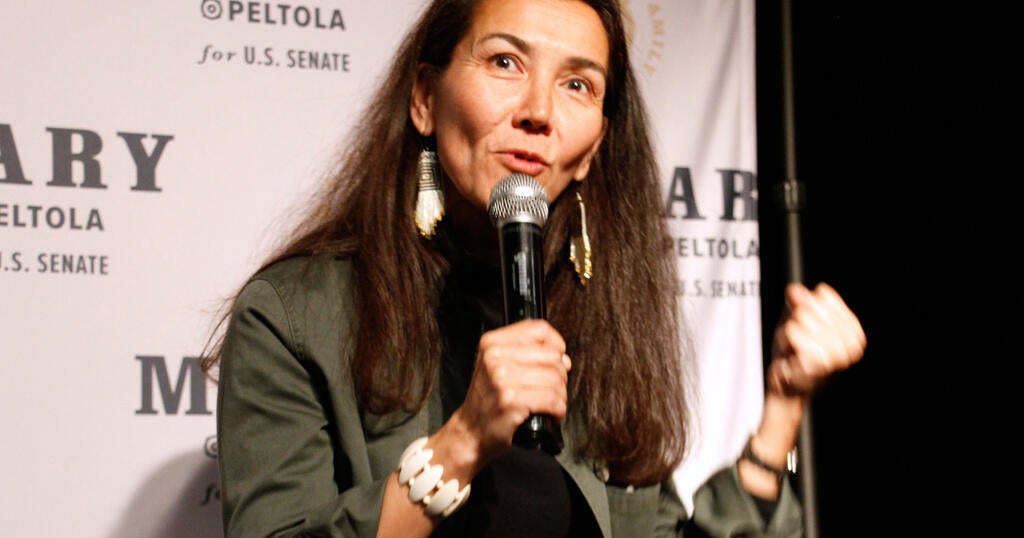
- The Lead: Democratic Alaska Senate candidate Mary Peltola denies knowledge of a plan to place a person with the same name as incumbent Republican Sen. Dan Sullivan on the ballot.
- The Context: Operatives are accused of recruiting a second 'Dan Sullivan' to potentially siphon votes from the incumbent in a closely watched election.
- The Impact: The controversy has ignited accusations of voter manipulation and sparked a debate over ethical campaign practices in Alaska.
- What's Next: Election officials will review the ballot situation, while campaigns brace for further political fallout and scrutiny.
In the complex tapestry of American politics, a peculiar controversy has emerged in Alaska, threatening to complicate the state's upcoming Senate election. Democratic candidate Mary Peltola has vehemently denied any knowledge of a strategy involving a second 'Dan Sullivan' appearing on the ballot, a move that critics allege was designed to confuse voters and siphon support from the incumbent Republican, Senator Dan Sullivan.
The accusation, which surfaced following reports of operatives seeking to recruit a person with the same name, strikes at the heart of electoral integrity. This briefing unpacks the unfolding situation, examining the claims, Peltola's defense, and the broader implications for political campaigning.
What We Know So Far: The 'Namesake' Controversy
Reports emerged alleging that political operatives sought to place a candidate named Dan Sullivan on the ballot for the upcoming Alaska Senate race, a move seen by many as a tactic to confuse voters and potentially draw votes away from the incumbent Republican, Senator Dan Sullivan. This strategy, if intentional, could exploit voter recognition and name similarity to alter election outcomes.
Democratic candidate Mary Peltola, who is also running for the Senate, has firmly distanced herself from any such scheme. In a statement, she asserted her commitment to running a clean campaign and denied any involvement or prior knowledge of the recruitment of a namesake candidate. She stated, "I am not interested in tricking voters. I have always run a clean campaign, and I will continue to do so." The Democratic Party of Alaska has also denied any role in the alleged plot.
The Accusation's Genesis
The controversy appears to stem from discussions or actions by third-party operatives, rather than the Peltola campaign directly. The specifics of who initiated the recruitment and their precise motivations remain under investigation, but the timing and nature of the alleged maneuver have drawn immediate scrutiny from political observers and the incumbent's camp.
“I am not interested in tricking voters. I have always run a clean campaign, and I will continue to do so.”
The Bigger Picture: A History of Ballot Maneuvers
The tactic of using namesake candidates, often referred to as 'fluke' or 'spoiler' candidates, is not new in American politics. Historically, such strategies have been employed, sometimes successfully, to create confusion or dilute the vote for a prominent candidate. These instances often highlight loopholes in election laws or administrative procedures that allow for such occurrences.
In many jurisdictions, election rules are designed to prevent deliberate deception, but the line between a legitimate candidate and a strategic placement can be blurry. The debate often centers on intent: Was the namesake candidate a genuine contender with a platform, or was their primary purpose to exploit name recognition? This particular case in Alaska brings these historical precedents into sharp focus.
Legal and Ethical Precedents
Election law often grapples with preventing voter deception. However, the ability to run under one's legal name is a fundamental right. The challenge for election officials and the public lies in discerning genuine candidacy from strategic manipulation, especially when the alleged orchestrators are third-party actors and not the candidate themselves.
Reactions & Fallout: Campaigns and Officials Respond
The incumbent, Senator Dan Sullivan, has not directly commented on the specifics but his campaign has been quick to highlight the allegations. His team has emphasized the importance of transparency and fair play in the electoral process, implicitly drawing a contrast with the alleged tactics. The Republican Party of Alaska has also signaled concern, calling for a thorough review of the circumstances.
Election officials in Alaska are reportedly reviewing the situation to determine the validity of the ballot and any potential violations of election law. The state's election division is tasked with ensuring that all candidates meet eligibility requirements and that the ballot remains clear and unambiguous for voters. The outcome of this review could have significant implications for the ballot's final composition.
Party Denials and Scrutiny
Both the Peltola campaign and the Democratic Party of Alaska have issued strong denials, aiming to contain the political damage. They stress Peltola's consistent record and commitment to ethical campaigning. However, the controversy provides ammunition for political opponents seeking to frame the election around integrity and trustworthiness.

Critical Fault Lines: The Ethics of Voter Confusion
At the core of this controversy is the ethical debate surrounding voter confusion. Critics argue that any strategy designed to deliberately mislead voters, regardless of who orchestrates it, undermines democratic principles. They contend that elections should be decided on policy and candidate qualifications, not on the ability to exploit name similarities.
Conversely, some might argue that voters bear the responsibility to research candidates and that campaigns are simply leveraging available political tools. However, the prevailing view in many quarters is that exploiting name recognition through a namesake candidate crosses an ethical boundary, particularly if the intent is demonstrably to deceive. The situation forces a confrontation between the right to run for office and the imperative to protect the integrity of the vote.
The Role of Operatives
A key fault line is the involvement of third-party operatives. If these individuals acted independently, it complicates direct attribution to a campaign. Yet, the impact on the election remains the same, raising questions about accountability and the broader ecosystem of political strategy that may permit such tactics.
On the Radar: What Happens Next in Alaska
The immediate next step involves a thorough review by Alaska's election authorities. They will examine the circumstances surrounding the potential second 'Dan Sullivan' candidate, including their eligibility and the process by which they might appear on the ballot. Any findings could lead to disqualification or other administrative actions, potentially resolving the immediate ballot issue.
Beyond the administrative review, the political fallout will likely continue. Both campaigns will need to navigate the narrative surrounding this controversy. For Peltola, it means reinforcing her message of integrity. For Senator Sullivan, it presents an opportunity to highlight concerns about electoral fairness. The media will undoubtedly continue to scrutinize the roles of operatives and campaigns in this unfolding drama.
Key Milestones to Watch
Voters and analysts will be watching for official rulings from election bodies, further statements from involved parties, and how this controversy might influence polling or voter sentiment as the election draws closer.
🎯 The Bottom Line
The Bottom Line: This 'namesake' controversy, regardless of its ultimate resolution, serves as a stark reminder of the constant tension between competitive campaigning and electoral integrity. The focus now shifts to election officials and how they will ensure a fair and unambiguous ballot for Alaskans.
As this story continues to develop, The Azeem USA Briefing will remain on the ground, providing you with the clear, authoritative coverage you expect. Stay tuned for further updates as this critical election narrative unfolds.
Subscribe to The Azeem USA Briefing for unparalleled insights into the stories shaping America and the world.
📬 Reader Q&A: Key Questions Answered
Q: Who is Mary Peltola?
Mary Peltola is the Democratic candidate for the U.S. Senate race in Alaska. She has previously served in the U.S. House of Representatives.
Q: Who is Dan Sullivan?
Dan Sullivan is the incumbent Republican U.S. Senator for Alaska, seeking re-election.
Q: What is the 'namesake' controversy?
It involves allegations that political operatives sought to place a candidate named Dan Sullivan on the ballot to confuse voters and potentially take votes from the incumbent Senator Dan Sullivan.
Q: Has Mary Peltola denied involvement?
Yes, Mary Peltola has explicitly stated she is not interested in tricking voters and has always run a clean campaign, denying any knowledge of the alleged recruitment.
Q: What are the potential consequences?
The situation could lead to the disqualification of a namesake candidate, intense political scrutiny, and further debate on ethical campaign practices and election integrity in Alaska.
Comments
Post a Comment