BREAKING: GOP Challenges Midterm Polling Accuracy Amid Election Fears 🚨 Breaking News Analysis By Azeem-USA · Thu Oct 15 2026 English (en-US) Republicans are increasingly questioning the validity of current polling data as the midterm elections draw near, signaling a significant shift in party strategy. Despite data showing a difficult uphill battle, GOP leadership is leaning into the narrative that pollsters have historically failed to capture the true sentiment of the American electorate. This analysis examines the GOP's move toward polling skepticism, the specific historical precedents they are citing to justify their stance, and how this narrative might impact the final push toward November 3. 📑 Table of Contents The GOP Pivot Against Poll Data Historical Precedents as a Political Shield Why the Skepticism Matters Now Strategic Implications for Voter Mobilization What to Watch as November Nears FAQ #Azeem_USA #Breakingnews #Azeem_USA...

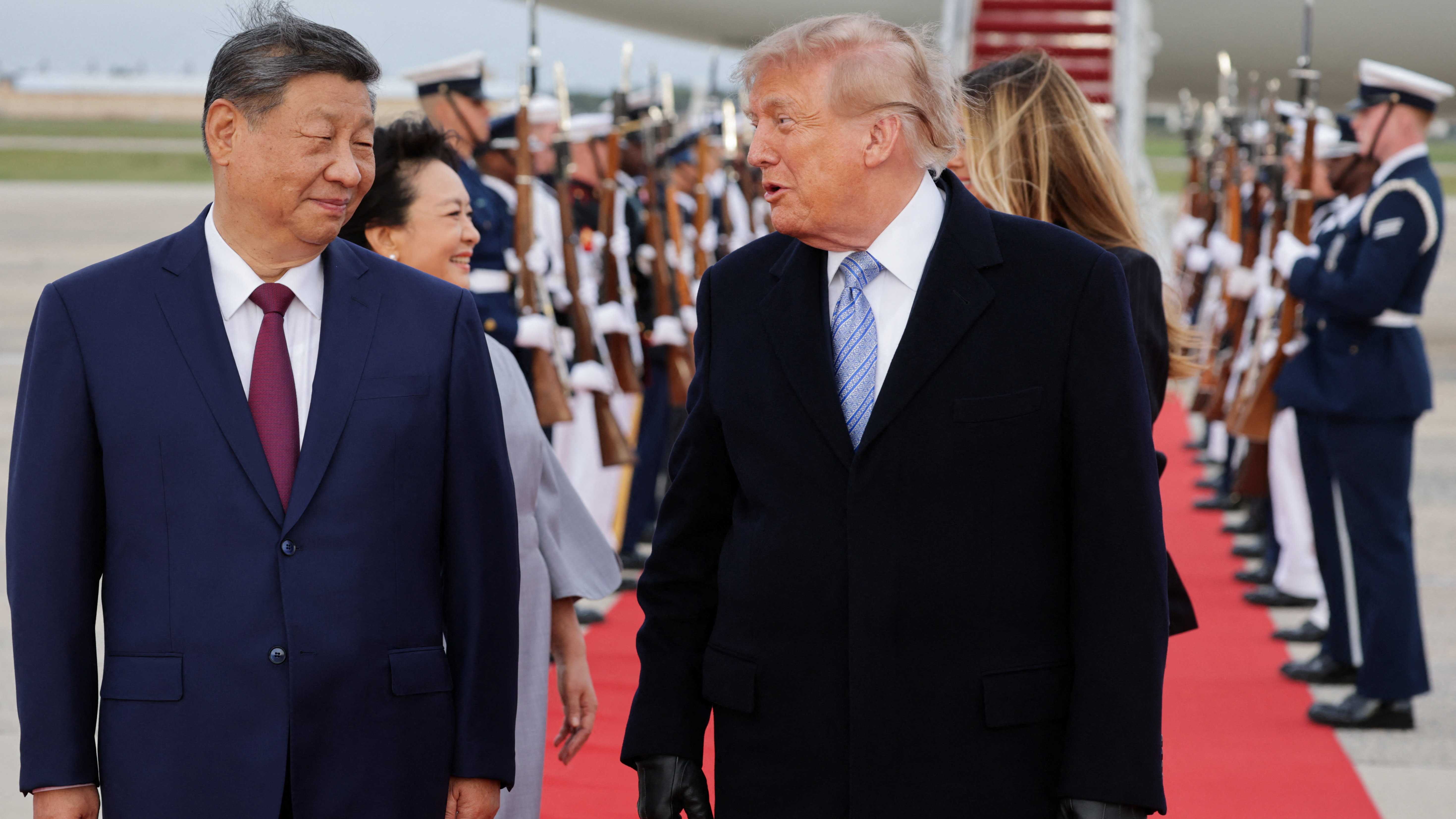
The arrival of Chinese President Xi Jinping on American soil is always a significant event, a moment that captures global attention. This latest visit, however, is marked by a striking dichotomy in reception, a clear divergence between the executive branch's diplomatic engagement and the legislative branch's more critical stance.
Understanding this contrast is crucial for grasping the complexities of the modern US-China relationship, a dynamic that impacts everything from global trade and technological innovation to international security. Azeem USA delves into the reasons behind this split reception, examining the key issues that divide Washington and Beijing.
📑 Table of Contents
1. The White House Welcome: A Diplomatic Overture
Upon his arrival, President Xi Jinping was met with the customary diplomatic courtesies extended to heads of state. The White House, under the purview of the President, often prioritizes maintaining open channels of communication and managing the relationship with China, a global superpower with whom the US shares intricate economic and strategic ties. This approach typically involves seeking areas of cooperation, even amidst broader disagreements, and engaging in direct dialogue to de-escalate potential conflicts and find common ground on issues like climate change or global health.
The administration's strategy often hinges on a pragmatic assessment of US interests, recognizing that complete disengagement with China is neither feasible nor desirable. By offering a degree of warmth and a platform for high-level discussions, the White House aims to steer the relationship towards a more stable footing, preventing minor disputes from spiraling into major crises. This carefully calibrated engagement seeks to achieve specific policy objectives while projecting an image of American leadership and diplomatic maturity on the world stage.
Seeking Areas of Common Interest
The White House endeavors to identify and cultivate shared interests, such as economic stability and non-proliferation, where collaboration with China can yield mutual benefits. This strategic focus allows for targeted engagement without necessarily endorsing all of China's policies.
2. Capitol Hill's Scrutiny: A Congress Unimpressed
In stark contrast to the executive branch's measured approach, members of Congress, representing a broad spectrum of the American political landscape, have voiced significant concerns and criticisms regarding China's actions. Lawmakers from both parties have consistently adopted a hawkish stance, viewing China's growing influence and assertive foreign policy with deep suspicion. This bipartisan consensus on China’s challenges stems from a range of issues, including trade imbalances, intellectual property theft, human rights abuses, and military expansion.
The legislative branch often operates with a different mandate, serving as a check on executive power and a forum for expressing the diverse concerns of the American populace. For members of Congress, there is often perceived political capital to be gained by taking a strong, critical stance against China, resonating with constituents who feel the economic and strategic impacts of China's policies. Speeches, press conferences, and legislative initiatives from Capitol Hill frequently highlight alleged transgressions, demanding accountability and a tougher approach from the US government.
Legislative Concerns and Criticisms
Congressional leaders frequently articulate concerns about China's human rights record, its economic practices, and its geopolitical ambitions, often calling for more stringent policies and enforcement measures.
3. Underlying Tensions: Trade, Tech, and Taiwan

The friction between the White House and Capitol Hill over Xi's visit is deeply rooted in long-standing geopolitical and economic disputes. For years, the US has grappled with China over issues such as unfair trade practices, forced technology transfers, and the protection of intellectual property. These economic grievances fuel much of the skepticism on Capitol Hill, where many believe the US has not adequately protected its industries and workers from what they perceive as China's predatory economic behavior.
Beyond trade, the technological competition between the two nations has become a major battleground. The US is increasingly concerned about China's advancements in areas like artificial intelligence, 5G technology, and semiconductors, fearing that Beijing could gain a strategic advantage. The status of Taiwan remains a particularly sensitive and volatile issue, with many in Congress advocating for a stronger US commitment to the island's defense, a stance that often clashes with the more nuanced diplomatic strategies pursued by the White House to avoid direct confrontation with Beijing.
Technological Competition and IP Concerns
The rapid advancement of Chinese technology and allegations of intellectual property theft are significant points of contention, driving much of the distrust on Capitol Hill.
4. The Iran Connection: A New Flashpoint
Adding another layer of complexity to Xi Jinping's visit is the heightened tension surrounding US accusations of China's role in bolstering Iran's economy and supplying its military. In the context of ongoing US military operations and security concerns in the Middle East, any perceived support for Iran by China is viewed with extreme gravity by US officials and lawmakers. The US has publicly accused China of providing Iran with components, technology, and intelligence that could endanger American service members stationed in the region.
This alleged support network is seen by many in Washington as a direct challenge to US interests and security in a strategically vital part of the world. For members of Congress, this is not just an abstract geopolitical concern; it is a matter of protecting American lives. The bipartisan condemnation on Capitol Hill regarding China's dealings with Iran underscores the broad consensus that such actions are unacceptable and warrant a firm response. This issue serves as a potent example of how broader US-China strategic competition can intersect with regional security dynamics, creating new flashpoints and exacerbating existing tensions.
Allegations of Military and Economic Support
Accusations that China is supplying Iran with military components and bolstering its economy are a significant source of friction, particularly concerning US security interests in the Middle East.
5. Navigating the Future: Prospects for US-China Relations
The contrasting receptions for President Xi Jinping highlight the deep-seated challenges in managing the complex US-China relationship. While the White House may pursue a strategy of engagement to maintain stability and seek cooperation on specific global issues, Capitol Hill's skepticism and demands for accountability reflect a broader, more critical public sentiment and legislative agenda. This dynamic creates a delicate balancing act for the US administration, striving to advance national interests while navigating internal political divisions and external geopolitical pressures.
Moving forward, the ability of both nations to manage their differences will be paramount. Success will likely depend on clear communication, a mutual understanding of red lines, and a willingness to find pragmatic solutions to complex problems. The ongoing interplay between executive diplomacy and legislative oversight will continue to shape the trajectory of US-China relations, influencing global stability, economic trends, and the international order for years to come. The challenge lies in fostering a relationship that is competitive yet avoids outright conflict, a delicate dance on the global stage.
The Path Forward: Competition and Cooperation
Balancing competition with necessary cooperation will be key to shaping a stable future for US-China relations, requiring careful diplomacy and strategic foresight from both sides.
🔥 Stay informed on global affairs and US foreign policy by following Azeem USA.
Conclusion
President Xi Jinping's visit to Washington underscored a significant divergence in how the US political establishment views China. The White House's diplomatic engagement, aimed at maintaining dialogue and managing the complex relationship, stands in sharp contrast to the critical and hawkish stance prevalent on Capitol Hill, fueled by concerns over trade, technology, human rights, and regional security, particularly regarding Iran.
This divided reception is not merely a political spectacle; it reflects the multifaceted nature of US-China relations and the ongoing debate about how best to navigate this critical global dynamic. The future trajectory will depend on sustained diplomatic efforts, clear communication, and a strategic balance between competition and cooperation, all while addressing the deep-seated concerns raised by both branches of the US government.
❓ FAQ
Why is there a difference in reception for President Xi Jinping between the White House and Capitol Hill?
The White House often prioritizes diplomatic engagement and managing the relationship, while Capitol Hill, representing diverse constituent concerns, tends to adopt a more critical and hawkish stance on China's actions.
What are the main concerns raised by members of Congress regarding China?
Concerns include unfair trade practices, intellectual property theft, human rights abuses, military expansion, and China's geopolitical influence.
How does the US-Iran tension relate to President Xi's visit?
US officials accuse China of supporting Iran's economy and military, which is seen as a direct threat to US interests and personnel in the Middle East.
What is the White House's general approach to dealing with China?
The White House typically seeks to maintain open communication channels, identify areas of cooperation, and manage disagreements pragmatically to ensure stability.
What does the future hold for US-China relations?
The future likely involves continued competition alongside necessary cooperation, with both nations needing to carefully manage their differences and communicate clearly to avoid conflict.
Comments
Post a Comment