Oil Flow Recovers, Yet Fuel Prices Remain Stubbornly High 🚨 Breaking News Analysis 📸 Image Credit: yahoo.com By Azeem-USA · Wed Sep 30 2026 English (en-US) Crude oil shipments are accelerating through the Strait of Hormuz, approaching pre-conflict levels, signaling a significant recovery in global supply routes. This development, driven by diminished threats from Iran and enhanced U.S. naval presence, offers a critical de-escalation in a vital chokepoint. However, the positive news for oil transit is not translating to relief at the pump. This analysis will dissect the complex factors keeping fuel prices elevated despite the improved crude flow, exploring the underlying issues in refinery capacity and their broader economic consequences. 📑 Table of Contents Oil Flow Rebounds Amidst Geopolitical Shifts The Refinery Bottleneck: A Persistent Problem Why This Disconnect Matters for Consumers Stakeholder Reactions and Market Implications What Happ...

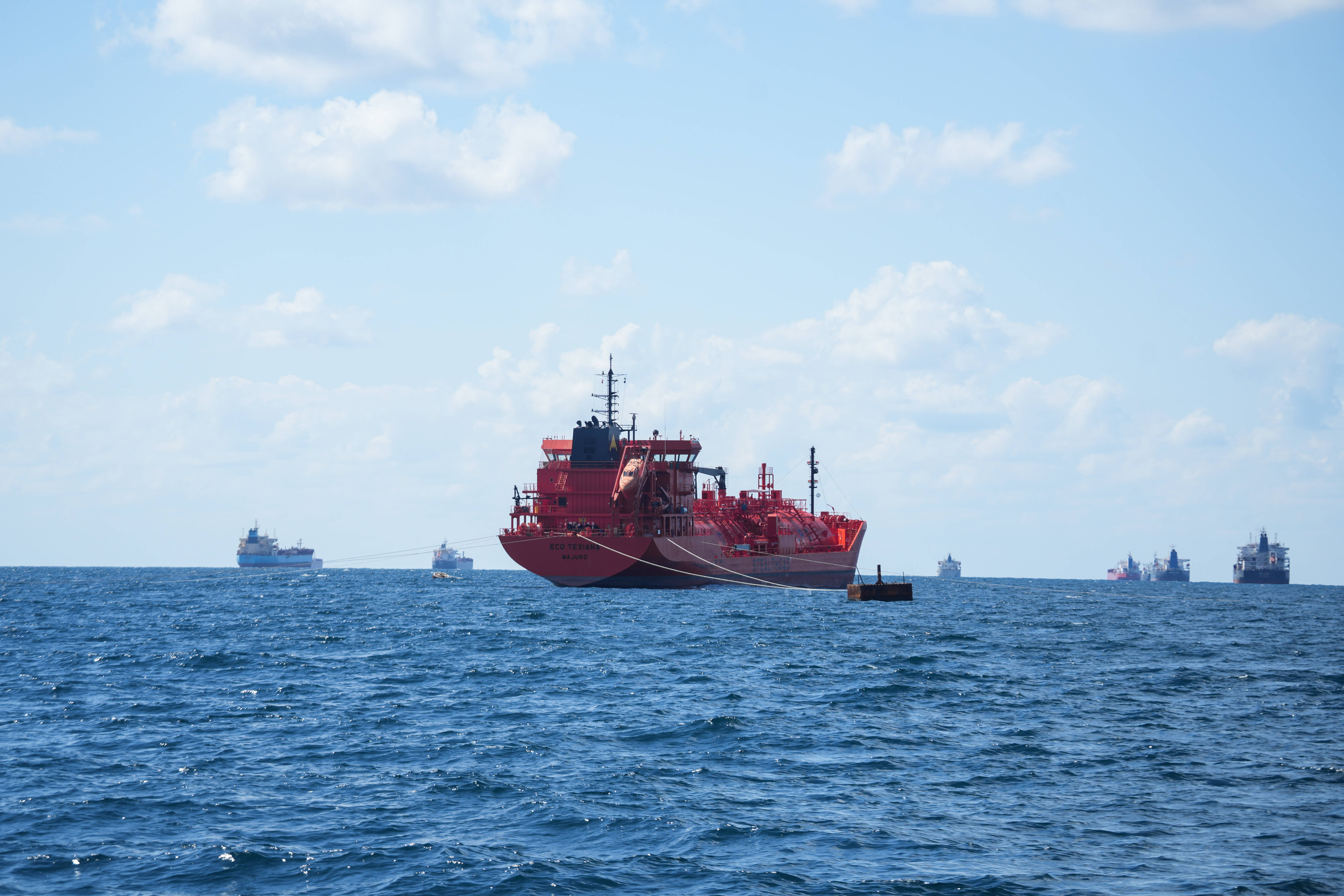
The global energy landscape is currently witnessing a tale of two realities. While recent data suggests a significant rebound in crude oil movements through the world's most critical maritime choke point, the average consumer is still seeing no sign of relief at the gas station.
In this deep dive, we analyze why the recovery of oil shipments is not yet translating into lower fuel prices, and how structural infrastructure damage is bottlenecking the global supply.
📑 Table of Contents
1. The Rebound of the Strait of Hormuz
The Strait of Hormuz has long been regarded as the heartbeat of the global energy economy. For months, tensions threatened to choke this passage, leading to fears of massive shortages. However, recent reports indicate that crude oil is moving through the waterway at a pace approaching prewar levels. This resurgence is a vital signal for international markets that feared a total collapse of supply chains.
The primary drivers for this recovery are a combination of shifting military dynamics and strategic intervention. The U.S. Navy has successfully secured specific portions of the waterway, providing a protected corridor for tankers to navigate with minimal risk. Furthermore, the depleted military capabilities of regional actors have allowed the flow of commerce to regain its momentum.
The Role of Naval Security Operations
The presence of international naval forces has acted as a deterrent against disruption, ensuring that the logistical machinery of moving crude oil reaches its intended destinations despite the underlying political friction.
2. The Gap Between Crude and Finished Fuel
It is a common misconception that more crude oil on the water immediately leads to lower prices at the retail pump. In reality, crude oil is a raw material that requires complex and expensive processing before it becomes usable fuel like gasoline, diesel, or jet fuel. Even if every tanker reaches its destination today, if the facilities designed to process that oil are offline, the end product remains scarce.
The global supply chain is currently suffering from a mismatch. While the upstream sector—extraction and transport—is recovering—the downstream sector—refining and distribution—is struggling to keep pace. This creates a bottleneck where raw materials are abundant, but the finished goods remain in high demand with limited supply.
Understanding the Refining Bottleneck
Refineries act as the filters of the energy world; when the filters are clogged or broken, the volume of the raw material matters very little to the final consumer market.
3. The Impact of Damaged Refineries

The most persistent factor maintaining high fuel prices is the physical state of global refinery infrastructure. Over the past year, several key refining hubs have suffered damage due to technical failures, maintenance delays, or targeted disruptions. When a refinery goes down, it doesn't just stop production; it often requires months of complex repairs that cannot be easily bypassed.
Restoring a modern refinery is not a quick process. It requires specialized engineering, expensive spare parts, and rigorous safety testing. Until these facilities are back to full capacity, the market is forced to rely on less efficient or older plants, which naturally drives up the cost of every gallon produced.
The Cost of Infrastructure Repair
The capital expenditure required to fix damaged energy assets is often passed down to the consumer, ensuring that prices remain elevated even after the initial crisis has supposedly passed.
4. Geopolitical Stability and Energy Security
While the shipments are moving, the geopolitical climate remains volatile. Markets are highly sensitive to 'what if' scenarios, and as long as the Strait of Hormuz remains a point of potential conflict, risk premiums will continue to be embedded in oil prices. This premium is essentially a tax that consumers pay for the insurance against the possibility of a new disruption.
Energy security is no longer just about having enough oil; it is about the reliability of the entire path from extraction to the engine. Nations are now diversifying their supply routes to mitigate the risk associated with choke points, but this transition takes time and capital, contributing to the inflationary pressures seen in the short term.
Risk Premiums in Global Markets
As long as geopolitical tension persists, the price of oil will reflect the fear of scarcity rather than just the current supply available.
5. Future Outlook for Global Energy Prices
Looking ahead, the recovery of fuel prices depends on a multi-faceted process. The return of oil shipments is only the first step. For consumers to see significant relief, we must see a simultaneous return of refinery capacity and a geopolitical cooling. We are likely entering a period of high volatility as the market adjusts to these imbalances in the supply chain.
Furthermore, the global transition toward alternative energy sources is changing the long-term investment landscape. As traditional refineries age and suffer damage, there is less incentive to rebuild them at scale, which could lead to a structural deficit in fossil fuel-producing capacity in the years to come.
The Path to Price Stability
True stability in fuel prices will depend on the speed of refinery repairs and the stabilization of international trade routes in the Middle East.
🔥 Subscribe to Azeem-USA for more expert analysis on global energy trends and market shifts.
Conclusion
In conclusion, while the resurgence of oil shipments through the Strait of Hormuz is a positive development for global logistics, it is not a panacea for high fuel prices. The reality of damaged refineries creates a persistent bottleneck that keeps the supply of finished fuel low. Until infrastructure is fully restored and geopolitical risks subside, the average consumer should expect to continue facing high costs at the pump.
❓ FAQ
Why aren't fuel prices dropping if oil shipments are back up?
Because many refineries are damaged and cannot process the increased crude oil into fuel quickly enough.
What is the role of the Strait of Hormuz?
It is a critical maritime choke point through which a massive portion of the world's oil passes.
How does refinery damage affect gas prices?
Damage reduces the total supply of finished gasoline and diesel, which drives up market prices.
Is the U.S. Navy involved in oil shipments?
Yes, naval operations have secured corridors to ensure tankers can pass through safely.
When will fuel prices potentially drop?
It depends on the speed of refinery repairs and a reduction in geopolitical tensions.
Comments
Post a Comment