
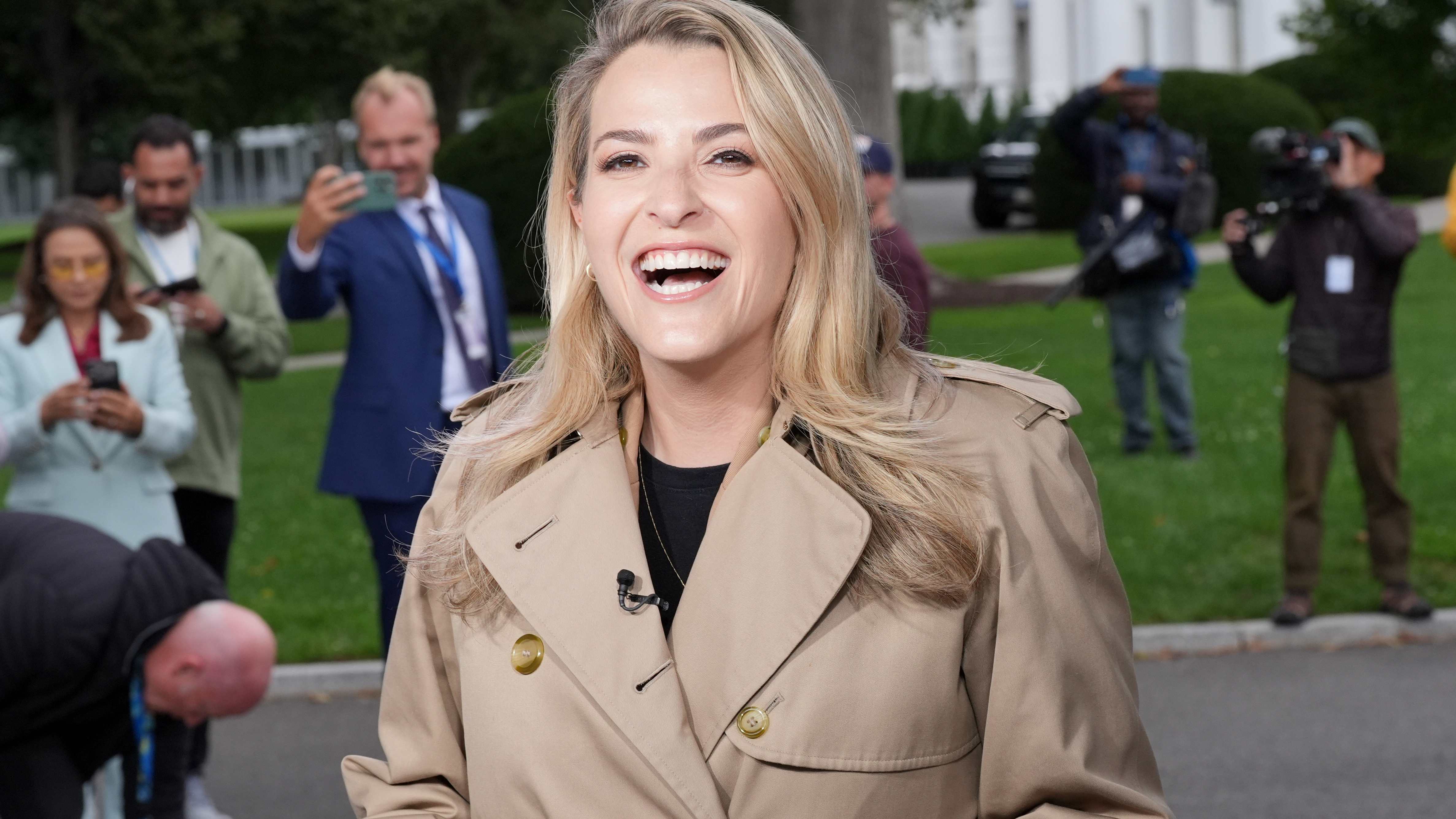
In a significant development for journalistic access, the White House has been compelled to restore press credentials to several prominent media outlets. This action follows a federal judge's order that challenged a ban previously imposed by the Trump administration. The situation underscores the ongoing tension between the executive branch and the press, and the crucial role of the judiciary in upholding fundamental rights.
This blog post will delve into the details of this evolving story, examining the initial ban, the legal battle that ensued, the implications of the judge's order, and what this means for the future of press access and accountability in the nation's capital.
📑 Table of Contents
1. The Initial Ban: A Contentious Move
The controversy began when reporters from CNN, MS NOW, and Politico found their access to the White House temporarily revoked. These bans, implemented under the previous Trump administration, were seen by many as a direct attempt to limit reporting and control the narrative emanating from the executive branch. Such actions raised immediate concerns about the freedom of the press, a cornerstone of democratic societies, and the public's right to be informed by independent news organizations.
Critics argued that barring specific news outlets from covering presidential activities and accessing the White House press briefings constituted an unprecedented level of executive overreach. The ability of journalists to ask direct questions, observe events firsthand, and report without undue interference is vital for holding power accountable. The Trump administration's approach, characterized by frequent criticism of critical media and the selective denial of access, had already created a climate of unease among many in the journalistic community.
Defining the Scope of the Ban
The specific outlets targeted were notable for their frequent critical coverage of the administration, leading to accusations that the bans were politically motivated rather than based on legitimate journalistic misconduct. This selective targeting fueled debates about the criteria used for granting and revoking press credentials.
2. The Judicial Intervention: A Test of Due Process
The situation escalated when the affected news organizations filed a lawsuit, challenging the revocation of their press passes. The legal battle culminated in a direct order from U.S. District Judge Timothy Kelly, a Trump appointee, who mandated the White House to “immediately return, reinstate, and restore” access for a period of 14 days. The judge's decision was based on the likelihood that the lawsuit would succeed in demonstrating that the press passes were revoked without due process.
This judicial intervention highlighted a critical legal principle: the right to due process. The judge's ruling suggested that the administration had not followed established procedures or provided adequate justification for barring journalists from a public space where they were performing their professional duties. The court's involvement underscored that even the executive branch is subject to legal constraints when it comes to restricting fundamental freedoms.
The Judge's Reasoning
Judge Kelly's order emphasized that the government must have a valid reason and a fair process for revoking credentials. The temporary nature of the order also indicated a need for further review and a structured approach to resolving the dispute, rather than an outright dismissal of the case.
3. Restoration and Lingering Questions
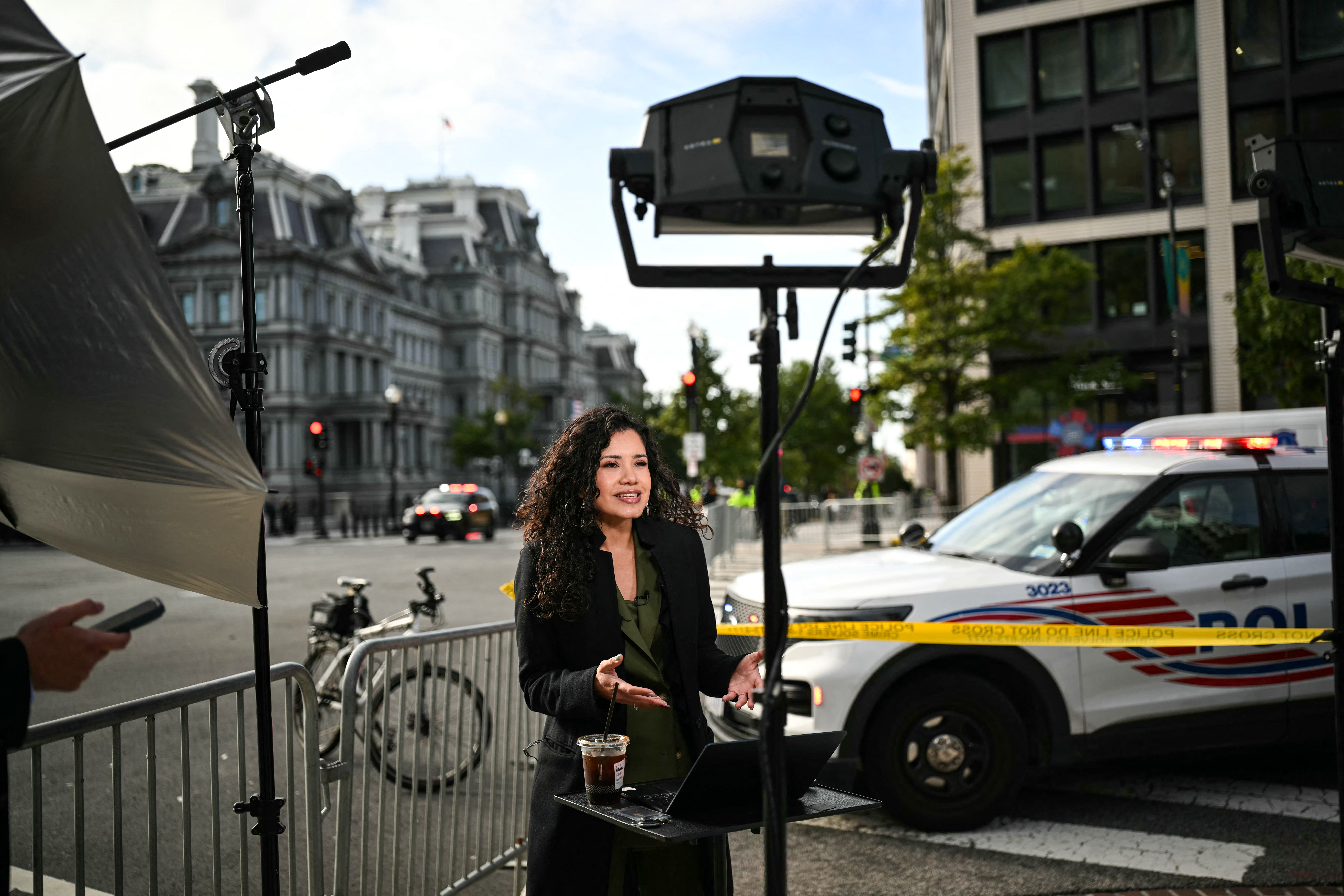
Following the judge's order, there was an expectation that access would be immediately granted. However, reports indicated that even after the ruling, some reporters still faced delays or initial denial of entry, suggesting a potential disconnect between the judicial command and its on-the-ground implementation. This initial resistance, even if temporary, raised further questions about the White House's adherence to legal directives and its willingness to comply fully.
The eventual restoration of access, though mandated by the court, did not erase the underlying issues. It brought to the forefront the challenges journalists face when attempting to cover the presidency, especially when their reporting is perceived as unfavorable by the administration. The incident served as a stark reminder of the delicate balance between executive authority and the public's right to a free and unfettered press.
The 14-Day Mandate
The specific 14-day period ordered by the judge suggested a temporary measure to allow for further legal proceedings and a more thorough examination of the administration's actions, while ensuring continued access for the interim.
4. Broader Implications for the Press Corps
This event has significant implications for the entire press corps covering the White House. It highlights the vulnerability of press credentials, which can be used as a tool to either facilitate or restrict reporting. The legal precedent set by this case could influence how future administrations interact with the media, potentially strengthening protections for journalists against arbitrary bans.
Furthermore, the case underscores the importance of independent journalism in a democracy. When news organizations are denied access or face intimidation, it can stifle public discourse and make it harder for citizens to receive accurate information about their government. The ability of journalists to operate freely and report without fear of reprisal is essential for a healthy democratic ecosystem.
The Role of the Judiciary
The judiciary's role in stepping in to defend the rights of the press is a crucial element. This intervention demonstrates that legal avenues are available to challenge perceived overreach by the executive branch, reinforcing the system of checks and balances.
5. The Future of White House-Journalist Relations
Moving forward, the relationship between the White House and the media will likely continue to be a subject of scrutiny. While this particular incident saw a judicial victory for press access, the underlying tensions may persist. Administrations will always seek to manage their public image, and journalists will continue to hold them accountable. The challenge lies in finding a way to navigate these competing interests respectfully and within the bounds of constitutional freedoms.
The case serves as a critical lesson in the ongoing dialogue between power and the press. It emphasizes that access is not a privilege to be granted or revoked arbitrarily, but a necessary component of a transparent government. As Azeem USA looks to the future, we anticipate continued developments in how administrations engage with the press, and we will remain committed to reporting on issues that impact the free flow of information.
Maintaining Transparency
Ultimately, the goal should be to foster an environment where journalists can perform their duties effectively, ensuring that the public remains well-informed about the actions and decisions of their government.
6. Conclusion
The restoration of White House press access following a federal judge's order marks a significant moment in the ongoing dynamic between the executive branch and the media. It reaffirms the principle that press credentials should not be used as a tool for censorship and that journalists are entitled to due process when facing potential revocation of access.
This legal intervention serves as a powerful reminder of the judiciary's role in protecting fundamental freedoms. As we move forward, the principles upheld in this case will undoubtedly shape future interactions, reinforcing the indispensable role of a free and independent press in a democratic society. Azeem USA remains dedicated to observing and reporting on these crucial developments.
🔥 Stay informed on the latest news and analysis from Azeem USA.
Conclusion
The White House's compliance with a federal judge's order to restore press access for CNN, MS NOW, and Politico is a pivotal event. It underscores the critical importance of due process and the fundamental right to a free press in a democratic society.
This development highlights the ongoing need for vigilance in protecting journalistic freedoms and ensuring that access to information is not unduly restricted. Azeem USA will continue to monitor these evolving dynamics, committed to transparency and the public's right to know.
❓ FAQ
Which media outlets had their White House access restored?
CNN, MS NOW, and Politico had their access restored.
Why were their press passes initially revoked?
The specific reasons for the initial revocation under the Trump administration were not fully detailed publicly but were widely seen as a response to critical reporting.
What was the basis for the judge's order?
U.S. District Judge Timothy Kelly ordered the restoration of access, stating the lawsuit was likely to succeed in showing the ban was imposed without due process.
What is due process in this context?
Due process means that individuals (in this case, journalists) have a right to fair treatment and a proper legal procedure before their rights or privileges (like press access) are taken away.
What are the broader implications of this ruling?
The ruling reinforces the importance of press freedom and suggests that administrations cannot arbitrarily revoke press credentials without following proper legal procedures, potentially setting a precedent for future cases.
Comments
Post a Comment