
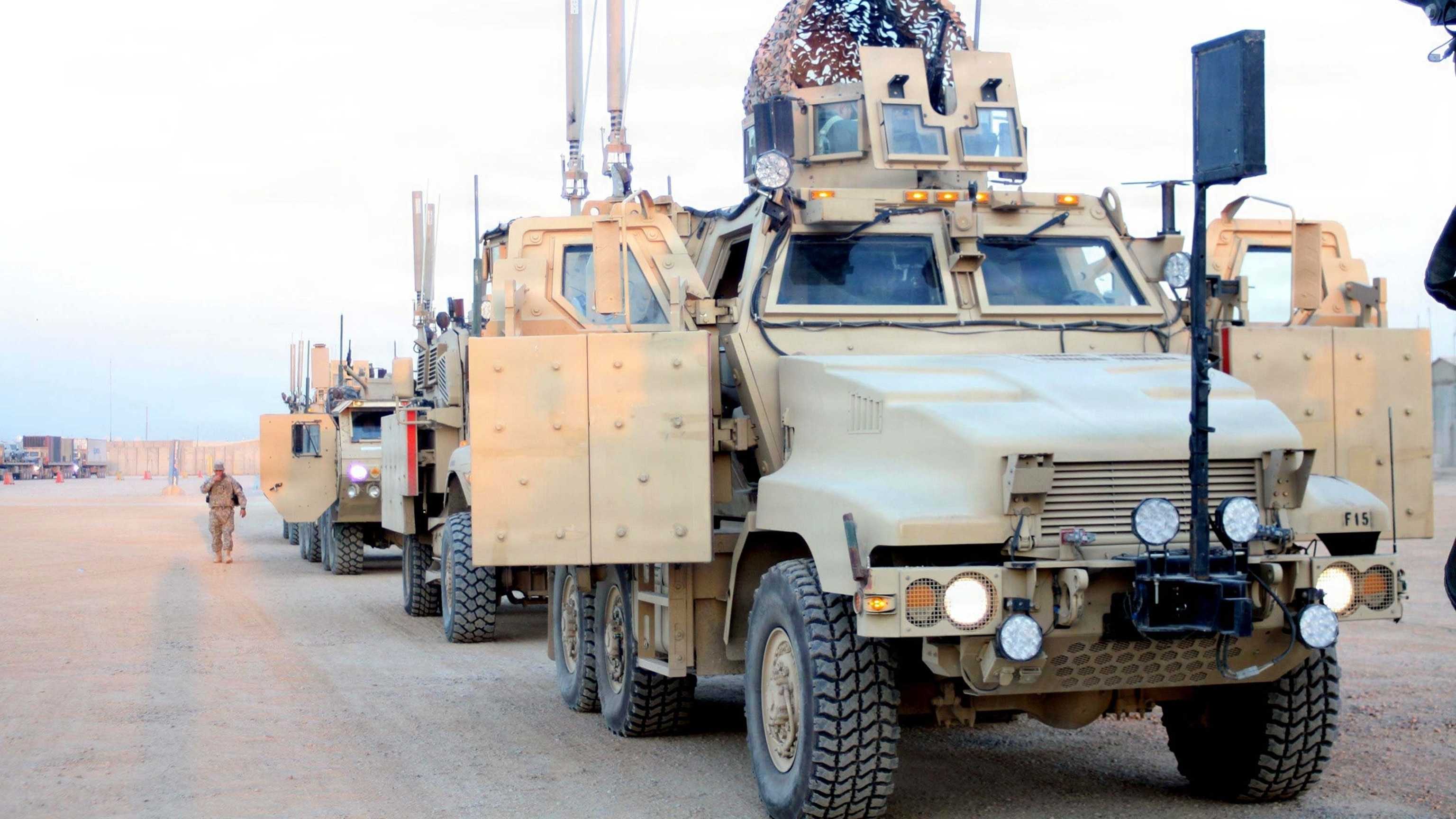
The final chapter of a significant, albeit complex, chapter in modern military history is set to close as the United States completes the withdrawal of its remaining troops from Iraq. This marks the end of a 12-year presence, a period defined by the fight against the Islamic State and the subsequent efforts to stabilize a nation grappling with immense challenges.
For readers of Azeem USA, understanding the nuances of this withdrawal is crucial for grasping the evolving geopolitical landscape of the Middle East. This post delves into the reasons behind the departure, the historical context that shaped it, and the potential implications for Iraq and the wider region.
📑 Table of Contents
1. The Unfolding Withdrawal: A Historical Echo
The announcement signifies the second time in a little over a decade that U.S. military forces have concluded their operational presence in Iraq. The initial invasion in 2003, aimed at disarming Saddam Hussein's regime and establishing a new democratic order, culminated in a full withdrawal in 2011 after an eight-year campaign. This departure, however, proved to be a temporary respite rather than a definitive end to foreign military involvement.
The landscape shifted dramatically, necessitating a return. This latest withdrawal, occurring after a 12-year presence, is not merely a procedural end but a symbolic one, drawing a line under a prolonged period of American military engagement in Iraq. It reflects a strategic recalibration and a recognition of the changing dynamics on the ground.
The 2011 Withdrawal and its Aftermath
The initial withdrawal in 2011 was hailed by some as a victory for Iraqi sovereignty, allowing the nation to chart its own course. However, the ensuing power vacuum and internal instability created fertile ground for extremist ideologies to flourish, setting the stage for a new, devastating conflict.
2. The Genesis of the Second Deployment: The ISIS Threat
The return of U.S. troops in 2014 was a direct response to the rapid ascent of the Islamic State of Iraq and Syria (ISIS). This brutal militant group, having conquered vast territories across Syria and northern Iraq, posed an existential threat to regional stability and international security. The U.S. military, alongside a coalition of international partners, re-engaged to counter this growing menace.
Operation Inherent Resolve became the banner under which U.S. forces operated, providing air support, training, and advisory assistance to Iraqi security forces. The military defeat of ISIS in 2019 was a significant achievement, reclaiming territory and dismantling much of the group's physical caliphate. Yet, the lingering threat and the need for continued support meant that the U.S. military presence persisted well beyond the initial counter-ISIS operations.
The Strategic Rationale for Re-engagement
The decision to re-enter Iraq was driven by a clear and present danger. ISIS's territorial ambitions and its brutal ideology threatened not only Iraq but also neighboring countries and the broader international community. The U.S. commitment was framed as essential for preventing a resurgence of the group and for supporting Iraq's fragile state institutions.
3. Mission Accomplished? Assessing the Impact of US Presence

The 12-year U.S. military presence in Iraq, particularly the second phase focused on combating ISIS, had a profound impact on the nation's trajectory. While the military campaign successfully degraded ISIS capabilities and prevented its territorial consolidation, the long-term consequences are multifaceted. The presence raised complex questions about sovereignty, local ownership of security, and the potential for unintended political ramifications.
On one hand, U.S. involvement provided crucial military support that enabled Iraqi forces to reclaim significant territory. This assistance was vital in preventing the complete collapse of state authority in many areas. On the other hand, the continued reliance on foreign military presence often complicated domestic political dynamics and fueled nationalist sentiments among some segments of the Iraqi population.
The Dual Nature of Military Assistance
The U.S. military's role evolved from direct combat operations to training and advising. This shift aimed to empower Iraqi forces to take full responsibility for their nation's security. However, the effectiveness and sustainability of this approach have been subjects of ongoing debate, highlighting the delicate balance between external support and internal capacity building.
4. The Shifting Sands: Iraq's Path Forward
As U.S. troops depart, Iraq stands at a critical juncture, tasked with consolidating its sovereignty and ensuring long-term stability without direct military support. The nation faces the formidable challenge of rebuilding its infrastructure, fostering economic recovery, and addressing the deep-seated political divisions that have plagued it for decades.
The withdrawal places a greater onus on Iraqi political leaders and security forces to manage internal security threats, including remnants of ISIS and other militant groups, as well as to navigate the complex regional power dynamics. The success of Iraq's future will largely depend on its ability to forge national unity and implement effective governance structures that serve all its citizens.
Challenges and Opportunities for Iraqi Governance
Key challenges include combating corruption, ensuring equitable resource distribution, and strengthening democratic institutions. The international community, while withdrawing military forces, is expected to continue its support through diplomatic, economic, and humanitarian channels, aiming to bolster Iraq's capacity to stand on its own.
5. Lessons Learned and Future Implications
The U.S. experience in Iraq offers a wealth of lessons for future foreign policy and military interventions. The complexities of nation-building, the unintended consequences of military action, and the importance of respecting local sovereignty are recurrent themes that emerge from this prolonged engagement. Understanding these lessons is vital for shaping more effective and sustainable international strategies moving forward.
The complete withdrawal of U.S. troops from Iraq signals a broader shift in American foreign policy priorities and a recognition of evolving global threats. It underscores the need for adaptable strategies that prioritize diplomacy, economic cooperation, and regional partnerships in addressing complex security challenges. The future of the Middle East will undoubtedly be shaped by how Iraq navigates its post-withdrawal era and the evolving relationships between regional and global powers.
The Evolving Role of International Engagement
The nature of international engagement in post-conflict zones is continually being redefined. While direct military intervention may be winding down in Iraq, the commitment to supporting its stability and prosperity through other means remains a critical component of broader regional security efforts.
🔥 Stay informed about critical geopolitical shifts impacting the Middle East and beyond at Azeem USA.
Conclusion
The departure of the final U.S. troops from Iraq marks the definitive end of a significant military commitment that spanned over a decade and two distinct phases. It is a moment that closes one chapter while simultaneously opening another, placing the responsibility for Iraq's future squarely in the hands of its own people and leadership.
As Iraq navigates this new era, the world will be watching closely. The lessons learned from this prolonged engagement will undoubtedly inform future international relations and security strategies, emphasizing the enduring quest for stability and sovereignty in a complex global landscape.
❓ FAQ
When did the U.S. first invade Iraq?
The U.S. invasion of Iraq began in March 2003.
Why did U.S. troops return to Iraq in 2014?
U.S. troops returned in 2014 to combat the rapid territorial gains of the Islamic State (ISIS) militant group.
When were U.S. troops initially withdrawn from Iraq?
The U.S. completed its initial withdrawal of troops in December 2011.
What was the primary mission of U.S. troops during the second deployment?
The primary mission was to defeat ISIS militarily, which was largely achieved by 2019, followed by continued counter-terrorism and advisory roles.
What are the main challenges facing Iraq after the U.S. withdrawal?
Iraq faces challenges in rebuilding its economy, consolidating political stability, addressing internal security threats, and managing regional relations.
Comments
Post a Comment