
In a move that has sent ripples through the nation's cultural and political spheres, former President Donald Trump has issued a stark warning regarding the John F. Kennedy Center for the Performing Arts. His declaration that the iconic institution could face closure or even demolition unless his administration receives due recognition is an extraordinary development, raising serious questions about the intersection of politics and the arts.
This blog post by Azeem USA will delve into the specifics of Trump's statements, explore the potential motivations behind them, and analyze the significant implications for the Kennedy Center and the broader landscape of American arts and culture. We will examine the validity of his claims and consider the precedent such a statement sets for future political discourse surrounding national cultural landmarks.
📑 Table of Contents
1. The Unprecedented Statement: Trump's Words on the Kennedy Center
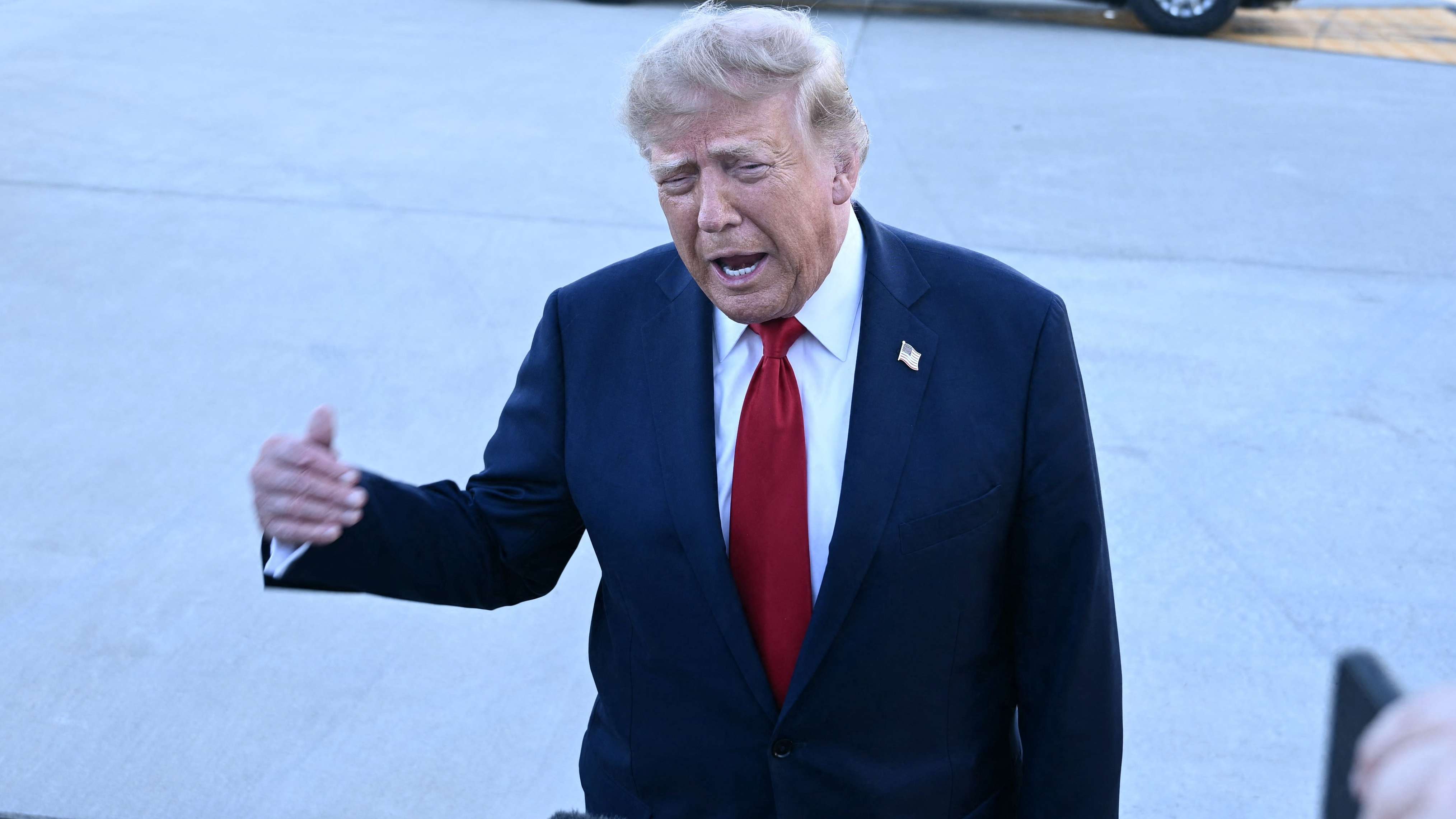
During a recent press briefing, former President Donald Trump stated that the Kennedy Center might be forced to "close" or be "ripped down" if his administration does not receive proper recognition. These remarks, made during a tarmac interview in North Carolina, were a direct response to mounting tensions surrounding the removal of his name from certain acknowledgments associated with the center. Trump asserted that without this recognition, the future of the performing arts venue is in jeopardy.
He elaborated on his stance by claiming that the Kennedy Center was in a state of disarray prior to his administration's involvement, suggesting that his influence was instrumental in its upkeep and success. The implication is that a lack of acknowledgement for his perceived contributions could lead to the withdrawal of support, or a negative cascade effect that could result in the center's demise. This is a highly unusual and aggressive approach to engaging with a national cultural institution.
The Specificity of the Threat
The language used – "close" and "ripped down" – is exceptionally strong and suggests a level of personal stake or perceived slight that goes beyond typical political rhetoric concerning national landmarks.
2. Examining the 'Recognition' Demand: What Does It Mean?
The core of Trump's demand revolves around receiving "recognition" for his administration's actions concerning the Kennedy Center. However, the precise nature of this recognition remains conspicuously vague. Does it refer to naming rights, specific plaques, official acknowledgements in programming, or a broader sense of historical credit? The ambiguity leaves room for interpretation, but the underlying message is clear: a perceived lack of acknowledgment is unacceptable to the former president.
Historically, presidential administrations and their figures often receive indirect recognition through the continued patronage and support of national institutions they champion. Direct demands for acknowledgment, especially framed as threats, are far less common. This demand appears to stem from a belief that the Trump administration's efforts – whether financial, legislative, or through public support – were significant enough to warrant explicit and ongoing commemoration at the Kennedy Center.
Understanding the Motivation
It's crucial to consider the potential motivations behind this demand. Is it a genuine belief that his administration's contributions are being unfairly overlooked, or is it a strategic political move designed to galvanize his base and create controversy? The timing, often a key element in political messaging, suggests a deliberate effort to reassert influence and remain relevant in public discourse.
3. The Kennedy Center: A National Treasure Under Threat?

The John F. Kennedy Center for the Performing Arts stands as a living memorial to President John F. Kennedy, dedicated to the arts and to making them accessible to all Americans. It is a non-profit institution that receives federal funding for its operations but also relies heavily on private donations and earned revenue. The idea that it could be "ripped down" due to political demands is antithetical to its mission and its status as a national symbol.
The center's operations are complex, involving a vast array of performances, educational programs, and community outreach. Any disruption, let alone closure, would have a profound impact not only on the arts community in Washington D.C. and across the nation but also on the thousands of artists, educators, and patrons who engage with its work annually. The threat itself, regardless of its likelihood of execution, can create an atmosphere of uncertainty and fear within the institution and among its stakeholders.
The Role of Federal Funding
While the Kennedy Center receives federal support, it is not solely dependent on it. The specific nature of this funding and any potential leverage it provides in this context is a complex issue. Trump's statement suggests an implicit threat to this funding or a broader campaign to undermine the center's viability, which would require significant political maneuvering and likely bipartisan opposition.
4. Historical Context and Political Maneuvering
Throughout history, presidents and their administrations have engaged with and supported cultural institutions in various ways. This support often manifests as advocacy, increased funding initiatives, or public endorsements. However, the tradition has generally been one of fostering and celebrating the arts, rather than issuing ultimatums tied to personal recognition. The notion of a president threatening the physical existence or operational capacity of a cultural landmark based on demands for acknowledgment is unprecedented in modern American political history.
This situation can be viewed as a form of political theater, a tactic often employed to capture media attention and mobilize a specific segment of the electorate. By invoking strong language and targeting a widely respected institution, Trump aims to generate headlines and reinforce his image as an outsider fighting against established norms. The Kennedy Center, by its very nature as a symbol of national unity and artistic excellence, becomes a potent target for such a strategy.
Precedents and Analogies
While direct threats of this magnitude are rare, political figures have historically sought to associate themselves with or distance themselves from national symbols and institutions based on their political agendas. This instance, however, elevates the conflict to a new level of direct confrontation and personal demand.
5. The Broader Implications for Arts and Culture
The implications of Trump's statements extend far beyond the immediate controversy surrounding the Kennedy Center. They raise critical questions about the relationship between political power and artistic expression. If cultural institutions become battlegrounds for political recognition or retribution, it could stifle creativity and compromise the independence of the arts.
Such rhetoric risks politicizing national treasures and undermining the non-partisan role that arts organizations strive to play in society. It could set a dangerous precedent, suggesting that political favor, rather than artistic merit or national significance, determines the fate of cultural institutions. This could have a chilling effect on funding, patronage, and the willingness of artists to engage with public platforms, ultimately impoverishing the cultural landscape.
The Future of Cultural Diplomacy
The Kennedy Center serves not only as a venue for domestic arts but also as a symbol of American culture on the international stage. Threats of its destruction, even if rhetorical, can damage perceptions of the United States' commitment to its cultural heritage and its appreciation for the arts. It is vital that such institutions remain protected from the ebb and flow of political disputes.
🔥 Stay informed on critical cultural and political developments with Azeem USA.
Conclusion
Donald Trump's assertion that the Kennedy Center could face closure or demolition without his administration receiving recognition is a remarkable and concerning development. It highlights a trend of political discourse that blurs the lines between governance, personal grievance, and the stewardship of national cultural assets. The strength of his language underscores a perceived need for acknowledgment that, if pursued aggressively, could destabilize a vital institution.
As we move forward, it is imperative that institutions like the Kennedy Center are shielded from such political pressures. Their value lies in their ability to transcend partisan politics and serve as beacons of artistic achievement and cultural exchange for all Americans. The ongoing dialogue surrounding this incident serves as a crucial reminder of the need to protect and uphold the integrity of our nation's cherished cultural landmarks, ensuring they remain vibrant and accessible for generations to come.
❓ FAQ
What did Donald Trump say about the Kennedy Center?
Donald Trump stated that the Kennedy Center could "close" or be "ripped down" if his administration does not receive recognition.
What kind of recognition is Trump demanding?
The specific nature of the recognition is not clearly defined by Trump, but it appears related to acknowledging his administration's contributions.
Is the Kennedy Center solely funded by the government?
No, the Kennedy Center is a non-profit institution that receives federal funding for operations but also relies heavily on private donations and earned revenue.
Has a president ever threatened a cultural institution like this before?
Such a direct threat to the physical existence or operational capacity of a national cultural landmark based on demands for recognition is unprecedented in modern American political history.
What are the potential implications of these statements?
The statements raise concerns about the politicization of arts and culture, potentially setting a precedent that could endanger the independence and stability of cultural institutions.
Comments
Post a Comment