Trump Broadcaster Boycott: The First Test for Media Freedom 📸 Image Credit: yahoo.com By Azeem-USA · Tue Sep 22 2026 English (en-US) The landscape of American political journalism has entered a period of unprecedented volatility. When President Trump announced the decision to ban specific reporters from CNN, MS NOW, and Politico from the White House, it sent shockwaves through the media industry. This was not merely a disagreement over credentials; it was a fundamental challenge to the relationship between the executive branch and the press estate. In this in-depth analysis, we explore the implications of the broadcaster boycott, the mechanics of the television pool, and what the recent ribbon-cutting ceremony signifies for the future of democracy. 📑 Table of Contents The Genesis of the White House Pool Conflict The Power of the Television Pool System Trump TV: The Administration's Alternative Legal Implications and the Federal Lawsuit The F...


The landscape of American political journalism has entered a period of unprecedented volatility. When President Trump announced the decision to ban specific reporters from CNN, MS NOW, and Politico from the White House, it sent shockwaves through the media industry. This was not merely a disagreement over credentials; it was a fundamental challenge to the relationship between the executive branch and the press estate.
In this in-depth analysis, we explore the implications of the broadcaster boycott, the mechanics of the television pool, and what the recent ribbon-cutting ceremony signifies for the future of democracy.
📑 Table of Contents
1. The Genesis of the White House Pool Conflict
The tension reached a breaking point when the administration moved to exclude key media outlets from White House briefings. By banning CNN, MS NOW, and Politico, the administration signaled a shift toward a more controlled narrative environment. This move was met with immediate and fierce resistance from the broader media community, which viewed the action as an infringement on press freedom.
In response, major networks including ABC, CBS, NBC, and Fox News took the unprecedented step of refusing to participate in the White House pool. This collective protest was designed to demonstrate that the presidency cannot function effectively without the oversight and participation of a diverse press corps.
The Escalation of Tensions
The conflict began with administrative disputes but quickly evolved into a systemic crisis, forcing news organizations to choose between compliance and standing by their principles of journalistic independence.
2. The Power of the Television Pool System
To understand the gravity of the boycott, one must understand the pool system. Traditionally, a rotating group of reporters, photographers, and videographers is granted access to restricted events, sharing their footage and information with other outlets. This ensures that even outlets with limited physical space can provide comprehensive visual coverage of the President's actions.
When CNN was scheduled to serve as the television pool for recent events, the refusal of other major networks to participate created a vacuum. Without a functioning pool, the public loses access to multi-perspective reporting, leaving the administration with total control over the visual narrative presented.
Why the Pool System Matters
The pool system relies on mutual trust and established professional standards; when that trust is broken, the mechanism for delivering real-time news to the American public begins to fail.
3. Trump TV: The Administration's Alternative
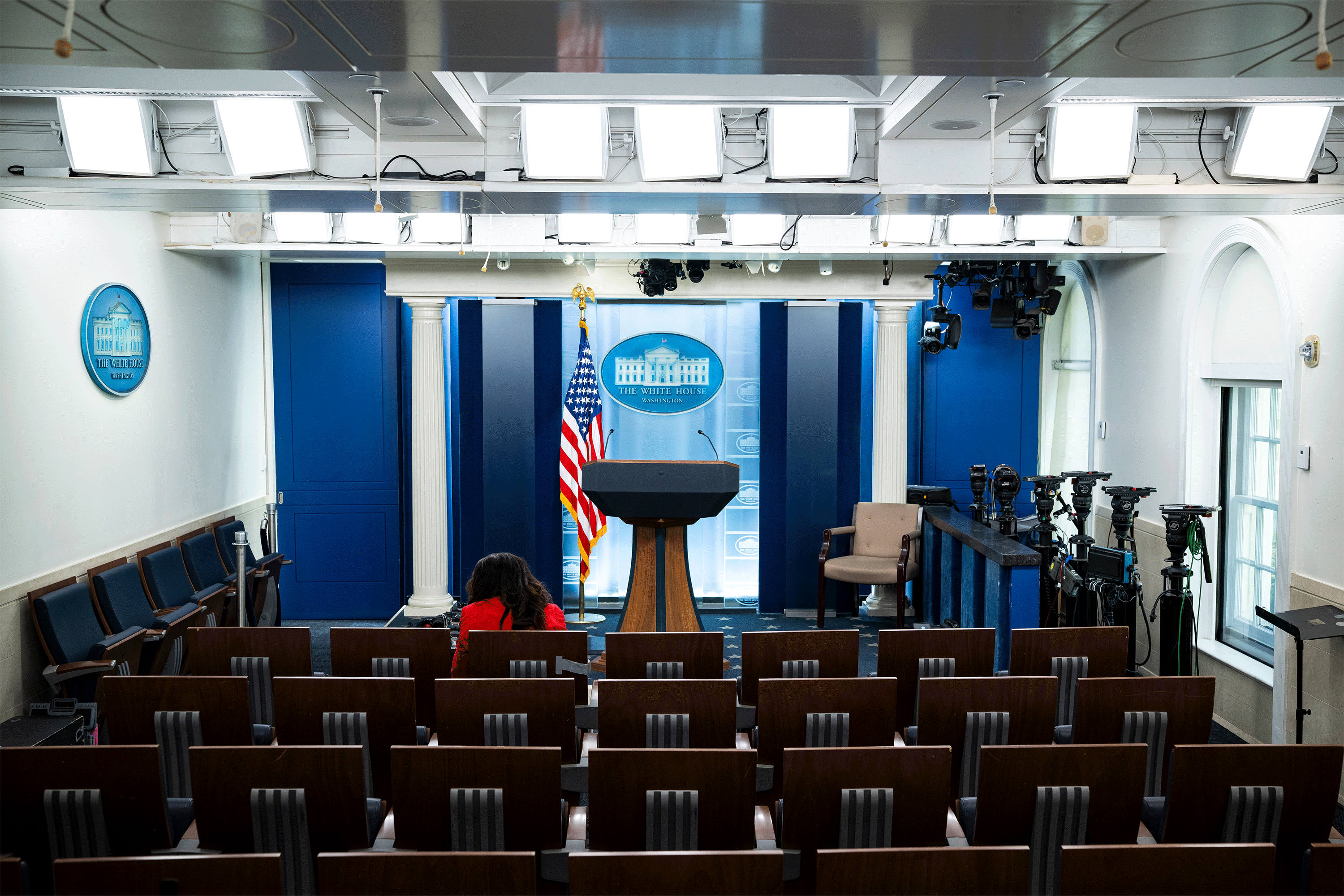
As a response to the media blackout, the administration launched its own live YouTube stream branded 'TRUMP TV.' This move represents an attempt to communicate directly with the electorate, bypassing the critical filters often applied by traditional newsrooms. The administration framed this as a way to provide 'raw and unfiltered' information to the people they serve.
However, critics argue that a government-run stream lacks the accountability and fact-checking inherent in independent journalism. The existence of TRUMP TV highlights the growing divide in how information is produced and consumed in the modern digital political landscape.
The Direct-to-Consumer Strategy
By utilizing digital platforms like YouTube, the executive branch seeks to diminish the gatekeeping role of broadcasters, fundamentally altering the power dynamics between leaders and the media.
4. Legal Implications and the Federal Lawsuit
The fallout has moved beyond protests and into the courtroom. The affected news organizations have filed a federal lawsuit, alleging that the ban violates First Amendment rights and long-standing precedents. This legal battle will center on whether the White House has the authority to exclude reporters based on the content of their coverage.
The outcome of this lawsuit could set a precedent that defines presidential communications for decades. If the courts rule in favor of the media outlets, it would limit the ability of future administrations to restrict access to government-funded events.
The First Amendment Challenge
The legal system must now balance the government's right to manage its premises against the constitutional right of the press to report on government affairs without arbitrary interference.
5. The Future of Presidential Reporting in the US
The recent ribbon-cutting ceremony served as the first major test of this boycott. With the major networks refusing to participate, the administration was forced to rely on its own media channels. This shift creates a fragmented media environment where different segments of the population see different versions of the same event based on the platform they consume.
Moving forward, the relationship between the White House and the press appears permanently altered. We may be witnessing the birth of a new era where traditional pool systems are replaced by digital-first communication strategies, potentially eroding the depth of investigative oversight available to the democratic process.
A New Era of Journalism
The current crisis suggests that the old rules of guaranteed access to the presidency may be over, forcing journalists to find new ways to maintain their relevance.
🔥 Subscribe to Azeem-USA for more deep dives into global politics and media trends.
Conclusion
The US broadcaster boycott marks a landmark moment in the history of the American press. As the legal battles unfold and the administration continues to push digital-first communication, the core tenets of presidential transparency are under intense scrutiny. The first test at the ribbon-cutting ceremony is only the beginning of a much longer struggle for media independence.
❓ FAQ
Why did major TV networks boycott the White House?
They are protesting the administration's decision to ban reporters from CNN, MS NOW, and Politico.
What is the White House pool system?
It is a rotating group of reporters who share footage and information with other outlets that cannot attend in person.
What is TRUMP TV?
It is a live YouTube stream launched by the administration to communicate directly with viewers without traditional media.
Is there a lawsuit involved?
Yes, news organizations have filed a federal lawsuit claiming the ban violates First Amendment rights.
How does this affect the public?
It may lead to a fragmented news environment where different people see different versions of the same government events.
Comments
Post a Comment