Breaking: Zelensky Claims Betrayal by Trump Over Russia Sanctions Shift 🚨 Breaking News Analysis 📸 Image Credit: uk.news.yahoo.com By Azeem-USA · Wed Oct 14 2026 English (en-US) Volodymyr Zelensky has publicly declared a sense of betrayal toward President Donald Trump following a controversial shift in US foreign policy regarding Russian sanctions. This public clash marks the most significant rift in the trans-atlantic alliance since the conflict began, as Kyiv reacts to a move that eases economic pressure on the Russian state. This analysis examines the implications of the diesel sanctions waiver, Zelensky's sharp warning regarding US historical leadership, and what this friction means for the broader security architecture in Europe. 📑 Table of Contents The Breaking Point Between Kyiv and Washington The Sanctions Waiver: A Strategic Pivot Why This Shift Matters for European Security Geopolitical Fallout and Global Reactions The Road Ahea...

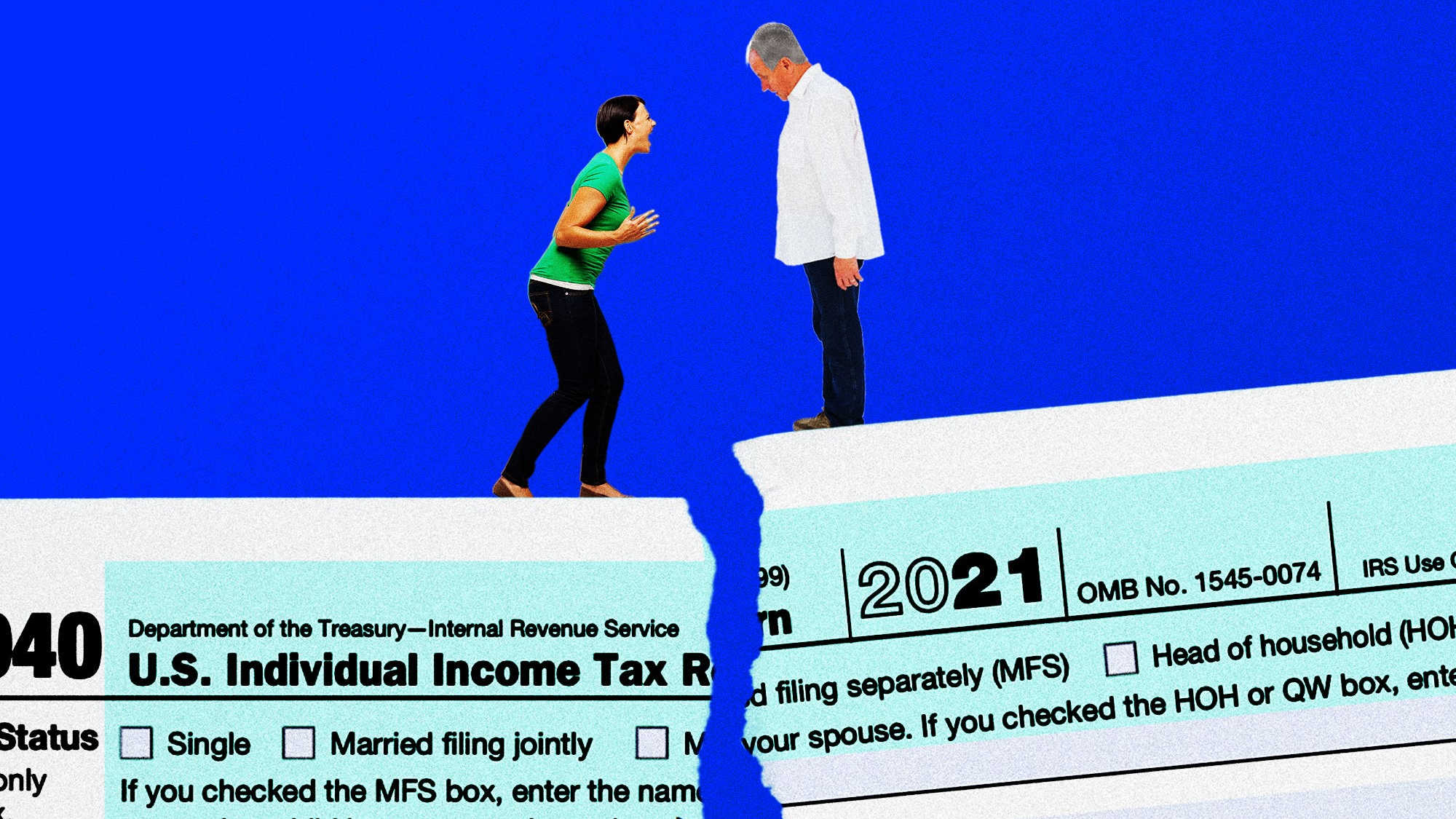
The landscape of American homeownership is undergoing a seismic shift that is creating deep friction along generational lines. While one generation enjoys the stability of locked-in equity, the other finds itself locked out by escalating costs and shifting tax policies. This is no longer just about market fluctuations; it is a fundamental conflict over who should bear the financial burden of public services.
In this deep dive, we explore the complex mechanics of the tax battle brewing between baby boomers and millennials, examining how policy decisions are reshaping the American dream for the next generation.
📑 Table of Contents
1. The Growing Divide in the Real Estate Market
For decades, homeownership was viewed as the primary vehicle for wealth building in the United States. However, the current market presents a starkly different reality for various age groups. In many states like Texas, the gap between those who already own property and those attempting to enter the market has widened into a chasm.
The tension is exacerbated by the fact that real estate values have skyrocketed while wages for younger workers have not kept pace. As property values rise, the cost of maintaining that ownership follows suit, creating a floating barrier that is increasingly difficult for millennials who are just starting to save for down payments.
The Psychology of the First-Time Buyer
Young buyers like Tyler Scriber are finding themselves scouring listings only to realize that the 'sticker price' is not just the purchase price, but the long-term tax liability that seems to favor established residents instead.
2. The Senior Advantage: Why Property Taxes are Dropping
In recent years, several states have implemented property tax relief for seniors and residents with disabilities. These policies are designed to prevent long-term homeowners from being priced out of their communities as neighborhood values climb. While the intent is compassionate, the fiscal reality is a significant shift in the local tax base.
When a large portion of the population is exempted from property taxes, the remaining burden must fall on someone else. Often, this means new homeowners—primarily millennials—are paying higher effective rates to fund local schools, infrastructure, and services.
The Mechanics of Tax Exemptions
Tax exemptions often freeze the assessed value of older homes, meaning the tax bill stays flat for decades while new buyers are taxed based on the current market value of the property.
3. The Millennial Burden: Rising Costs of Entry

Millennials are currently facing a perfect storm of high interest rates, limited inventory, and regressive tax structures. For many, the dream of owning a home is being replaced by the reality of renting indefinitely, as the cost of ownership—including property taxes that are not being slashed for them—becomes prohibitive.
This creates a cycle where the younger generation is essentially subsidizing the retirement of the older generation. If a millennial cannot afford the tax burden associated with a new home, the 'churn' of the market slows down, leading to stagnant inventory and even higher prices.
The Impact on Wealth Accumulation
By missing the window of homeownership, millennials are missing out on the appreciation that baby boomers experienced, further widening the wealth gap between the two generations.
4. Economic Implications of Generational Inequality
The macroeconomic consequences of this tax battle extend far beyond individual bank accounts. When a significant portion of the population is excluded from asset ownership, the entire economy suffers from reduced mobility and lower consumer spending, as wealth is no longer being built up in home equity.
Furthermore, the political landscape is beginning to shift. As younger voters feel that the system is rigged to favor the older demographic at their expense, we may see a shift in demands for tax reform, potentially leading to volatile changes in local and state governance.
The Strain on Local Services
Local governments rely heavily on property taxes. If the tax base shrinks due to excessive exemptions, the quality of public education and infrastructure may eventually decline.
5. Future Outlook for Housing Policy and Equity
Solving this conflict will require a radical rethink of how we view property taxation. Simply lowering taxes for everyone is often fiscally impossible for local municipalities, meaning targeted interventions that help first-time buyers without unfairly penalizing seniors are necessary, albeit difficult to implement.
We may see a move toward 'owner-occupancy credits' or tiered tax structures that account for the age and income level of the buyer. Without these shifts, the resentment between boomers and millennials will likely continue to intensify.
Finding a Path to Fair Ground
The goal must be a policy framework that protects the vulnerable elderly while ensuring that the young have a viable path to financial stability through ownership.
🔥 Subscribe to Azeem USA for more deep dives into global and local economic trends.
Conclusion
The tax battle between baby boomers and millennials is a symptom of a deeper structural issue in the American economy. While protecting seniors is a noble goal, the cost of excluding the next generation from homeownership is unsustainable.
As we move toward 2026 and beyond, policymakers will be forced to balance generational equity with fiscal reality.
❓ FAQ
Why are property taxes being cut for seniors?
Many states offer tax breaks to prevent elderly residents from being forced to sell their homes as property values rise.
How does this affect millennials?
When seniors get tax breaks, the remaining tax burden often falls on new homeowners, who are typically younger buyers.
Is the tax battle only happening in Texas?
While it is highly visible in Texas due to high property taxes, the generational inequality is felt nationwide.
What is the long-term effect of this divide?
It can lead to a widening wealth gap between generations and reduced overall economic mobility.
Can anything be done to fix this?
Potential solutions include targeted tax credits for first-time buyers or reforming how local services are funded.
Comments
Post a Comment