Kristi Noem Out as Trump Envoy for Shield of the Americas 🚨 Breaking News Analysis 📸 Image Credit: cbsnews.com By Azeem-USA · Fri Oct 16 2026 English (en-US) Kristi Noem, former Homeland Security Secretary and a prominent figure in conservative politics, is no longer serving as the Trump administration's special envoy for the Shield of the Americas initiative. A State Department official confirmed the change late Thursday, stating her envoy status expired last month. This development marks a significant shift in a key diplomatic role focused on Western Hemisphere security. This analysis breaks down the facts, explores the initiative's importance, and examines the potential implications of Noem's departure from this specific post. 📑 Table of Contents Noem's Envoy Status Ends What is the Shield of the Americas? Why the Change Now? Implications for Regional Security Looking Ahead FAQ #Azeem_USA #Breakingnews #Azeem_USA #Breakin...

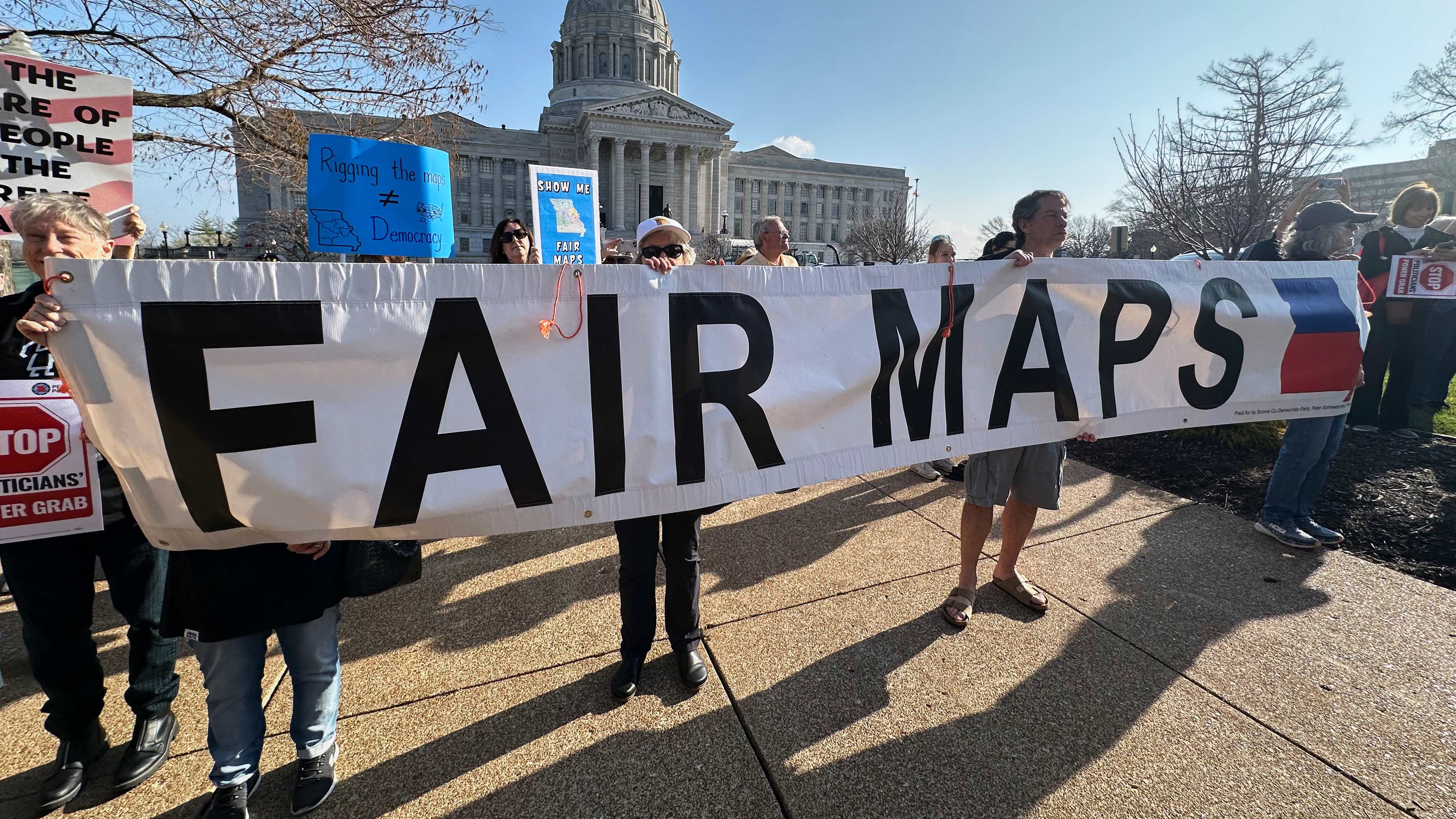
In a significant development for American electoral law, the Supreme Court has delivered a decisive blow to a controversial attempt to redraw Missouri's congressional map, a map that had been notably backed by former President Donald Trump. This ruling concludes a protracted legal battle just as absentee voting is commencing for the crucial midterm elections.
This decision by the nation's highest court carries substantial weight, impacting the fairness of representation and the strategic landscape for both major political parties. Azeem USA delves into the intricacies of this ruling, examining its legal underpinnings and its far-reaching consequences for the upcoming contests that will determine control of Congress.
📑 Table of Contents
1. The Supreme Court's Decision: A Swift Rejection
The Supreme Court's action on Friday was both swift and definitive. By declining to hear an appeal concerning the new Missouri congressional map, the justices effectively ended a contentious legal fight. This map, which was designed to favor Republican interests and had the backing of Donald Trump, was thus prevented from being implemented for the November elections.
The court's decision to let stand a ruling by the Missouri Supreme Court means that the existing, albeit contested, congressional map will likely remain in place. The absence of noted dissents underscores the consensus among the justices on this particular matter, signaling a clear rejection of the effort to introduce the Trump-backed map at this late stage.
The Role of the Federal Appeals Court
A federal appeals court had previously issued a ruling that would have revived the Republican-friendly map. However, the Supreme Court's intervention halts this appellate decision, preventing the map from taking effect and thereby preserving the status quo for the upcoming electoral contests.
2. Unpacking the Missouri Congressional Map Dispute
The heart of the dispute lay in the proposed redrawing of Missouri's eight congressional districts. Proponents of the new map argued for its necessity based on population shifts and the need for more competitive districts. However, critics, including voting rights advocates and the Missouri Supreme Court, contended that the map was gerrymandered to unfairly benefit Republican candidates, thereby diminishing the voting power of certain segments of the electorate.
The map's association with Donald Trump added a layer of national political intrigue to the state-level legal battle. His endorsement signaled a high-stakes interest in the outcome, framing it as a test of his influence on electoral processes even after his presidency. The rejection by the Supreme Court, therefore, can be seen as a setback for those seeking to leverage presidential influence in state-level redistricting efforts.
The Significance of a 'Republican-Friendly' Map
The term 'Republican-friendly' refers to a redistricting process that strategically draws electoral boundaries to maximize the chances of a particular party winning seats. In this case, the Trump-backed map was alleged to have been designed to create safer districts for Republican incumbents and potentially flip seats currently held by Democrats, all while ostensibly adhering to population equality requirements.
3. Legal Precedent and Citizen Petitions

A crucial element in the Missouri Supreme Court's decision, which the U.S. Supreme Court ultimately upheld, was the principle of a citizen petition. The state's high court ruled that a citizen-led initiative could prevent the implementation of the controversial map. This mechanism allows for direct democratic input on legislative matters, acting as a check on the power of state legislatures or other bodies involved in redistricting.
The U.S. Supreme Court's deference to the Missouri Supreme Court's interpretation of state law is a significant aspect of this ruling. It underscores the principle that state courts are the ultimate arbiters of state law, including the interpretation of their own constitutions and the validity of citizen-initiated measures. This respects the federalist structure of the U.S. legal system.
The Power of Citizen Initiatives in Redistricting
Citizen petitions and ballot initiatives have become increasingly important tools for electoral reform, particularly in states grappling with partisan gerrymandering. By allowing citizens to directly propose or reject laws and constitutional amendments, these mechanisms can bypass potentially gridlocked or politically motivated state legislatures. The Missouri case highlights how these democratic tools can be used to challenge and, in this instance, successfully block redistricting maps perceived as unfair.
4. Implications for the Midterm Elections
With absentee voting already underway in Missouri, the Supreme Court's decision brings much-needed clarity to the electoral landscape. The immediate impact is that the existing congressional map will be used for the November elections. This provides certainty for candidates, voters, and election officials, preventing the kind of last-minute chaos that could arise from implementing a new map so close to an election.
For the Republican party, the rejection of the Trump-backed map represents a missed opportunity to potentially shore up their electoral prospects in Missouri. While the state has leaned Republican in recent years, the ability to influence district boundaries is a powerful tool for consolidating political power. The failure to implement this map means that the electoral playing field remains as it was, subject to the existing district lines.
Impact on Voter Representation
The ruling, by upholding the existing map, means that voters will cast their ballots in districts drawn under the previous configuration. This preserves the representational balance that was in place prior to the legal challenge, avoiding a scenario where the outcome of elections could be significantly influenced by a newly drawn, potentially partisan map that voters had little time to understand or adapt to.
5. The Broader Political Landscape
The Supreme Court's decision in the Missouri case is more than just a regional electoral ruling; it speaks to larger trends in American politics. It highlights the ongoing tension between partisan efforts to control electoral outcomes through redistricting and the mechanisms designed to ensure fair representation and allow for citizen input. The court's reluctance to intervene in a matter where state courts and citizen petitions have played a significant role suggests a potential judicial posture of deference to state-level processes in redistricting disputes.
Furthermore, the case underscores the enduring influence of Donald Trump on the Republican party and his continued engagement in electoral politics. While this particular effort to shape a congressional map did not succeed, it indicates a strategic focus on leveraging every available avenue to gain political advantage. The outcome serves as a reminder that while presidential endorsements carry weight, they are not determinative when facing established legal and democratic processes.
Looking Ahead: The Future of Redistricting
As the nation moves forward, the debates surrounding gerrymandering and the fairness of electoral maps will undoubtedly continue. This ruling, while specific to Missouri, contributes to the broader legal and political conversation about how congressional districts are drawn and the role of citizens in that process. It reinforces the importance of vigilance in safeguarding the integrity of the electoral system and ensuring that representation is truly reflective of the will of the people.
🔥 Stay informed on critical election news and legal developments impacting your vote at Azeem USA.
Conclusion
The Supreme Court's refusal to endorse the Trump-backed Missouri congressional map marks a significant moment, reaffirming the power of state-level legal challenges and citizen initiatives in shaping electoral landscapes. This decision brings closure to a contentious dispute just as the critical midterm elections are ramping up, ensuring that voting proceeds under established district lines.
As we look towards the November elections and beyond, this ruling serves as a potent reminder of the complex interplay between political strategy, legal precedent, and democratic participation. The ongoing efforts to ensure fair representation will continue to be a central theme in American political discourse, influencing how power is contested and distributed across the nation.
❓ FAQ
What was the Supreme Court's decision regarding the Missouri congressional map?
The Supreme Court declined to hear an appeal, effectively rejecting an attempt to use a new, Trump-backed congressional map for the upcoming elections.
Why was the map controversial?
The map was alleged to be gerrymandered to unfairly favor Republican candidates, and its implementation was challenged by a citizen petition.
What ruling did the Supreme Court let stand?
They let stand a decision by the Missouri Supreme Court, which had ruled that a citizen petition could prevent the map's implementation.
What is the immediate impact on the midterm elections?
The existing congressional map in Missouri will be used for the November elections, providing clarity as absentee voting begins.
Does this decision affect Donald Trump directly?
While the map was backed by Donald Trump, the ruling primarily impacts Missouri's electoral process and the legal framework for redistricting, rather than imposing direct penalties on him.
Comments
Post a Comment