Kristi Noem Out as Trump Envoy for Shield of the Americas 🚨 Breaking News Analysis 📸 Image Credit: cbsnews.com By Azeem-USA · Fri Oct 16 2026 English (en-US) Kristi Noem, former Homeland Security Secretary and a prominent figure in conservative politics, is no longer serving as the Trump administration's special envoy for the Shield of the Americas initiative. A State Department official confirmed the change late Thursday, stating her envoy status expired last month. This development marks a significant shift in a key diplomatic role focused on Western Hemisphere security. This analysis breaks down the facts, explores the initiative's importance, and examines the potential implications of Noem's departure from this specific post. 📑 Table of Contents Noem's Envoy Status Ends What is the Shield of the Americas? Why the Change Now? Implications for Regional Security Looking Ahead FAQ #Azeem_USA #Breakingnews #Azeem_USA #Breakin...

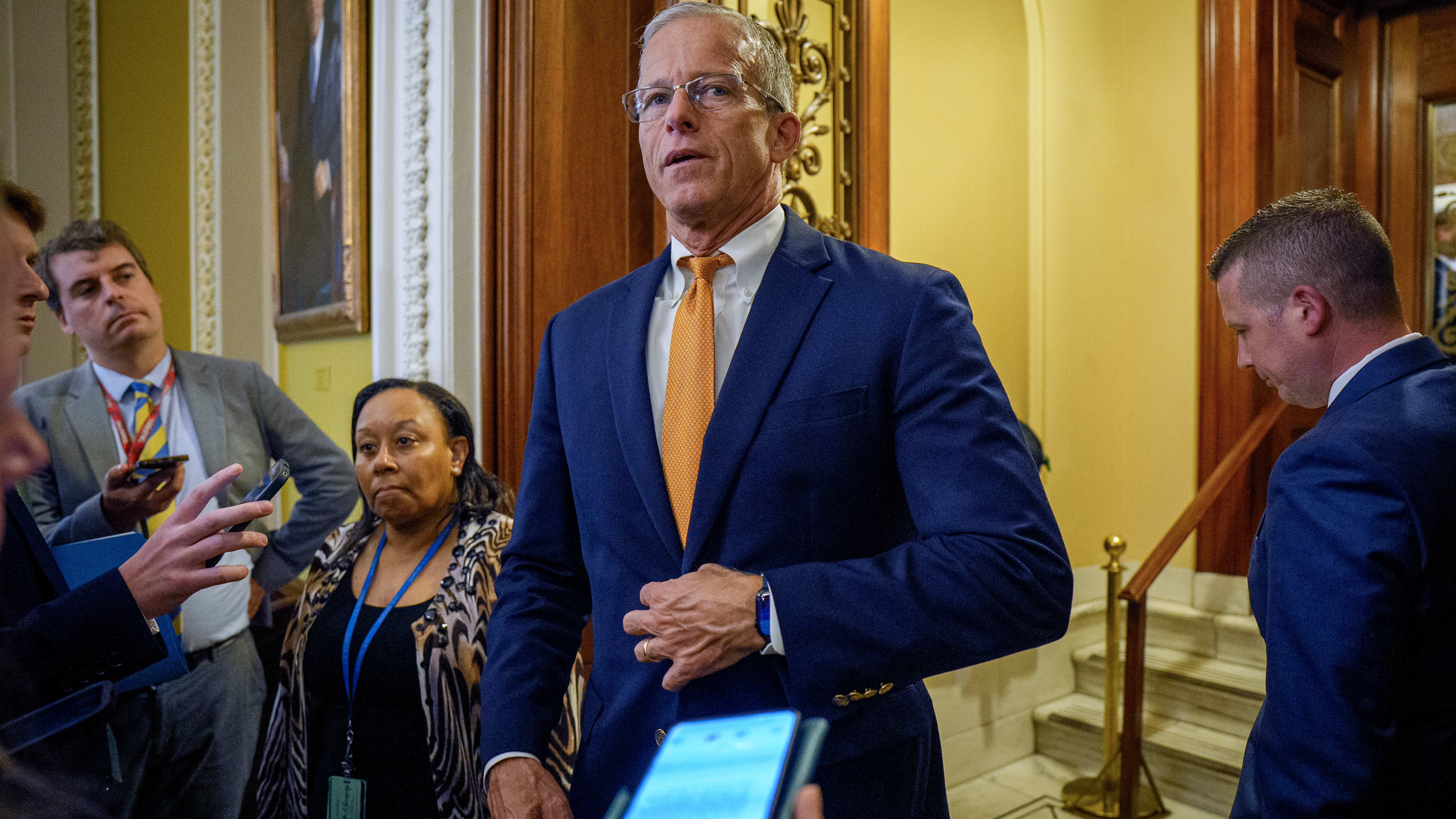
The political landscape in Washington has shifted once again as the Senate delivered a narrow blow to efforts ending the conflict with Iran. Despite gaining momentum in the House, the war powers resolution failed to clear the final hurdle, leaving the executive branch in a state of strategic limbo.
In this deep dive, we analyze the intricacies of the 49-50 vote, the shifting alliances within the Republican party, and what this stalemate signals for the future of American military engagement abroad.
📑 Table of Contents
1. The Narrow Defeat: A Breakdown of the Vote
The Senate's decision to block the House-passed war powers resolution marks a pivotal moment in recent legislative history. While the House managed to pass the measure with a notable bipartisan coalition, the transition to the Senate proved to be an insurmountable obstacle. The final tally of 49-50 highlights the deep divisions within the chamber regarding the limits of presidential military authority.
Led by Senate minority leader Chuck Schumer and Senator Andy Kim of New Jersey, Democrats forced the vote under specific procedural rules to ensure a public record on the issue. However, the lack of a majority means that the legal framework governing the conflict with Iran remains unchanged, allowing the executive branch to continue operations under current mandate.
The Procedural Hurdle
The use of specific voting mechanisms suggests that while there is a growing appetite for de-escalation, the political will is yet insufficient to dismantle what many view as a core pillar of national security policy.
2. The 200-Day Toll: Human and Strategic Costs
As the conflict passes the 200-day mark, the human cost has become a focal point for domestic critics. With 19 American service members having lost their lives during this period, the pressure on the administration has reached a fever pitch. These losses serve as a grim reminder of the stakes involved in a protracted military engagement that lacks a clear exit strategy.
Beyond the human toll, the strategic cost is also mounting. Every day the conflict continues without a definitive political resolution strains resources, morale, and diplomatic relations with regional allies. The failure of the war powers measure suggests that the status quo, despite its risks, will persist for the foreseeable future.
Strategic Stagnation
Without a legislative mandate, the US risks being trapped in a cycle of reactive escalation where every minor skirmish could lead to a broader regional war.
3. Bipartisan Shifts and the GOP Realignment

One of the most surprising aspects of this legislative battle was the emergence of new GOP support for the resolution. Historically, the Republican party has leaned toward robust military action, but a growing faction within the party is increasingly concerned about the lack of congressional oversight regarding Iran. This shift suggests a fundamental change in how the party views long-term interventions in the Middle East.
This realignment is not merely about the conflict itself, but about the principle of constitutional checks and balances. By supporting the war powers measure, these Republicans are signaling that they will not allow the executive branch to conduct prolonged operations without explicit legislative approval. However, the support was not enough to tip the scales in the Senate Senate.
The GOP Internal Divide
The internal tension within the GOP between hawks and those prioritizing congressional oversight is becoming a defining feature of modern US foreign policy debates.
4. Geopolitical Implications for the Middle East
The repercussions of the Senate's vote extend far beyond the halls of the Capitol. In the Middle East, the failure to pass the war powers measure signals that the US remains committed to its current security posture against Iran. This could embolden regional actors to continue their activities, sensing a lack of domestic pressure on the administration to de-escalate.
Regional allies are also watching this situation with keen interest. If the US cannot reach a domestic consensus on its strategy, these allies may seek alternative security arrangements, potentially altering the balance of power in a volatile region. The stalemate in Washington creates a vacuum of clarity that adversaries are quick to fill.
Regional Power Dynamics
As the conflict persists, the risk of miscalculation grows, potentially leading to an unintended escalation that neither side is fully prepared to manage.
5. The Future of US Congressional Oversight in War
The failure of this measure raises serious questions about the future of Congressional oversight in military affairs. For decades, the War Powers Act has been seen as underutilized, but the current crisis has sparked a resurgence in interest. The narrow 49-50 vote demonstrates that the legislative branch is beginning to reclaim its role in defining foreign policy goals.
Moving forward, we may see more attempts to assert congressional authority, especially if the costs of conflict continue to rise. However, until the Senate can find a majority, the executive branch will continue to hold the lead in military operations. The tension between executive power and legislative oversight remains central to the American experiment.
The Legislative Path Forward
The next few months will likely determine whether the Senate can find its footing or if it will continue to yield to executive necessity.
🔥 Subscribe to Azeem-USA for more analysis on global politics and US policy shifts.
Conclusion
The Senate's failure to pass the Iran war powers measure reflects a deeply divided nation facing a complex conflict. While the new GOP support shows a shift in perspective, the immediate reality is that the status quo remains intact.
As the conflict enters its post-200-day phase, the pressure for a clear legislative and de-escalation strategy will likely only intensify.
❓ FAQ
Why did the war powers measure fail in the Senate?
It failed by a 49-50 vote, narrowly missing the required majority.
How many American service members have died in the conflict?
19 service members have been killed in the last 200-day period.
Did any Republicans support the measure?
Yes, a new faction of the GOP supported the measure, though it was not enough to pass the Senate.
Who led the Democratic effort in the Senate?
The effort was led by Chuck Schumer and Senator Andy Kim.
What is the significance of the war powers resolution?
The resolution aimed to legally end the US military conflict with Iran and reassert congressional oversight.
Comments
Post a Comment