
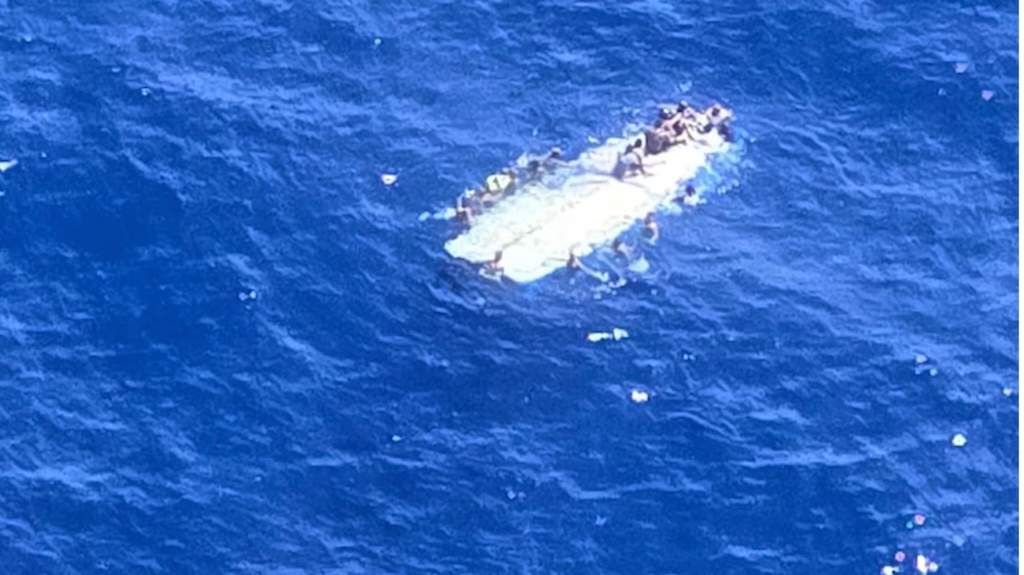
In a stark reminder of the perilous journeys undertaken by many seeking new opportunities, a tragic incident unfolded west of Puerto Rico. A makeshift boat, reportedly carrying an estimated 60 individuals, capsized in open waters, sparking a large-scale rescue operation by the U.S. Coast Guard.
This event, occurring near the uninhabited Mona Island, has resulted in the rescue of at least 40 people, with two confirmed deaths and many still unaccounted for. As rescue efforts continue, this incident underscores the urgent need for enhanced maritime safety and a deeper understanding of the factors driving such dangerous voyages.
📑 Table of Contents
1. The Incident: A Harrowing Ordeal Begins
The U.S. Coast Guard confirmed the devastating capsizing of a vessel several miles off the coast of Puerto Rico. The incident occurred late, casting a shadow over the region. The boat, described as makeshift, was carrying a significant number of people, far exceeding its safe capacity. Its capsizing plunged survivors into the open sea, initiating a desperate fight for survival.
The location, west of Puerto Rico near the remote Mona Island, presented immediate challenges for any potential rescue. The vastness of the ocean and the harsh conditions meant that time was of the essence. The discovery of the capsized vessel and its survivors marked the beginning of a critical, time-sensitive operation by maritime authorities.
The Critical Hours at Sea
Survivors endured an agonizing wait, reportedly spending more than 12 hours adrift in the water before any assistance arrived. This prolonged exposure to the elements significantly increased the risk of hypothermia and exhaustion, underscoring the severity of their ordeal.
2. Rescue Efforts Underway: The Race Against Time
Upon receiving a distress call, the U.S. Coast Guard immediately mobilized resources to the area. The initial report came from a passing boat that spotted some of the survivors. This timely intervention led to the rescue of the first four individuals, who were able to alert authorities to the larger crisis unfolding.
The Coast Guard's response involved multiple assets, including cutters and aircraft, to conduct a thorough search of the vast expanse of water. The operation was a complex and challenging undertaking, requiring coordination and perseverance in difficult conditions. The focus remained on locating as many survivors as possible and recovering those who may have perished.
Challenges in Open Water Rescue
Navigating the waters near Mona Island presents unique difficulties due to unpredictable currents and weather patterns. The remoteness of the location also adds to the logistical complexities of large-scale rescue missions, stretching resources and personnel.
3. Survivor Accounts: A Glimpse into the Ordeal
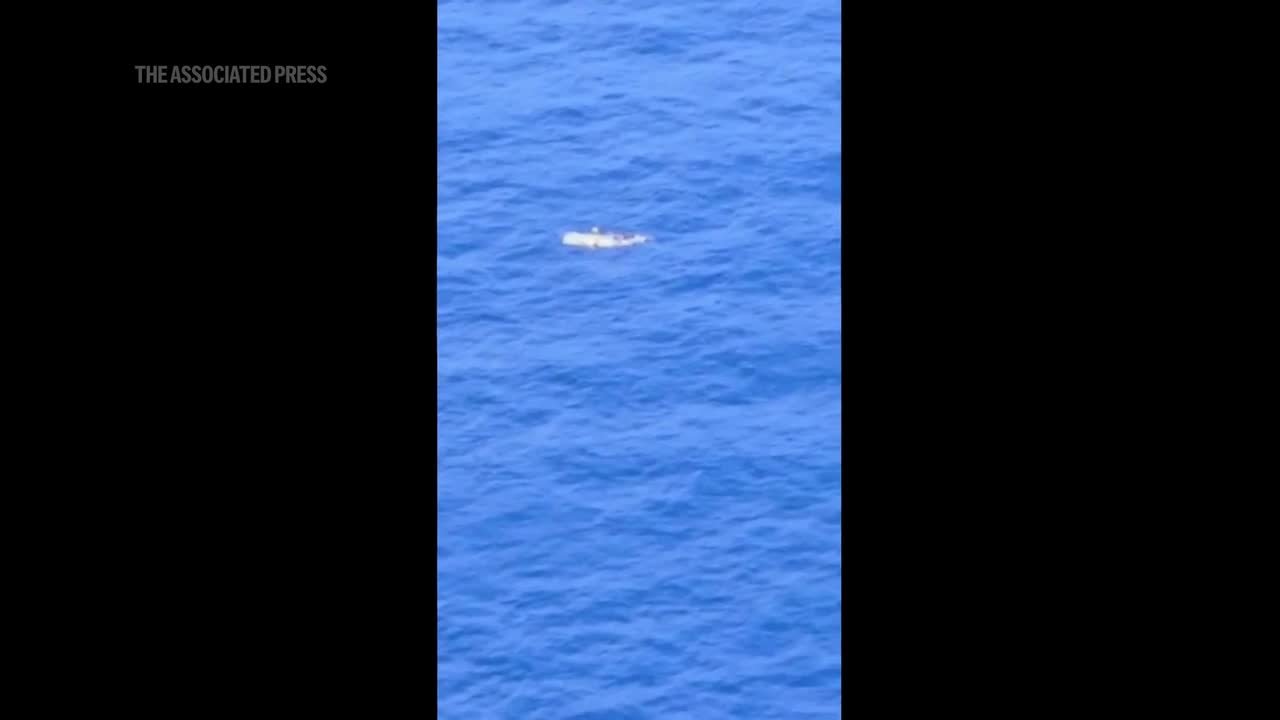
The harrowing experiences of the survivors paint a grim picture of the events that transpired. Accounts from those rescued reveal the sheer terror and desperation felt as they struggled to stay afloat. Many reported seeing others struggling, highlighting the chaotic and terrifying nature of the capsizing.
The fact that the boat was overloaded and potentially unseaworthy are recurring themes in initial reports. Survivors described the precarious conditions on board even before the capsizing, suggesting a vessel ill-equipped for the journey. The mental and physical toll on these individuals will undoubtedly be significant.
The Psychological Impact
Beyond the physical dangers, the survivors are grappling with immense psychological trauma. Witnessing such a catastrophic event and experiencing the fear of drowning leaves deep emotional scars that require long-term support and care.
4. Root Causes: Why Do These Tragedies Occur?
Incidents like the one off Puerto Rico are often symptomatic of larger issues, including desperate migration attempts driven by economic hardship, political instability, or violence in their home countries. These individuals, seeking safety and a better life, often fall prey to smugglers who prioritize profit over safety.
The use of overloaded and unseaworthy vessels is a common tactic employed by human traffickers. These makeshift boats are not designed for open sea voyages and are particularly vulnerable to adverse weather conditions, making them death traps for those on board. The allure of a new life can tragically blind individuals to the extreme risks involved.
The Role of Human Smuggling Networks
Organized criminal networks are frequently involved in facilitating these dangerous journeys. They exploit vulnerable populations, charging exorbitant fees for passage on dangerously inadequate vessels, and often abandoning their passengers once at sea or when authorities approach.
5. Looking Ahead: Prevention and Future Safety
Preventing future tragedies requires a multi-faceted approach. On a global scale, addressing the root causes of irregular migration—such as poverty, conflict, and lack of opportunity—is crucial. International cooperation and aid can help stabilize regions and reduce the desperation that forces people onto dangerous journeys.
Regionally, enhanced surveillance and interdiction efforts are necessary to disrupt human smuggling operations. However, these efforts must be balanced with humanitarian considerations, ensuring that those fleeing persecution or dire circumstances are offered safe and legal pathways. Public awareness campaigns in vulnerable communities about the dangers of irregular sea travel are also vital.
Strengthening Maritime Safety Regulations
For maritime authorities, the focus must be on robust search and rescue capabilities and stricter enforcement of maritime safety regulations. International collaboration among coast guards and naval forces in regions prone to such incidents can improve response times and coordination. Furthermore, fostering safer, legal migration channels remains a critical long-term goal.
🔥 Stay informed about critical maritime safety news and humanitarian issues by following Azeem USA.
Conclusion
The capsizing of the boat west of Puerto Rico is a profound tragedy that has resulted in loss of life and immense suffering. While the immediate focus is on the ongoing rescue and recovery efforts, this incident serves as a critical call to action.
Addressing the complex factors that drive individuals to undertake such perilous journeys, disrupting smuggling networks, and strengthening maritime safety are imperative steps. Azeem USA remains committed to shedding light on these critical issues, advocating for safer seas and more humane solutions for those seeking a better future.
❓ FAQ
What happened west of Puerto Rico?
A makeshift boat carrying an estimated 60 people capsized several miles west of Puerto Rico. At least 40 people were rescued, two were found dead, and several remain missing.
Who conducted the rescue operation?
The U.S. Coast Guard led the rescue operation, with assistance from a passing boat that initially spotted survivors.
How long were the survivors in the water?
Survivors reported spending more than 12 hours in the open water before being spotted and rescued.
What is Mona Island?
Mona Island is a small, uninhabited island located in the Mona Passage, between Puerto Rico and the Dominican Republic, known for its challenging maritime conditions.
What are the likely causes of such incidents?
These tragedies are often linked to desperate migration attempts driven by economic hardship or instability, with individuals falling victim to human smugglers using unseaworthy vessels.
Comments
Post a Comment