
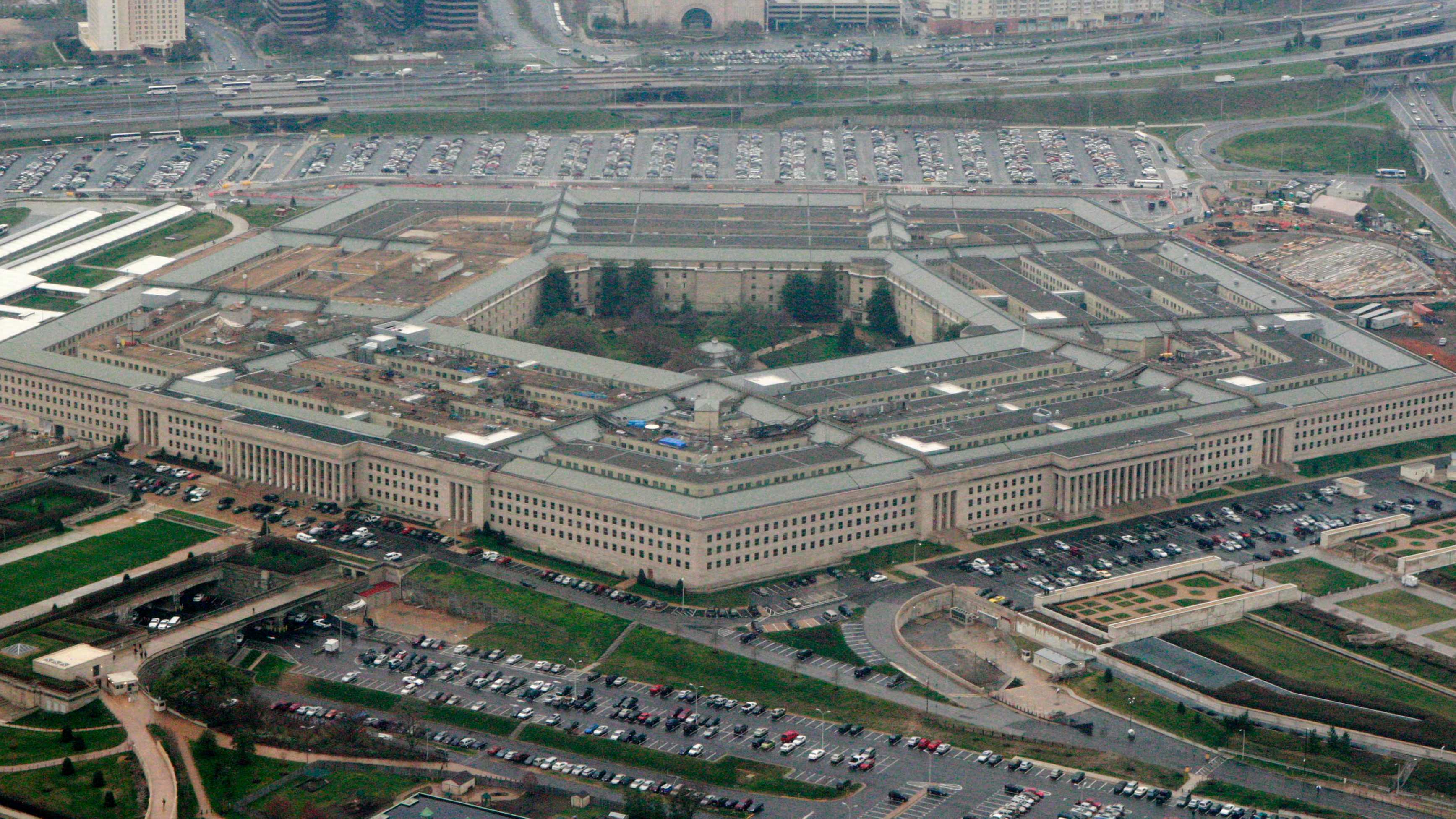
A recent, alarming incident at the heart of the U.S. defense apparatus has sent ripples of concern through the nation. The Pentagon, a symbol of national security, has suffered a major data breach, exposing sensitive information belonging to a staggering number of individuals.
This event underscores the persistent and evolving threats to digital security, particularly for entities holding vast amounts of personal and professional data. At Azeem USA, we delve into the details of this breach, its potential ramifications, and what proactive steps can be taken to mitigate the fallout.
📑 Table of Contents
1. Understanding the Scope of the Pentagon Breach
In a development that has raised significant alarms, a breach affecting the Defense Manpower Data Center (DMDC) has led to the exposure of sensitive personal data for nearly 3 million individuals. According to a U.S. defense official, the compromised database contains information on approximately 2.76 million living people and an additional 294,000 deceased individuals.
The sheer volume of affected individuals highlights the vastness of the DMDC's database and the critical nature of the information it holds. This incident is not merely a minor security lapse; it represents a substantial compromise of data that is deeply personal and, in many cases, directly linked to national security responsibilities.
The DMDC's Role in Personnel Management
The Defense Manpower Data Center is a pivotal component of the Department of Defense, responsible for maintaining comprehensive personnel records for military members, civilian employees, and their dependents. Its functions are broad, encompassing data management for various defense and federal agencies.
2. The Nature of the Exposed Data: More Than Just Names
What makes this Pentagon breach particularly concerning is the type of data that was exfiltrated. Beyond basic identifiers, the exposed files include highly sensitive information such as Social Security numbers (SSNs) and detailed insights into the specific jobs and roles performed by military and civilian personnel. This level of detail goes far beyond what is typically considered public or easily accessible information.
The inclusion of job functions and responsibilities is a critical element that elevates the potential risk. For individuals with security clearances or those involved in sensitive operations, information about their specific roles could be invaluable to adversaries seeking to exploit vulnerabilities or gain strategic advantages.
Why Social Security Numbers are a Critical Concern
Social Security numbers are considered one of the most sensitive pieces of personal information. They are frequently used for identity verification across financial institutions, government agencies, and employment records. Their exposure significantly increases the risk of identity theft and financial fraud for those affected.
3. National Security Implications: A Deeper Dive

The strategic implications of this data breach are profound and extend beyond individual privacy concerns. When sensitive data about military roles, responsibilities, and personnel is compromised, it can create significant vulnerabilities for national security. Adversaries could potentially use this information to identify key personnel, understand operational structures, or target individuals for espionage or other malicious activities.
The DMDC database is a treasure trove of information that, in the wrong hands, could be used to undermine U.S. defense capabilities. The breach serves as a stark reminder that even within highly secured environments like the Pentagon, sophisticated cyber threats continue to pose a persistent danger.
Assessing the Potential for Exploitation
The U.S. defense official emphasized the national security concerns, particularly due to the details about the jobs performed by military and civilian personnel. Understanding an individual's specific role, security clearance level, or area of expertise can provide adversaries with actionable intelligence that could be used to compromise operations or personnel.
4. Who is Affected and What Are the Risks?
The breach affects a wide spectrum of individuals connected to the U.S. military and defense apparatus. This includes active-duty service members, reservists, veterans, civilian Department of Defense employees, and even deceased individuals whose data was still retained in the system. The inclusion of deceased individuals’ data is also a concern, as it could potentially be exploited for fraudulent purposes or identity theft.
The primary risks for those affected include identity theft, financial fraud, and potentially, in cases involving highly sensitive roles, risks to personal safety and national security. The combination of SSNs and detailed job information creates a potent mix for malicious actors looking to exploit vulnerabilities.
The Long-Term Impact on Trust and Security
Beyond the immediate risks of fraud and identity theft, such breaches can erode public trust in the government's ability to protect sensitive data. For military personnel and their families, who often operate under heightened security protocols, this breach may introduce new anxieties about their personal information and the systems designed to protect it.
5. Protecting Yourself and Future Security Measures
While the full extent of the breach and its immediate aftermath are still being assessed, individuals whose data may have been compromised should take immediate steps to protect themselves. This includes closely monitoring financial accounts and credit reports for any suspicious activity. Consider placing fraud alerts or security freezes on credit reports.
The Pentagon and other government agencies are undoubtedly reviewing their security protocols in light of this incident. Future measures will likely involve enhanced cybersecurity defenses, more stringent access controls, and potentially a re-evaluation of how and where such sensitive data is stored and managed. Proactive identification and remediation of vulnerabilities will be paramount.
Proactive Steps for Individuals
For those potentially affected, vigilance is key. Regularly reviewing statements from banks, credit card companies, and other financial institutions is crucial. Additionally, staying informed about official communications from the Department of Defense regarding the breach and any recommended protective actions is advised.
🔥 Stay informed about critical national security and data privacy issues with Azeem USA.
Conclusion
The recent Pentagon data breach affecting millions of individuals serves as a critical wake-up call regarding the persistent threats to sensitive information within even the most secure governmental systems. The exposure of Social Security numbers and detailed job roles presents a complex challenge, with potential ramifications for both individual privacy and national security.
As the investigation continues and protective measures are enhanced, it is imperative for affected individuals to remain vigilant and proactive in safeguarding their personal and financial information. Azeem USA will continue to monitor developments and provide insights into the evolving landscape of data security and its impact on our nation.
❓ FAQ
What was exposed in the Pentagon data breach?
Sensitive data including Social Security numbers and details about the specific jobs performed by military and civilian personnel were exposed for nearly 3 million individuals.
How many people were affected by the breach?
Approximately 2.76 million living individuals and 294,000 deceased individuals were affected by the breach of the Defense Manpower Data Center (DMDC) database.
What are the main risks associated with this breach?
The primary risks include identity theft, financial fraud, and potential national security vulnerabilities due to the exposure of sensitive job roles and personal information.
Who is responsible for managing the breached data center?
The data was managed by the Defense Manpower Data Center (DMDC), a component of the Department of Defense.
What steps can individuals take to protect themselves?
Individuals should monitor financial accounts and credit reports, consider placing fraud alerts or security freezes, and stay informed about official guidance from defense agencies.
Comments
Post a Comment