Kristi Noem Out as Trump Envoy for Shield of the Americas 🚨 Breaking News Analysis 📸 Image Credit: cbsnews.com By Azeem-USA · Fri Oct 16 2026 English (en-US) Kristi Noem, former Homeland Security Secretary and a prominent figure in conservative politics, is no longer serving as the Trump administration's special envoy for the Shield of the Americas initiative. A State Department official confirmed the change late Thursday, stating her envoy status expired last month. This development marks a significant shift in a key diplomatic role focused on Western Hemisphere security. This analysis breaks down the facts, explores the initiative's importance, and examines the potential implications of Noem's departure from this specific post. 📑 Table of Contents Noem's Envoy Status Ends What is the Shield of the Americas? Why the Change Now? Implications for Regional Security Looking Ahead FAQ #Azeem_USA #Breakingnews #Azeem_USA #Breakin...

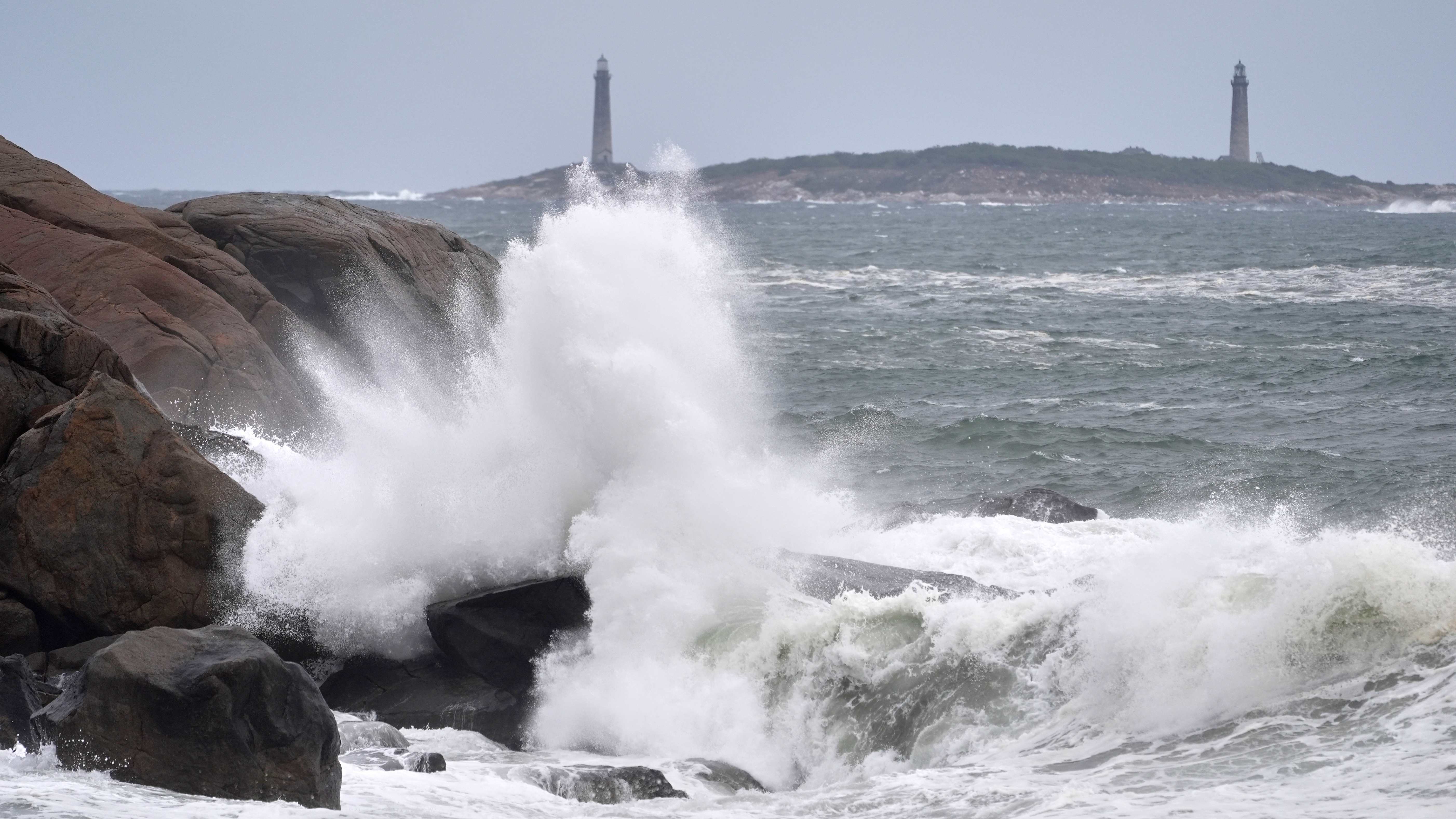
A formidable Nor'easter has made its presence known along the U.S. East Coast, bringing with it the immediate threat of significant disruption. As strong winds and heavy rains lash the region, coastal communities in New Jersey are already grappling with flooded roads and inundated homes, signaling the start of what promises to be a challenging weekend.
This powerful storm system is not a localized event; tens of millions are directly in its path. At Azeem USA, we are committed to providing timely and authoritative information to help you understand the unfolding situation and prepare for the severe conditions predicted. Stay informed as we break down the current impacts and what the National Weather Service anticipates.
📑 Table of Contents
1. The Arrival of the Nor'easter: Initial Impacts
The first major signs of the potent Nor'easter began manifesting late Friday, with coastal New Jersey communities bearing the brunt of its initial onslaught. Reports emerged of significant road closures due to inundation, transforming familiar thoroughfares into impassable waterways. This early flooding is a stark indicator of the storm's intensity and serves as a warning for the days to come.
The system, characterized by its powerful counter-clockwise rotation and the characteristic 'nor'easter' moniker, draws energy from the clash between cold continental air and warm Atlantic moisture. This meteorological cocktail is precisely what generates the extreme weather conditions now being experienced, setting the stage for further escalation.
The Science Behind the Surge
Nor'easters are notorious for their ability to rapidly intensify, often bringing hurricane-force winds and torrential rainfall or heavy snowfall, depending on the temperature profile. The specific track and strength of this storm are critical factors determining the severity of impacts across the Mid-Atlantic and New England.
2. Widespread Flooding: From Roads to Residences
The impact of the Nor'easter is being acutely felt in coastal New Jersey, where areas like Surf City have experienced substantial flooding. This is not merely an inconvenience; it represents a direct threat to property and safety. Roads becoming impassable not only isolates communities but also hampers emergency response efforts, creating a dangerous ripple effect.
The persistent heavy rains, combined with strong onshore winds, are exacerbating coastal erosion and driving seawater further inland. This phenomenon, known as storm surge, is a primary driver of coastal flooding and can lead to rapid water level rises, overwhelming natural barriers and man-made defenses alike. Homes situated in low-lying areas are particularly vulnerable to water damage and potential structural compromise.
Beyond Coastal Zones
While coastal areas are experiencing the most dramatic flooding, inland communities are not immune. Heavy rainfall can overwhelm local drainage systems and lead to flash flooding in urban and suburban areas. Riverine flooding may also develop in the aftermath of the storm as runoff collects and flows downstream.
3. Power Outages and Infrastructure Strain

As the storm intensifies, the disruption extends beyond water levels. Thousands of residents across the U.S. East Coast found themselves without power by Friday night, a direct consequence of the Nor'easter's fury. High winds are a primary culprit, toppling trees and power lines, leading to widespread outages that can last for days.
The strain on infrastructure is immense. Power grids are designed with certain tolerances, but the sustained ferocity of a major Nor'easter can exceed these limits. Furthermore, the flooding itself can damage underground electrical equipment and make it unsafe for utility crews to conduct repairs, prolonging the periods of darkness and cold for affected households.
The Economic and Social Cost
Beyond the immediate discomfort, power outages have significant economic and social ramifications. Businesses may be forced to close, impacting local economies. For residents, especially those with medical needs or who rely on electricity for heating and cooling, these outages can pose serious health risks.
4. Forecasting the Weekend: What Lies Ahead
The National Weather Service has issued stark warnings, emphasizing that the most dangerous conditions are expected to persist throughout the weekend. The Nor'easter is forecast to maintain its intensity, continuing to lash the region with strong winds, heavy precipitation, and the threat of significant coastal flooding, particularly along the Mid-Atlantic coast, with New Jersey and Delaware highlighted as areas of grave concern.
Meteorologists are closely monitoring the storm's track and evolution. Depending on its precise path and speed, areas further inland could experience prolonged periods of heavy rain, leading to potential freshwater flooding, or even significant snowfall if temperatures drop sufficiently. The combination of wind, rain, and surge creates a trifecta of hazardous conditions that demand respect and caution.
Extended Impact and Recovery
The duration of the storm's impact will be a critical factor in the scale of the damage. A prolonged event means more accumulated rainfall, higher storm surges, and extended periods of high winds. Recovery efforts will likely be complex, involving not only immediate repairs but also long-term assessments of coastal resilience and infrastructure needs.
5. Preparedness and Safety in the Face of the Storm
In the face of such a powerful and potentially destructive weather system, preparedness is paramount. Residents in affected areas are strongly advised to stay informed through official weather alerts and local emergency management agencies. Heeding evacuation orders immediately is crucial for personal safety, especially for those in flood-prone or low-lying regions.
Securing property by boarding up windows, moving outdoor items indoors, and ensuring fuel for vehicles and generators are proactive steps that can mitigate damage and enhance safety. For those experiencing power outages, having flashlights, non-perishable food, and water readily available is essential. It is vital to avoid driving through flooded roadways, as even a small amount of moving water can sweep away a vehicle.
Long-Term Resilience
While immediate safety is the priority, events like this Nor'easter also highlight the importance of long-term resilience planning. Investing in robust infrastructure, improving coastal defenses, and fostering community preparedness programs are essential strategies for mitigating the impacts of future severe weather events. Understanding the risks associated with your location and taking appropriate measures is an ongoing responsibility.
🔥 Stay informed and prioritize safety during severe weather events.
Conclusion
The Nor'easter currently impacting the East Coast serves as a potent reminder of nature's power and the critical importance of vigilance. The flooding witnessed in New Jersey, coupled with widespread power outages, underscores the immediate dangers posed by such severe weather events.
As the storm continues its destructive path, staying informed, prioritizing safety, and adhering to official guidance are the most effective ways to navigate this challenging period. The resilience of communities will be tested, but preparedness and collective action are key to weathering the storm and moving towards recovery.
❓ FAQ
What is a Nor'easter?
A Nor'easter is a type of storm system that forms along the East Coast of North America, characterized by strong northeasterly winds and significant precipitation, often bringing heavy rain or snow and coastal flooding.
Which areas are most affected by this Nor'easter?
Coastal communities in New Jersey and Delaware are experiencing significant flooding, with widespread power outages affecting thousands across the U.S. East Coast.
What are the main dangers associated with this storm?
The primary dangers include severe flooding of roads and homes, strong winds leading to power outages and falling debris, and potential storm surge along the coast.
How can I stay safe during a Nor'easter?
Stay informed through official weather alerts, heed evacuation orders, secure your property, prepare an emergency kit, and avoid driving through flooded areas.
What should I do if my power goes out?
Use flashlights instead of candles, keep refrigerators and freezers closed, have non-perishable food and water, and use generators safely outdoors and away from windows.
Comments
Post a Comment