Kristi Noem Out as Trump Envoy for Shield of the Americas 🚨 Breaking News Analysis 📸 Image Credit: cbsnews.com By Azeem-USA · Fri Oct 16 2026 English (en-US) Kristi Noem, former Homeland Security Secretary and a prominent figure in conservative politics, is no longer serving as the Trump administration's special envoy for the Shield of the Americas initiative. A State Department official confirmed the change late Thursday, stating her envoy status expired last month. This development marks a significant shift in a key diplomatic role focused on Western Hemisphere security. This analysis breaks down the facts, explores the initiative's importance, and examines the potential implications of Noem's departure from this specific post. 📑 Table of Contents Noem's Envoy Status Ends What is the Shield of the Americas? Why the Change Now? Implications for Regional Security Looking Ahead FAQ #Azeem_USA #Breakingnews #Azeem_USA #Breakin...

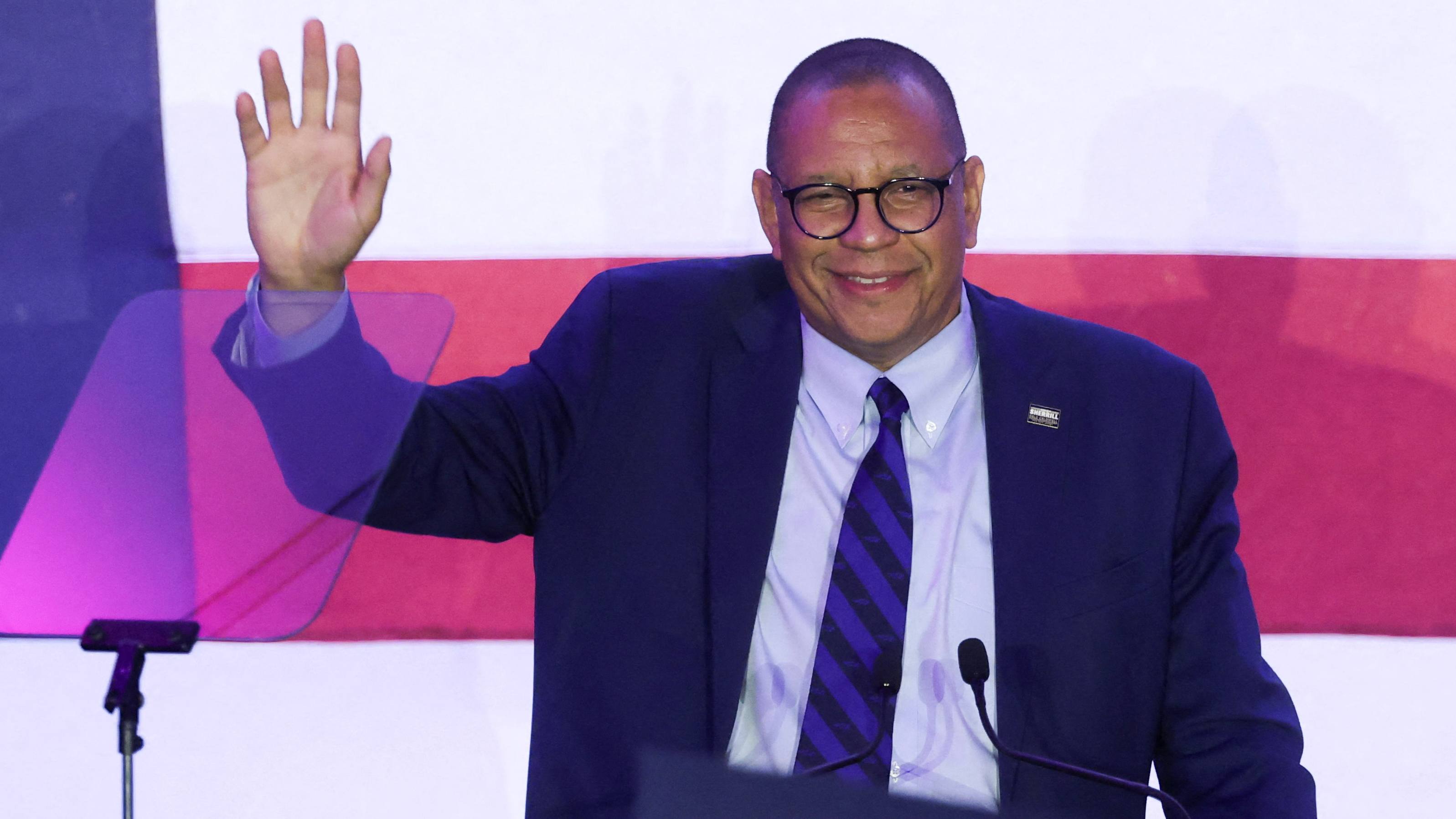
In a significant development shaking the political landscape of New Jersey, Lieutenant Governor Dale Caldwell has resigned from his post. The resignation follows the release of a critical ethics report detailing serious allegations against him.
This event raises important questions about accountability in public office and the standards expected of those in high-level positions. Azeem USA is committed to providing a clear and comprehensive overview of the situation, its origins, and its potential ramifications for the Garden State.
📑 Table of Contents
1. The Unfolding Controversy: Caldwell's Departure
The news broke on Friday, marking a swift end to Dale Caldwell's tenure as Lieutenant Governor. Governor Mikie Sherrill announced that Caldwell had submitted his resignation earlier that day, a decision that came just one day after Governor Sherrill publicly called for his stepping down.
The catalyst for this dramatic turn of events was the release of an independent investigation report. This report, commissioned to examine allegations of misconduct, concluded that Caldwell had indeed violated state ethics rules. The specifics of these violations, particularly those involving a female staffer, have cast a long shadow over his public service career.
The Allegations Detailed
Sources indicate that the ethics report detailed multiple instances of improper behavior, with a primary focus on allegations of sexual harassment directed at a female staff member. The findings suggest a pattern of conduct that falls far short of the professional and ethical standards required of a high-ranking state official.
2. Key Findings of the Ethics Investigation
The investigation, conducted by an external party, delved into the accusations leveled against Lieutenant Governor Caldwell. The report's findings were stark, pointing to violations of state ethics laws and codes of conduct. While the full report has not been made public, the summary released by the Governor's office highlighted several critical areas of concern.
Central to the investigation were allegations of sexual harassment. The report concluded that Caldwell engaged in behavior that created a hostile work environment and violated the dignity and safety of a staff member. Beyond the harassment claims, the investigation also uncovered broader ethics violations, suggesting a disregard for established protocols and professional boundaries within his office.
Beyond Sexual Harassment
It is crucial to understand that the ethics report did not solely focus on the sexual harassment allegations. The findings also encompassed other ethical breaches, which likely contributed to the severity of the conclusions and the Governor's decisive action. These broader violations could involve misuse of office, conflicts of interest, or other forms of professional misconduct that undermine public trust.
3. Governor Sherrill's Response and Next Steps

Governor Mikie Sherrill acted decisively upon receiving the investigation's findings. Her public call for Caldwell's resignation and subsequent acceptance of his submitted resignation demonstrate a commitment to upholding ethical standards within her administration.
In her statement, Governor Sherrill emphasized the importance of accountability and the need for a government that operates with integrity. She made it clear that while the investigation's findings were deeply concerning, the swift resolution through resignation was a necessary step to move forward. The Governor's office has indicated that they are reviewing the report's details to determine if further actions are warranted.
Ensuring Continuity of Government
With the Lieutenant Governor's position now vacant, attention will turn to the process of filling this role or managing responsibilities within the executive branch. New Jersey's constitution and statutes outline procedures for such vacancies, and Governor Sherrill will likely initiate steps to ensure the continued effective functioning of the state government. This may involve appointing an interim official or preparing for a formal replacement process.
4. Implications for New Jersey Governance
The resignation of a Lieutenant Governor due to ethics violations sends a strong message throughout the state government. It underscores that no position is immune from scrutiny and that allegations of misconduct will be taken seriously.
For the public, this event highlights the importance of transparency and accountability in elected and appointed offices. It serves as a reminder that leaders are entrusted with significant power and responsibility, and that this trust must be earned and maintained through ethical conduct. The incident may also prompt a broader discussion about ethics training and oversight mechanisms for state officials.
Impact on the Administration
This situation inevitably creates a leadership void and may affect the day-to-day operations and policy initiatives previously driven by the Lieutenant Governor's office. Governor Sherrill will need to manage these potential disruptions and ensure that her administration remains focused on its core objectives. The public will be watching closely to see how effectively she navigates this challenge and rebuilds confidence.
5. Upholding Public Trust: Lessons Learned
The resignation of Dale Caldwell serves as a critical case study on the importance of ethical conduct in public service. It reinforces the principle that integrity, respect, and professionalism are non-negotiable qualities for those who hold positions of authority.
For any public official, adherence to ethical guidelines is paramount. This includes fostering a workplace free from harassment and discrimination, maintaining professional boundaries, and acting with transparency and honesty. The swift response from Governor Sherrill suggests a commitment to these principles, aiming to protect the integrity of the state government and the public's faith in its institutions.
Moving Forward with Integrity
As New Jersey moves past this incident, the focus must remain on rebuilding and strengthening public trust. This involves not only addressing the immediate consequences of the resignation but also implementing proactive measures to prevent similar occurrences in the future. A renewed emphasis on ethical training, robust reporting mechanisms for misconduct, and a culture that prioritizes respect and accountability will be essential for the long-term health of the state's governance.
🔥 Stay informed on important political developments by following Azeem USA.
Conclusion
The resignation of Lieutenant Governor Dale Caldwell marks a somber moment for New Jersey politics, underscoring the critical importance of ethical conduct and accountability in public office. The findings of the ethics investigation have led to a significant leadership change, prompting a review of governmental integrity.
Moving forward, the focus for Governor Sherrill and the state of New Jersey will be on reinforcing public trust, ensuring a seamless transition in leadership, and reaffirming a commitment to the highest ethical standards. This event serves as a potent reminder that integrity must remain at the forefront of public service.
❓ FAQ
Who is Dale Caldwell?
Dale Caldwell was the Lieutenant Governor of New Jersey until his resignation on Friday.
Why did Dale Caldwell resign?
He resigned following the release of an ethics investigation report that found he violated state ethics rules, including allegations of sexual harassment towards a staffer.
Who is the current Governor of New Jersey?
The current Governor of New Jersey is Mikie Sherrill.
What were the main allegations against Caldwell?
The primary allegations included sexual harassment of a female staffer and other broader ethics violations.
What happens now that the Lieutenant Governor has resigned?
Governor Sherrill has accepted the resignation and will initiate procedures to ensure the continuity of state government, which may include appointing a replacement.
Comments
Post a Comment