Breaking: Pope Leo XIV to Leave Hospital Saturday After Cancer Surgery 🚨 Breaking News Analysis 📸 Image Credit: yahoo.com By Azeem-USA · Sat Oct 17 2026 English (en-US) Pope Leo XIV will be released from the Gemelli Isola Tiberina hospital on Saturday, a mere four days after undergoing surgery for lung cancer. This rapid departure from the clinic, announced by the Vatican, signals a remarkably swift recovery for the 71-year-old Pontiff and allows him to resume his public duties, including delivering the traditional Sunday noon blessing from a window overlooking St. Peter's Square. This analysis will delve into the details of the Pope's diagnosis and surgery, examine the significance of his quick return to public life, explore the Vatican's communication approach, and assess the potential implications for the ongoing papacy. 📑 Table of Contents Pope Leo XIV's Swift Discharge Understanding the Diagnosis and Procedure Why This Ra...

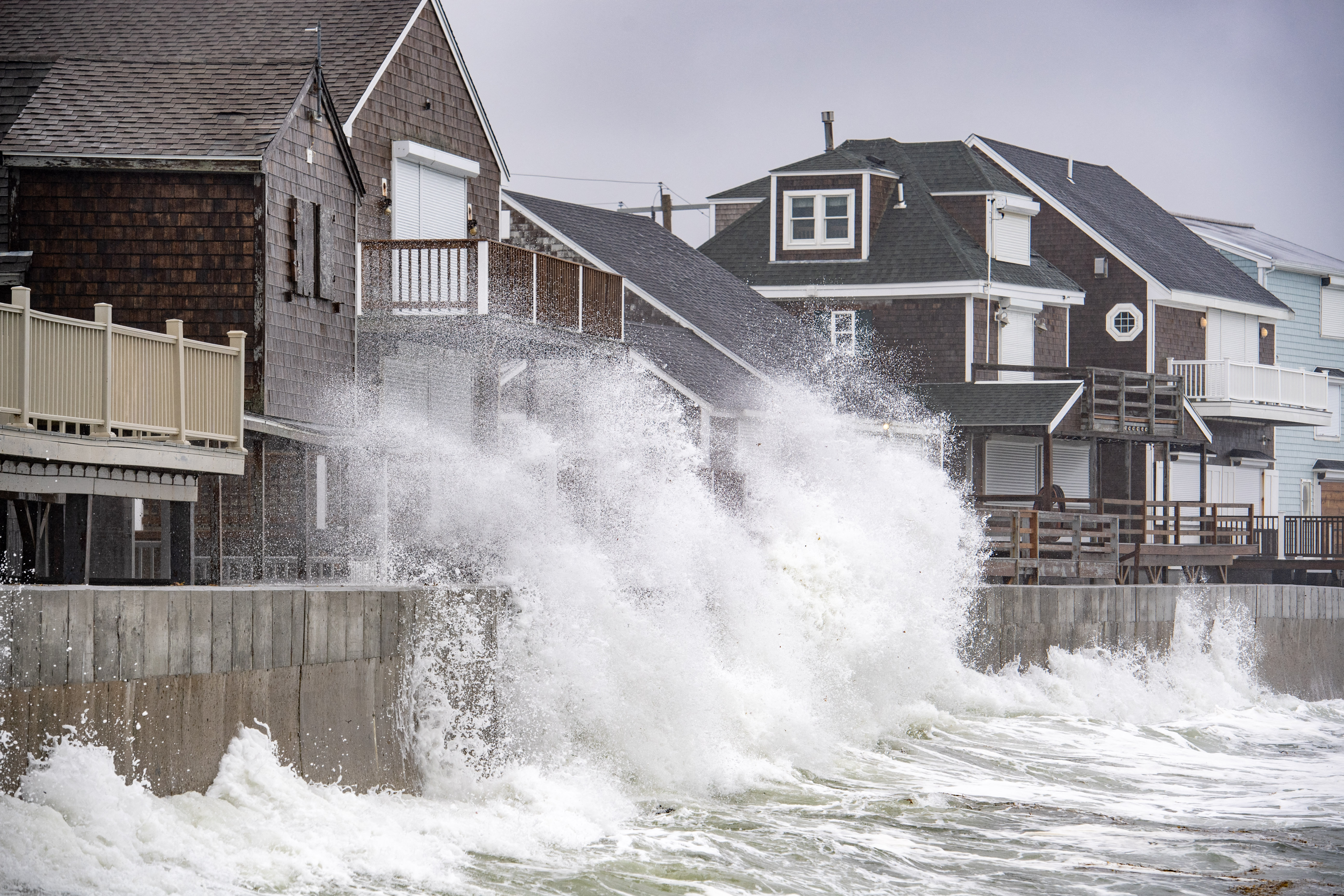
A powerful nor'easter is currently battering the East Coast, bringing a wave of environmental challenges that have caught many unprepared. From the Carolinas to southern New England, the scale of the storm is unprecedented, leaving coastal areas and critical infrastructure under immense threat.
In this comprehensive guide, we analyze the severity of the flooding in New Jersey, the emergency measures taken by officials, and what residents should expect as the storm continues to evolve.
📑 Table of Contents
1. The Arrival of the Nor'easter on the East Coast
The East Coast is witnessing a meteorological event as a potent nor'easter takes shape off the Atlantic. This storm system is not a typical rain event; it is a complex force bringing heavy rainfall, damaging winds, and significant coastal surges. The sheer magnitude of the storm has placed over 20 million people under coastal flood warnings from Virginia through to New Jersey.
Meteorologists have noted that the storm is expected to strengthen as it moves along the Mid-Atlantic coast. This intensification means that the duration and intensity of the weather events may exceed the initial forecasts, placing extreme pressure on drainage systems and low-lying coastal communities.
The Mechanics of a Storm Surge
The temperature gradient between cold continental air and the warm Gulf Stream provides the fuel for this nor'easter, resulting in the high-velocity winds that are currently pushing ocean water inland.
2. Impact on New Jersey Infrastructure and Homes
New Jersey is currently at the epicenter of the crisis, with reports emerging of roads completely inundated by water. In many coastal towns, the flooding has rendered residential streets impassable, effectively trapping residents and preventing emergency access. The speed of the water rise is particularly concerning, as it can lead to structural erosion of the roadways themselves.
Beyond the roads, the structural integrity of homes is a primary concern. When coastal flooding enters living spaces, it causes immediate and costly water-damage, but the long-term risks include mold and electrical hazards. Many homeowners in coastal New Jersey are currently watching their properties as the water levels reach critical heightmarks.
Vulnerability of Coastal Infrastructure
Older infrastructure in coastal New Jersey is particularly at risk, as many drainage systems were not designed for the volume of water modern storms delivers.
3. Emergency Declarations and Government Response

In response to the severity of the situation, state leadership has acted decisively. New Jersey Gov. Mikie Sherrill and New York Gov. Kathy Hochul have both issued emergency declarations. These declarations are critical as they allow for the mobilization of state resources, funding, and assistance for local emergency agencies that are overwhelmed.
Emergency services are working around the clock to perform rescues where necessary and to manage the flood barriers. The focus is currently on life safety, ensuring that those in high-risk zones are evacuated or advised to stay in safe upper floors until the peak of the storm passes.
The Role of Local Emergency Management
The rapid coordination between local, state, and federal agencies is vital to mitigating the long-term impact of this flooding event.
4. Power Outages and Transportation Disruptions
The impact of the nor'easter extends far beyond the water. By Saturday morning, tens of thousands of customers across the New York City area had lost power. These outages are caused by a combination of high winds knocking down lines and floodwaters shorting out electrical equipment and substations.
Transportation has also come to a near-stand. Hundreds of flights have been canceled at major hubs, and regional transit has faced significant delays or shutdowns. For those who rely on daily commuting, the storm has created a logistical nightmare that will take days to fully resolve, even after the water begins to recede.
GridGrid Stability Under Pressure
Utility companies are facing hazardous conditions while attempting to repair lines in high-wind areas, delaying the restoration of service for many residents.
5. Future Outlook and Preparedness Strategies
As the storm continues to strengthen off the Mid-Atlantic, the focus shifts from immediate survival to recovery. The data gathered from this event will be crucial for urban planning and climate resilience strategies. We must look at why certain areas failed and how infrastructure can be hardened against future storm surges of this magnitude.
This event serves as a stark reminder of the increasing frequency of intense coastal weather events. Investing in better sea walls, improved drainage systems, and resilient power grids are no longer optional but necessities for the continued viability of New Jersey and the broader East Seaboard.
Long-Term Resilience Planning
Communities must move toward nature-based solutions and hardened engineering to withstand the surge and rain of modern nor'easters.
🔥 Stay tuned to Azeem USA for real-time weather updates and in-depth regional analysis.
Conclusion
The nor'easter has left a significant mark on the East Coast, particularly in New Jersey where flooding has disrupted daily life. While the emergency declarations provide a framework for relief, the physical recovery process is only just beginning.
Staying informed and prepared remains the only way to navigate the challenges posed by increasingly volatile weather patterns.
❓ FAQ
How many people are under coastal flood warnings?
Over 20 million people from Virginia to New Jersey are currently under warnings.
Who issued the emergency declarations for the storm?
New Jersey Gov. Mikie Sherrill and New York Gov. Kathy Hochul have both issued declarations.
Why are the roads flooding in New Jersey?
The storm is bringing heavy rain combined with significant coastal surge that overwhelms existing drainage systems.
How many people lost power?
Tens of thousands of customers in the New York City area lost power by Saturday morning.
Is the storm getting stronger?
Yes, the storm is expected to strengthen as it moves off the Mid-Atlantic coast.
Comments
Post a Comment