Breaking: Trump Halts New Russia Sanctions Hours Before Deadline 🚨 Breaking News Analysis 📸 Image Credit: yahoo.com By Azeem-USA · Fri Oct 16 2026 English (en-US) President Donald Trump has signed an executive order placing a hold on a sweeping new package of sanctions against Russia, just days before the mandated deadline for their implementation. The move, which occurred Friday, directly contradicts the legislative will of Congress and cites the nebulous 'U.S. national interest' as justification. This analysis will delve into the immediate implications of Trump's decision, the background of the congressionally-approved sanctions, the potential reasons behind the pause, and the likely fallout on both domestic and international stages. 📑 Table of Contents The Shock Move: Sanctions Halted Why Congress Imposed Sanctions The 'National Interest' Justification Geopolitical Ripples and Reactions What Happens Next: A Divided Fron...

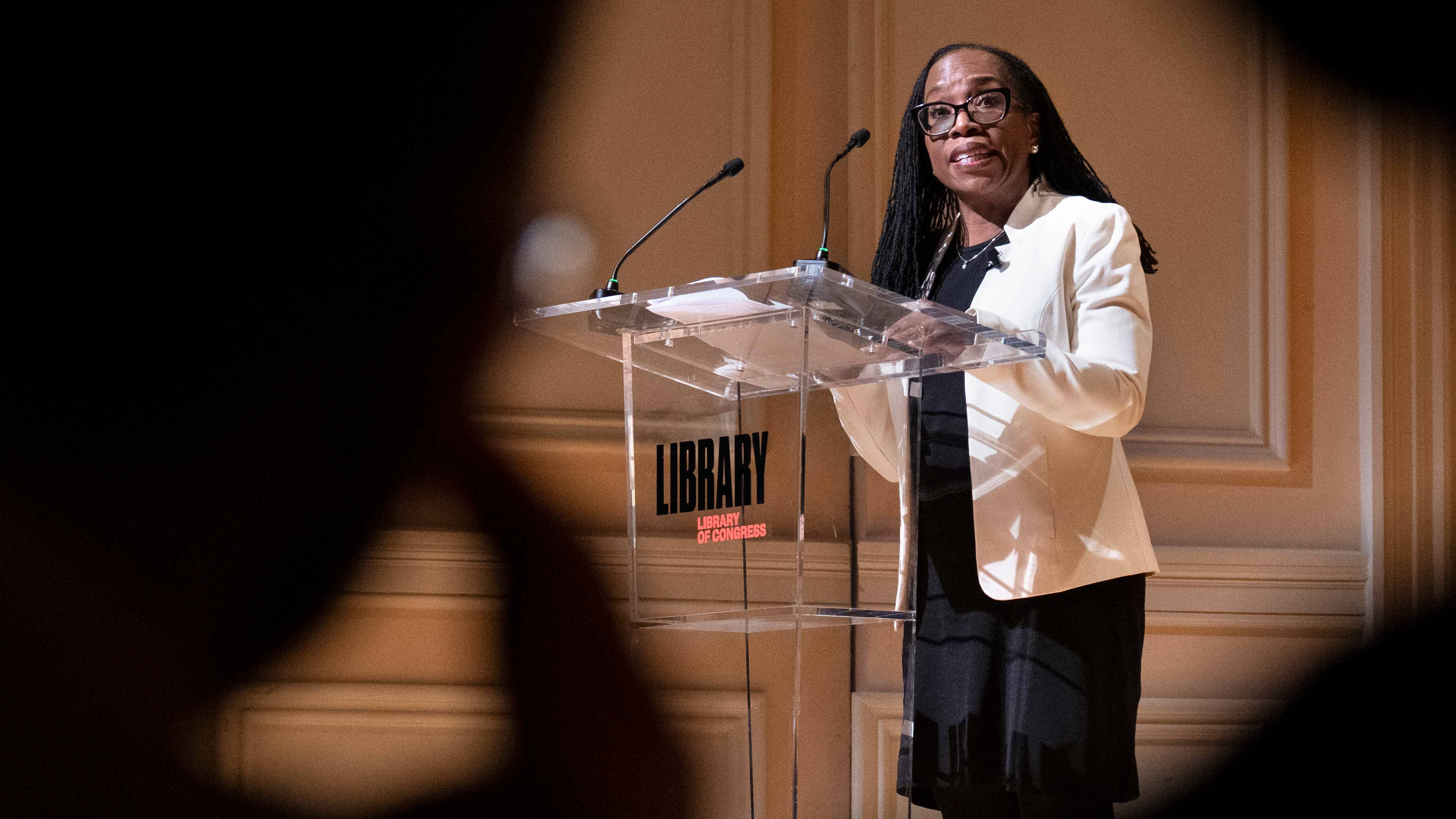
The halls of the Supreme Court are often characterized by deliberate deliberation and slow-moving legal processes. However, recent remarks by Justice Ketanji Brown Jackson have ignited a firestorm regarding the shadow docket, highlighting a shift in how the highest court handles urgent appeals.
In this deep dive, we explore the implications of Justice Jackson's critique of the emergency docket, why she claims it is becoming selective, and what this means for the future of the American judicial system.
📑 Table of Contents
1. The Rise of the Emergency Docket
The Supreme Court's emergency docket, often referred to as the shadow docket, was designed to handle urgent matters that cannot wait for the normal appellate schedule. These cases typically involve stays of execution or immediate relief where irreparable harm is imminent. However, in recent years, the volume of cases hitting this docket has increased significantly, leading to concerns that the court is making major policy without the full benefit of oral arguments or detailed opinions.
Justice Jackson's recent comments center on the idea that this mechanism has evolved beyond its original intent. While the emergency docket is necessary for true crises, its frequent application in high-stakes political and legal battles suggests a shift away from the traditional rigor of the judicial process.
A Shift in Judicial Pace
The transition from traditional review to rapid-fire emergency orders creates a transparency gap that the public and the legal community are still struggling to understand the reasoning behind consequential national decisions.
2. The 'Speed Dial' Allegation: Explained
During her speech at the University of the District of Columbia law school, Justice Jackson utilized a provocative metaphor. She cited a colleague's observation that some frequent emergency docket filers have the court on 'speed dial.' This implies that certain legal entities or high-profile litigants receive a level of responsiveness and attention that the average citizen or smaller organization does not access.
The concern is not just about the speed of the court, but the perceived inconsistency of that speed. If certain parties can consistently bypass the standard queue to obtain immediate intervention, it raises fundamental questions about whether the court's resources are being distributed equally.
The Disparity in Legal Access
When the court appears to be more accessible to specific litigants, it risks creating a two-tiered system of justice where influence and resources dictate one's ability to navigate the emergency docket.
3. Selective Justice and Privileged Litigants

Jackson argued that requests for immediate intervention cannot become a 'special avenue that certain privileged litigants can use selectively.' This critique strikes at the heart of the perceived bias in modern litigation. High-profile administrations and large corporations often have the legal infrastructure to constantly utilize the emergency docket to halt lower court rulings before they can even be fully implemented.
While Jackson did not explicitly name the Trump administration in her remarks, the context of recent legal battles involving executive power and election challenges makes the subject clear. The argument is that the selective use of the docket serves as a tool for political maneuvering rather than a neutral judicial necessity.
The Danger of Selective Intervention
Selective intervention undermines the perception of the court as an impartial arbiter, potentially making it look like a reactive body serving those with the most resources to file.
4. Implications for Judicial Precedent
One of the most significant risks posed by the expanding emergency docket is the lack of clear precedent. When the court intervenes via summary order without a written opinion, it leaves lower courts in a vacuum regarding how to handle similar cases. This creates a legal environment where the rules of the game are dictated by sudden shifts rather than established legal doctrine.
Furthermore, the lack of oral arguments means that the justices cannot test the theories of counsel thoroughly in the emergency process. This speed favors those over depth and caution, potentially leading to errors or unforeseen legal consequences that have long-term effects on the American legal landscape.
Erosion of Legal Clarity
Without detailed written justifications for emergency interventions, the law becomes a patchwork of orders that make it difficult for lawyers and the public to predict the outcome of future disputes.
5. The Future of Supreme Court Transparency
Justice Jackson's remarks are part of a broader movement seeking reform in how the Supreme Court operates. There is a growing demand for the court to provide more transparency in its shadow docket decisions, including requiring written explanations for emergency stays. Critics argue that without these changes, the public trust in the court's impartiality will continue to erode.
As we move forward, the pressure on the court to balance speed with fairness and thorough judicial deliberation will only increase. If the court continues to allow a 'speed dial' culture for privileged litigants, the legitimacy of the entire judicial process may be called into question in an already increasingly polarized political climate.
The Path Toward Reform
The debate over the emergency docket is just the beginning of a larger conversation about the role of the Supreme Court in a modern democratic society.
🔥 Subscribe to Azeem USA for more deep analysis on legal trends and Supreme Court developments.
Conclusion
Justice Jackson's critique of the emergency docket highlights a deep-seated tension within the Supreme Court. By pointing out the 'speed dial' access of privileged litigants, she is calling for a return to consistency and transparency in how justice is administered.
As the legal landscape continues to evolve, the court will face increasing pressure to ensure that its processes serve all litigants, not just those with the most significant resources.
❓ FAQ
What is the 'shadow docket'?
The shadow docket refers to the Supreme Court's emergency docket, where cases are decided quickly and often without full briefing or oral argument.
Why did Justice Jackson use the term 'speed dial'?
She used it to suggest that certain high-profile litigants get faster and more consistent attention from the court than others.
Is the emergency docket illegal?
No, it is a legal part of the court's procedure, but critics argue its current use is overextended and lacks transparency.
What are the risks of rapid intervention?
The risks include a lack of legal precedent, potential judicial errors, and the perception of bias or favoritism.
Did Jackson mention Trump specifically?
She did not mention him by name, but the context of recent legal cases implied his administration.
Comments
Post a Comment